Your guide to autumn planting
Autumn might feel like the garden is beginning to slow down, but when it comes to planting, it is one of the most useful times of the year.
The soil is still holding onto warmth from summer, while cooler days and more regular rainfall mean newly planted roots are under less pressure to support lots of fresh growth above ground. This gives many plants valuable time to settle in and start developing their root systems before spring arrives.
That head start is becoming increasingly useful. UK summers are generally getting warmer, with many of our warmest summers occurring in recent decades. Getting suitable plants established during autumn means they can enter their first full growing season with roots already beginning to spread into the surrounding soil, rather than trying to establish during hot, dry weather.
There are a few simple rules to remember. Avoid planting when soil is frozen or waterlogged and always consider whether the plant is suitable for the conditions in your garden.
So while spring might get most of the attention, a little planting now can make a big difference to the garden you enjoy next year.
Spring bulbs, a little hope for next year
Few gardening jobs offer quite as much reward for such little effort as planting spring-flowering bulbs.
In autumn, you are planting something that will stay hidden below ground for months. Then, just when winter feels as though it has gone on long enough, the first shoots begin to appear.
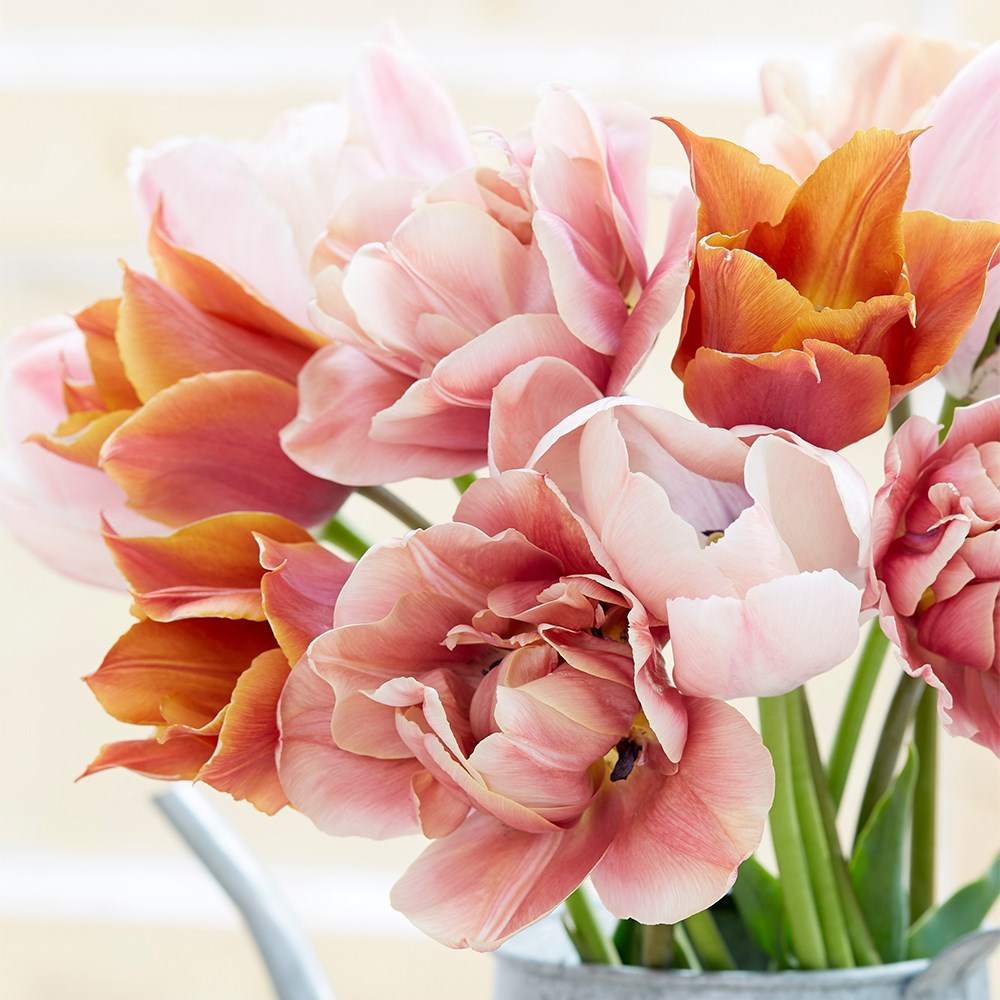
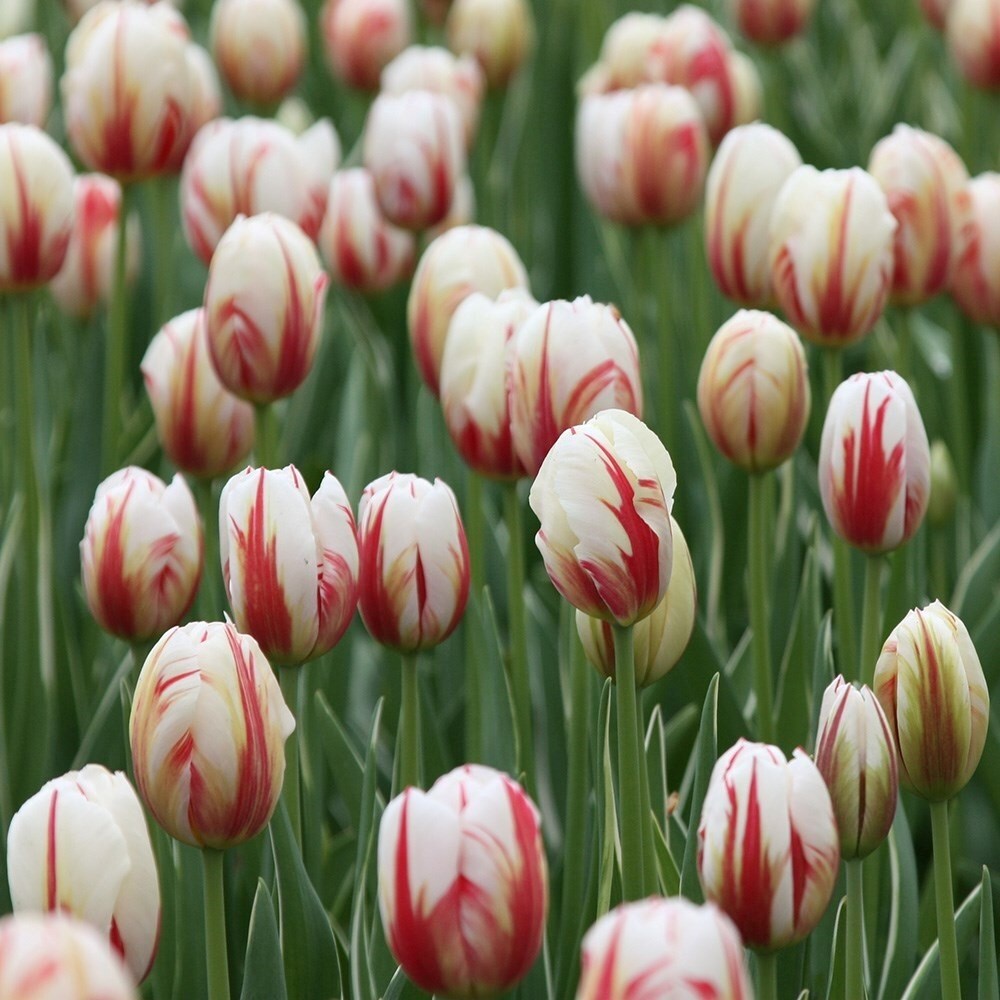
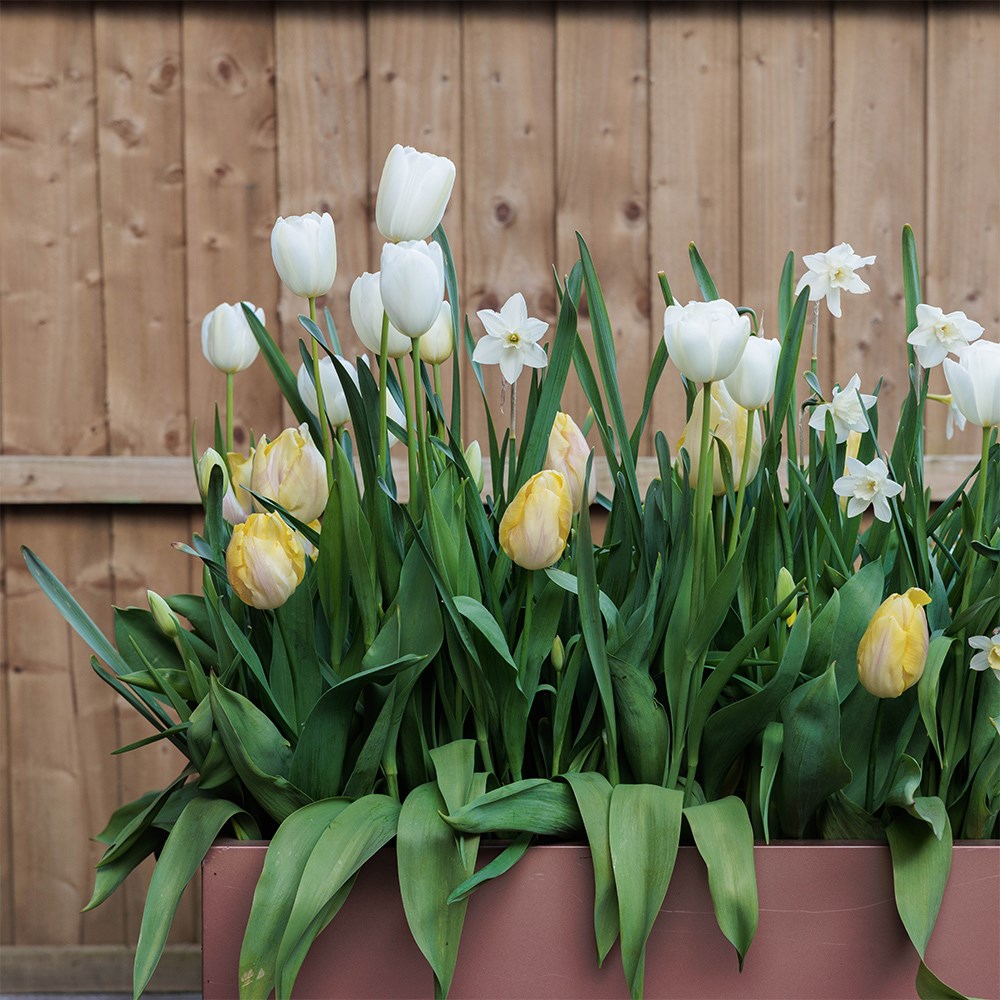
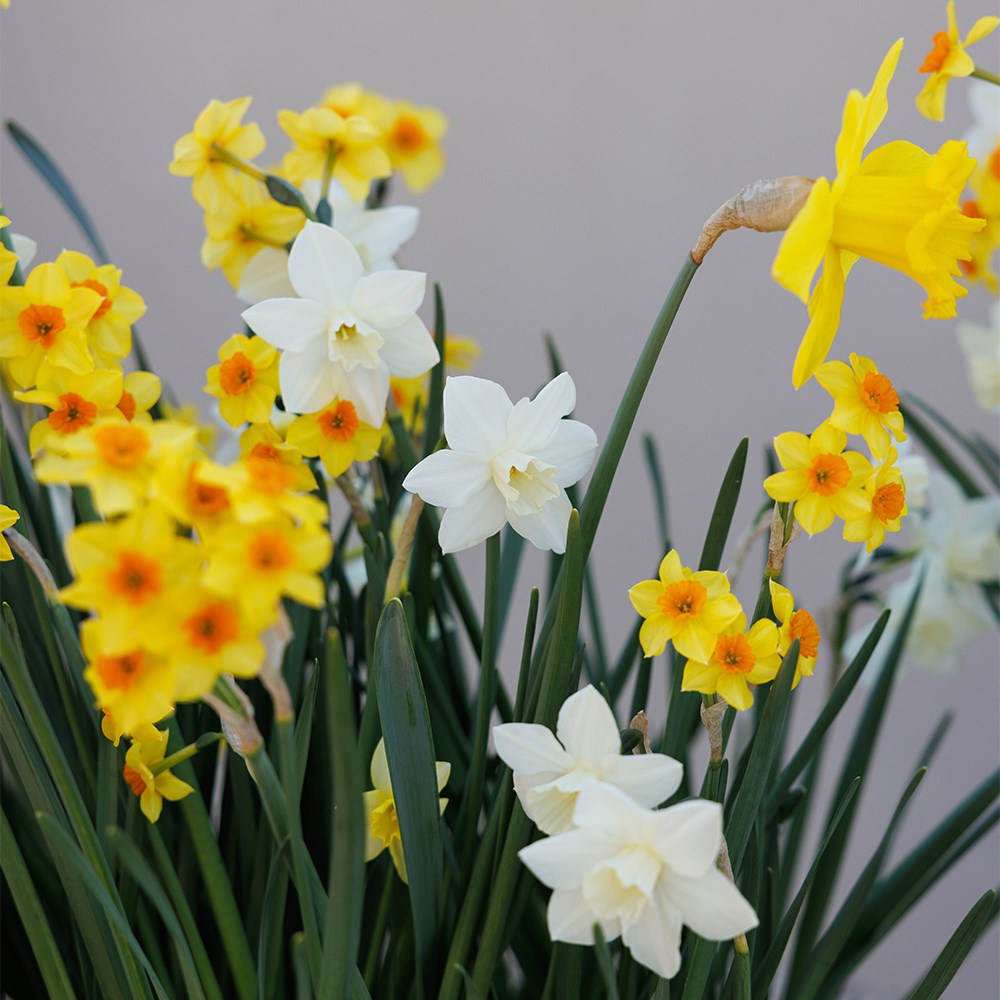
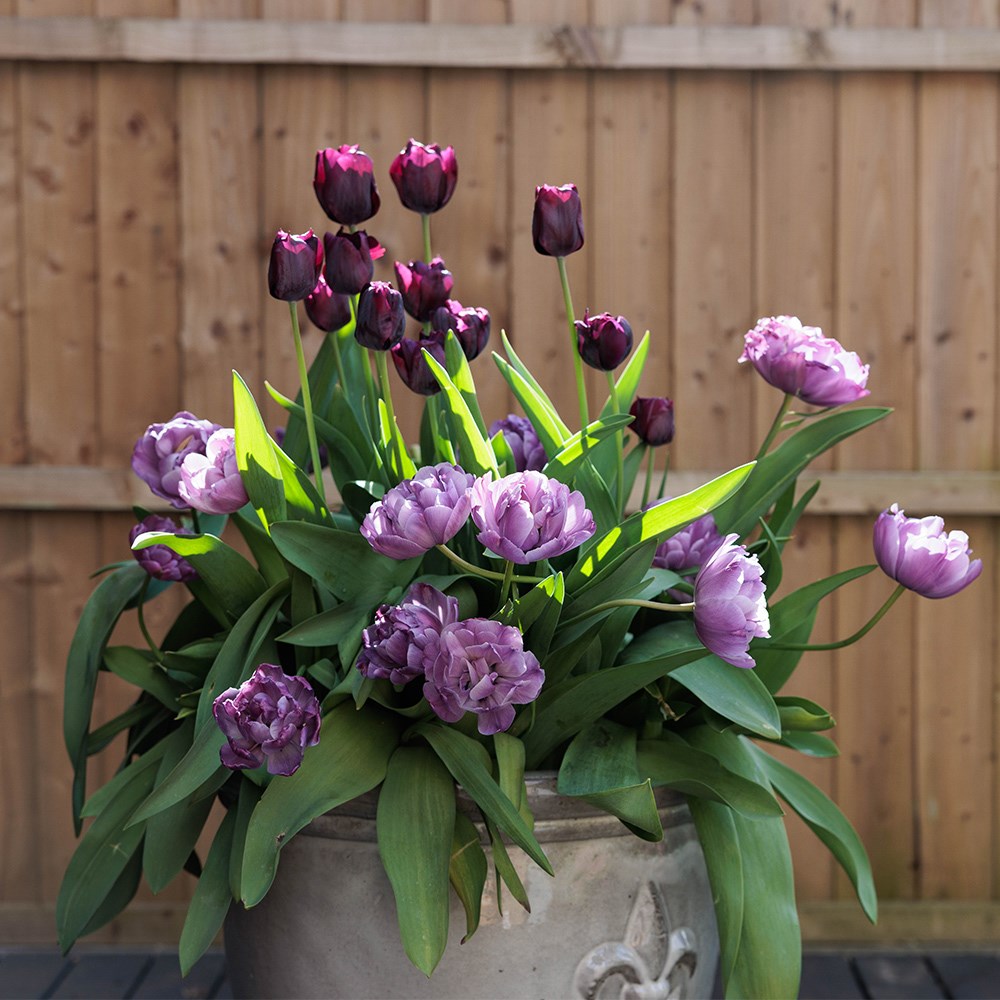
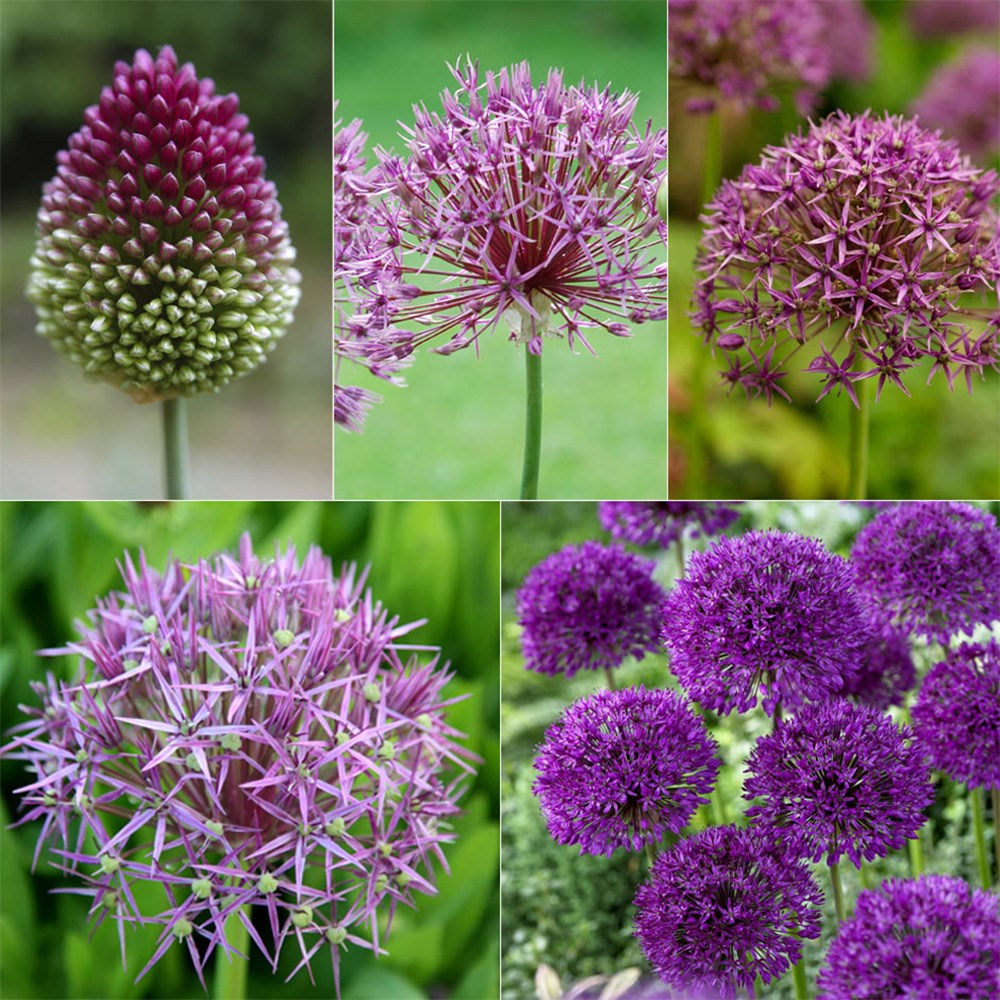
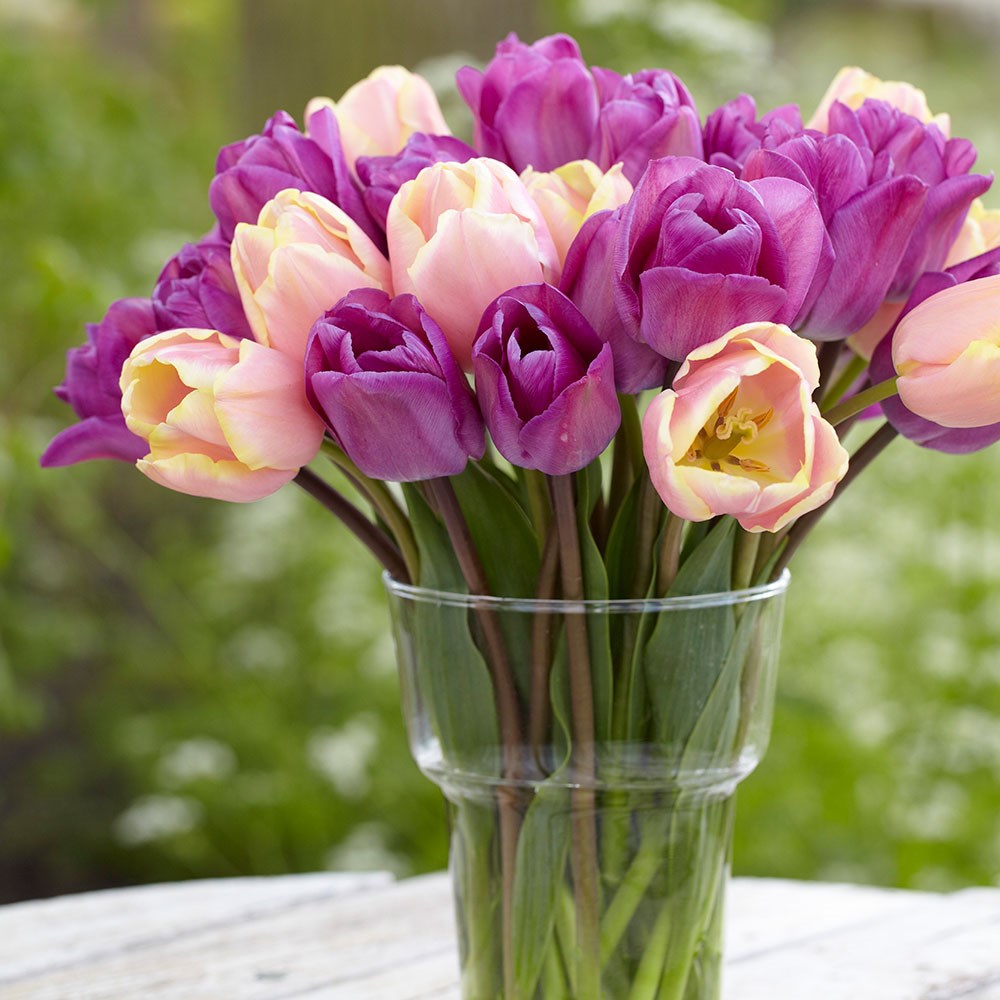
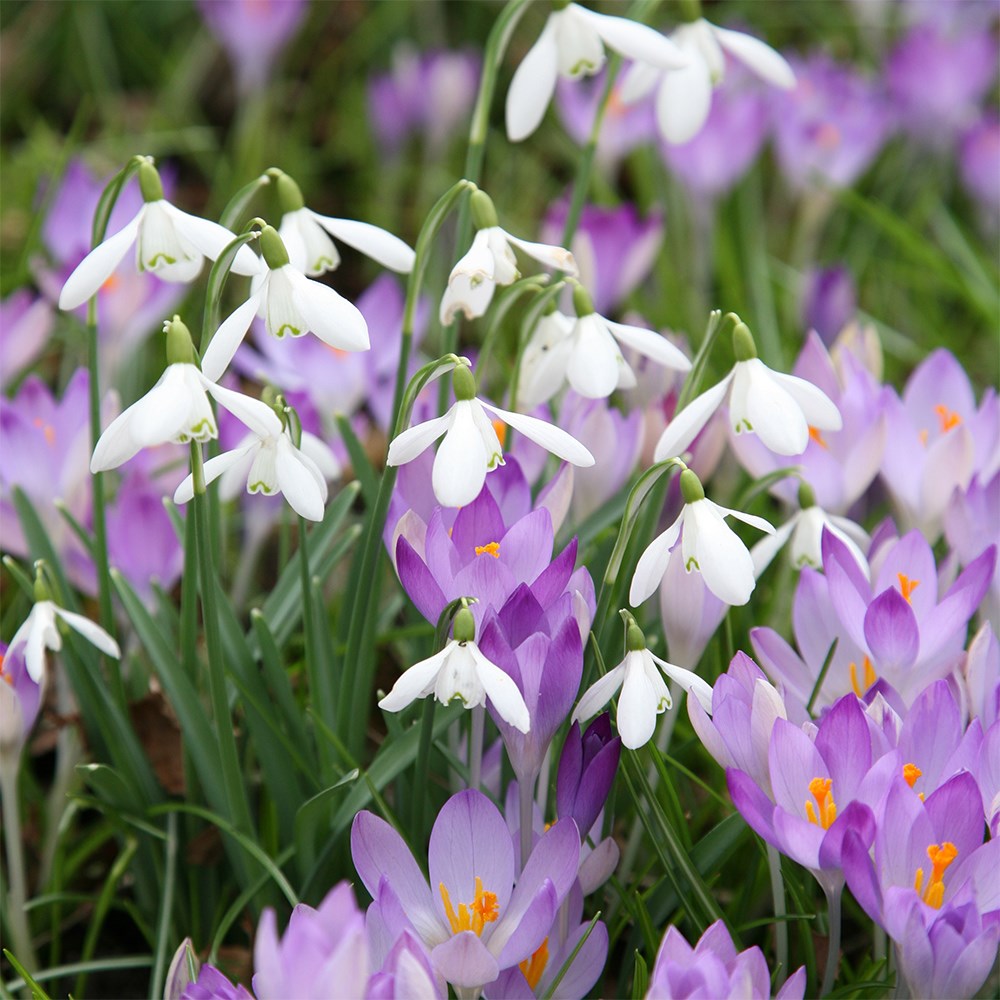
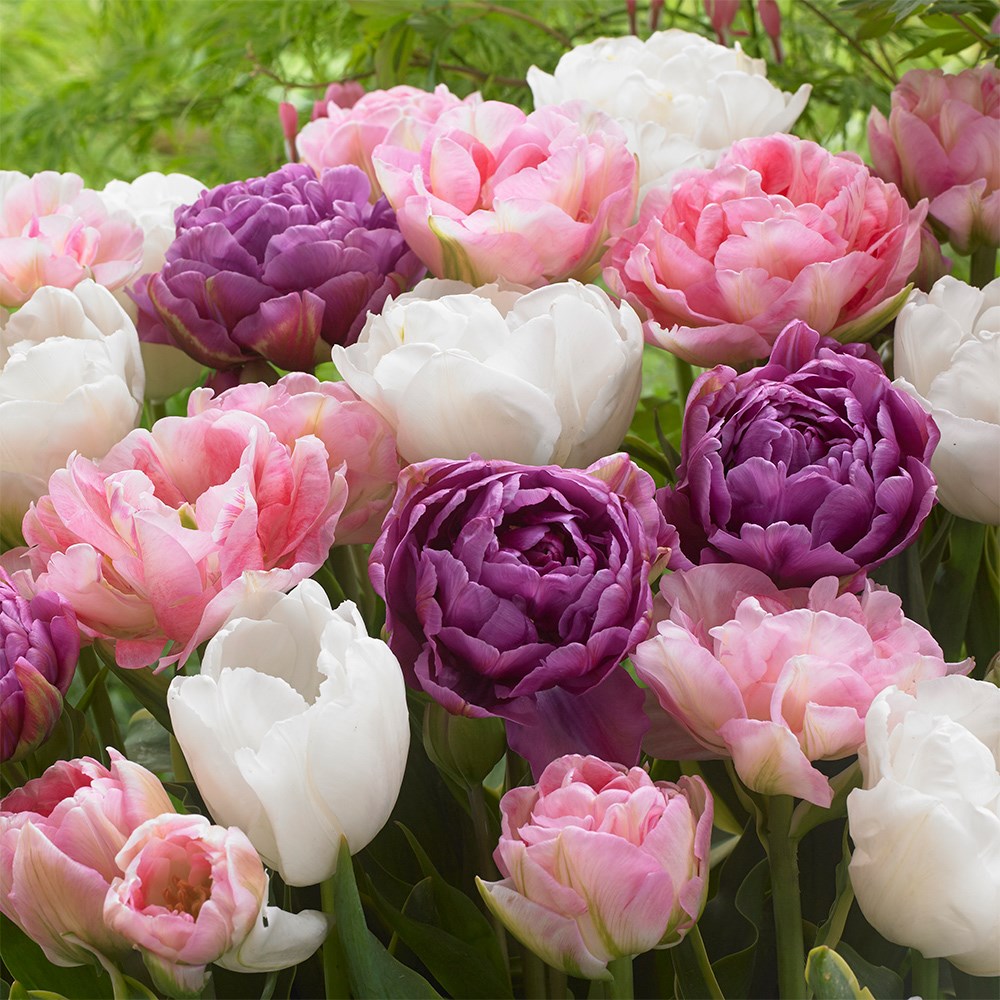
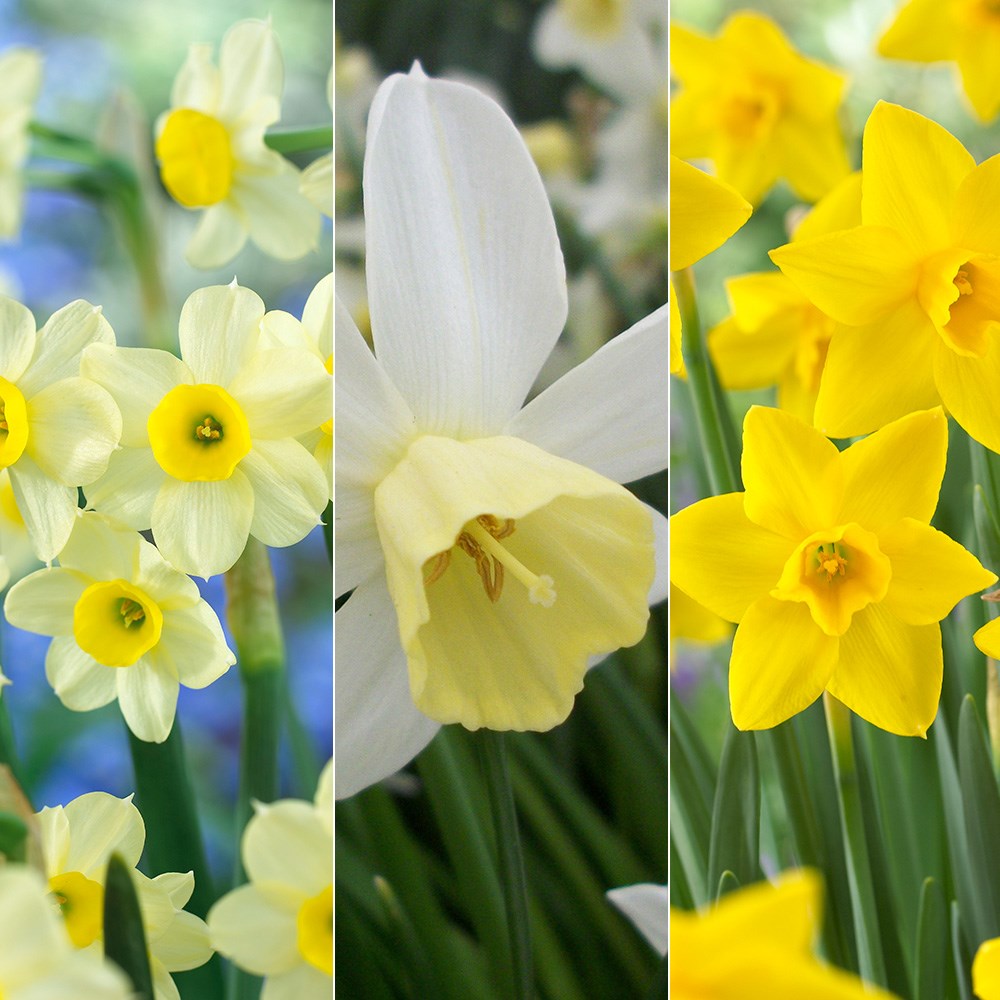
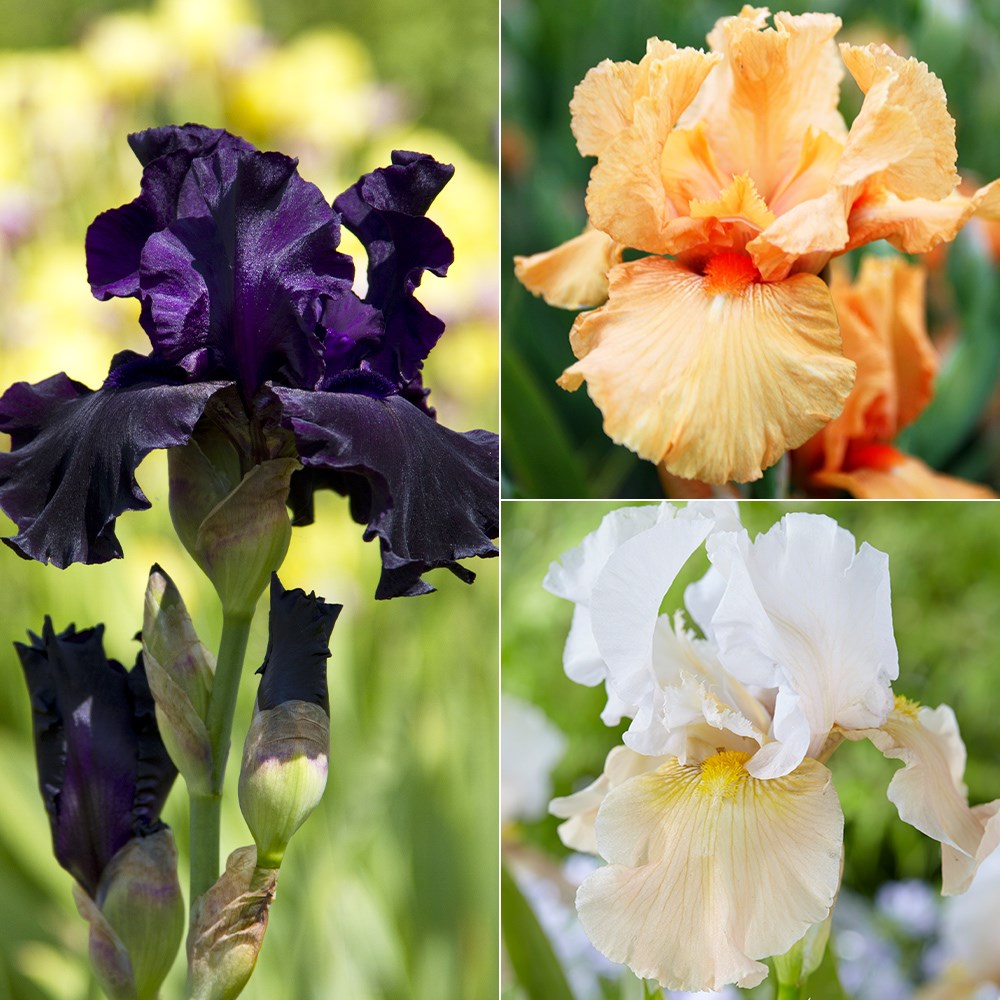
Daffodils, tulips and alliums can fill beds, borders and containers with colour from early spring onwards, and planting different varieties can help create a display that continues for weeks.
As a general guide, most bulbs should be planted at around two to three times their own depth, with the pointed end facing upwards. Grouping several bulbs together rather than planting them individually will usually create a much stronger display.
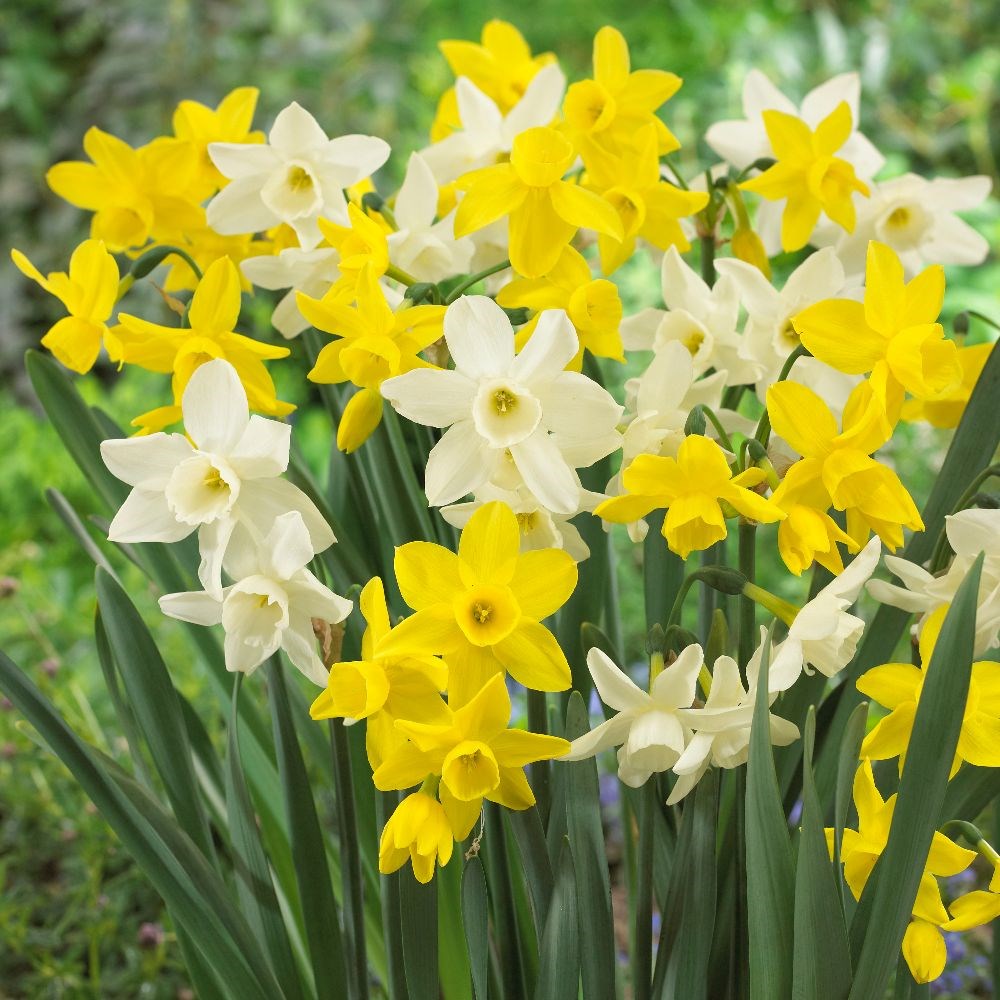
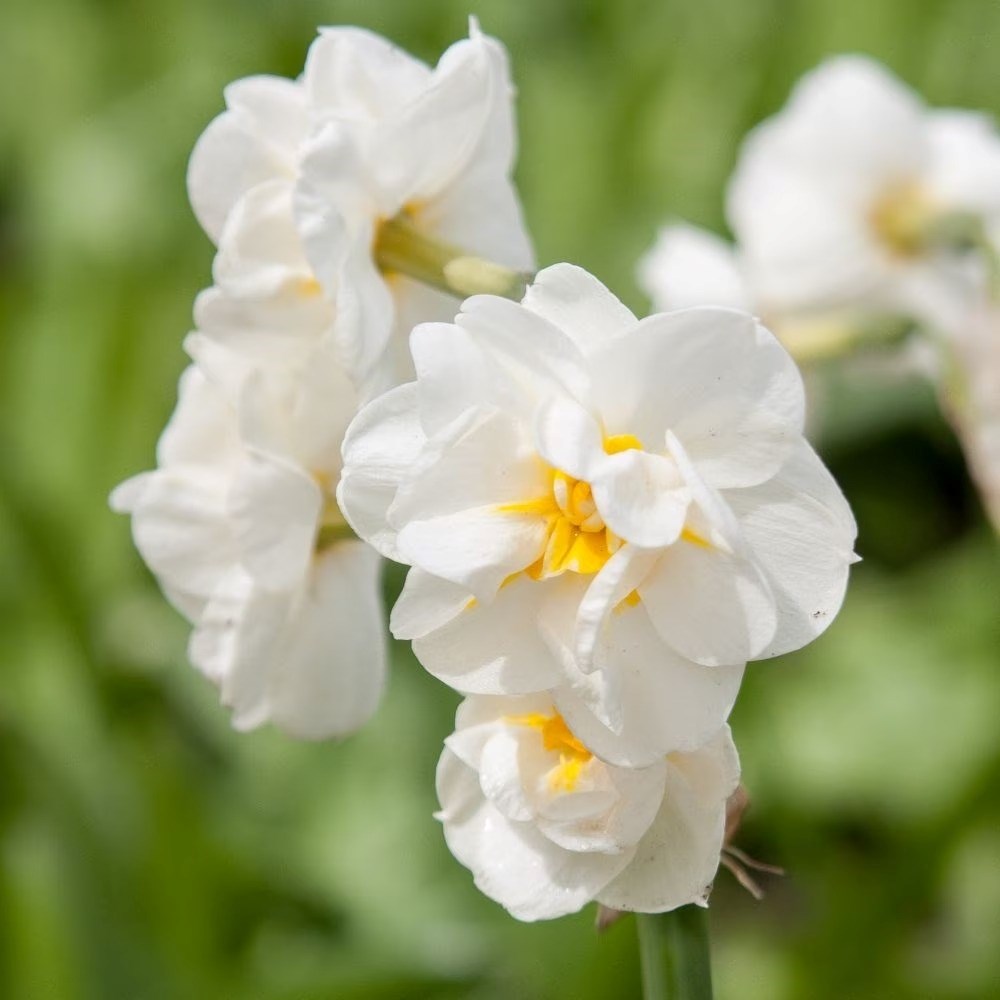
Daffodils are best planted in early autumn, ideally around September. Reliable and easy to grow, they can be planted through borders, beneath deciduous trees, in lawns or in pots.
Alliums are another great autumn choice. Their distinctive flower heads rise above borders in late spring and early summer and work particularly well planted among perennials and ornamental grasses. Plant allium bulbs in early to mid autumn in a sunny position with free-draining soil.
Tulips can wait a little longer. November is a good time to get them into the ground or containers, ready for their spring display.
Autumn planting tip
Think about what is already growing in your garden. Bulbs can be tucked between established perennials and shrubs, bringing colour early in the year before the rest of the border reaches its peak.
Secure your spring display
Plant trees for the future
Planting a tree is an investment in your garden for years to come, and autumn is one of the best opportunities to get one established.
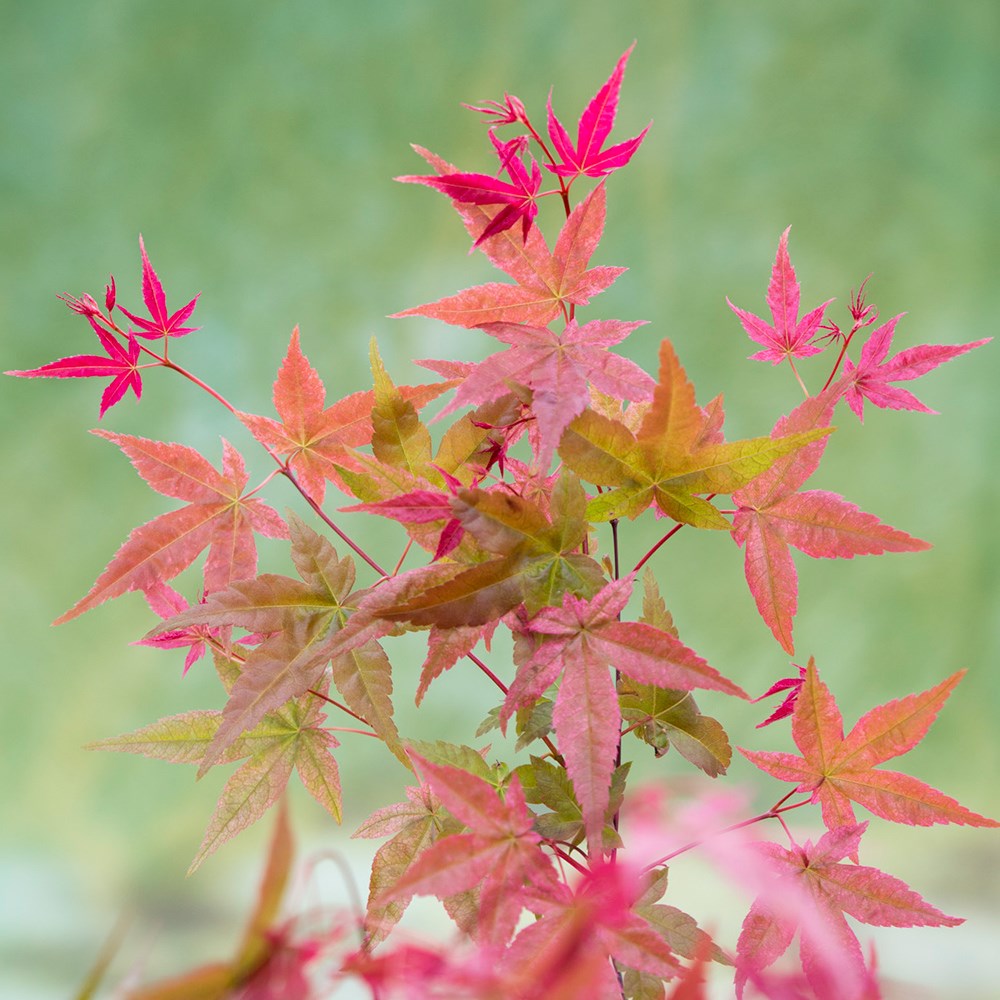
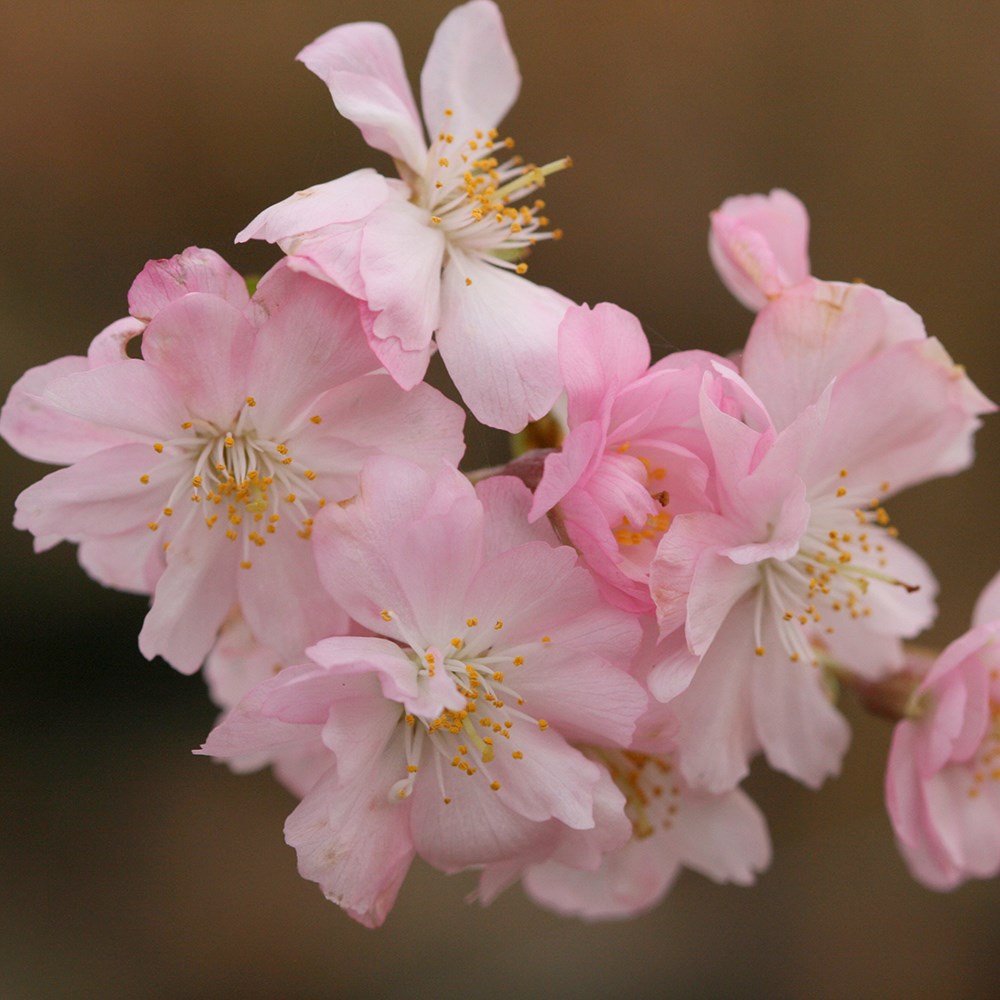
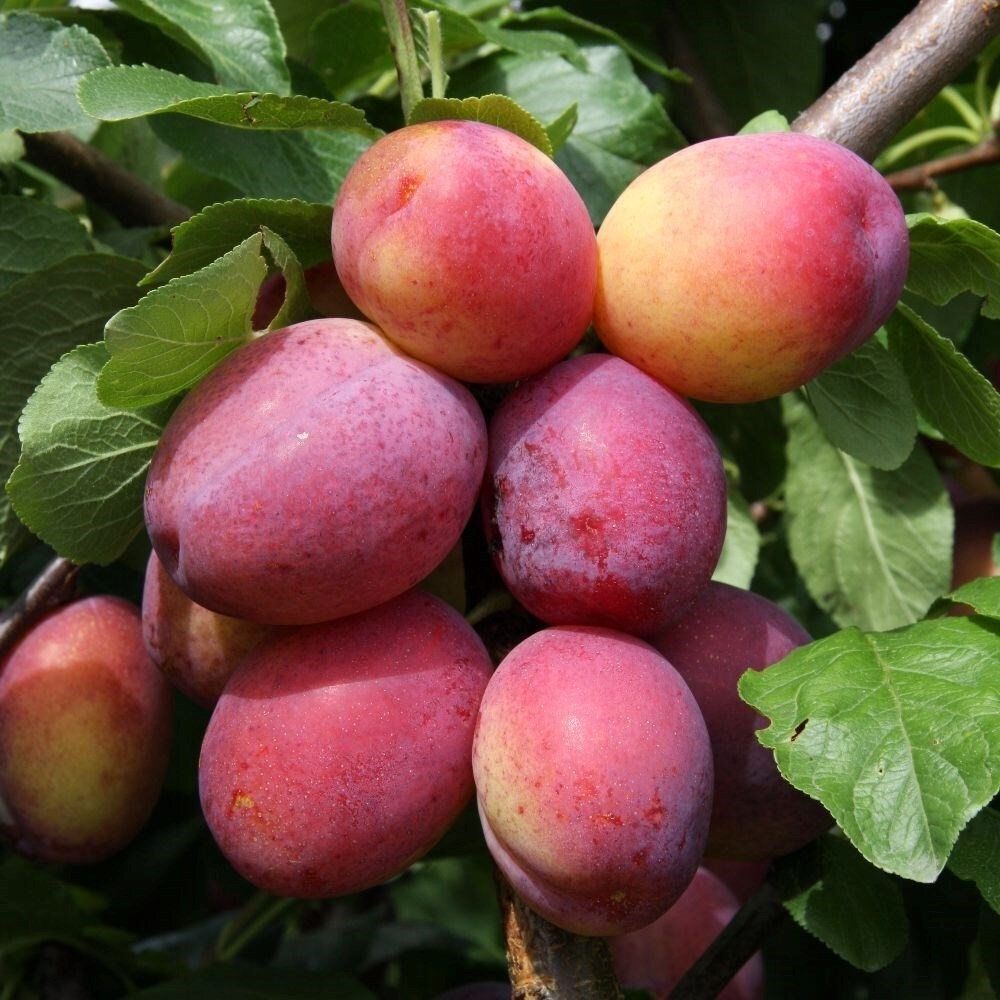
Whether you are adding an ornamental tree for blossom and autumn colour, creating privacy or planting a fruit tree, getting it into the ground from autumn onwards gives the roots time to begin establishing before the demands of spring and summer.
Potted trees can technically be planted throughout much of the year, provided conditions are suitable, but autumn and winter planting can make their first few months easier. The cooler weather reduces water loss, while the surrounding soil can remain naturally moist for longer.
Autumn also marks the beginning of the bare-root season. Bare-root trees are lifted from the ground while dormant and supplied without a container of compost around their roots. They are generally available from late autumn through winter and should be planted as soon as possible after they arrive, provided the ground is not frozen or waterlogged.
The same principle applies whether you choose bare-root or potted. Autumn planting gives a tree the chance to concentrate on what is happening below the soil before it needs to put energy into leaves, flowers and fresh growth next year.
Shrubs, the backbone of the border
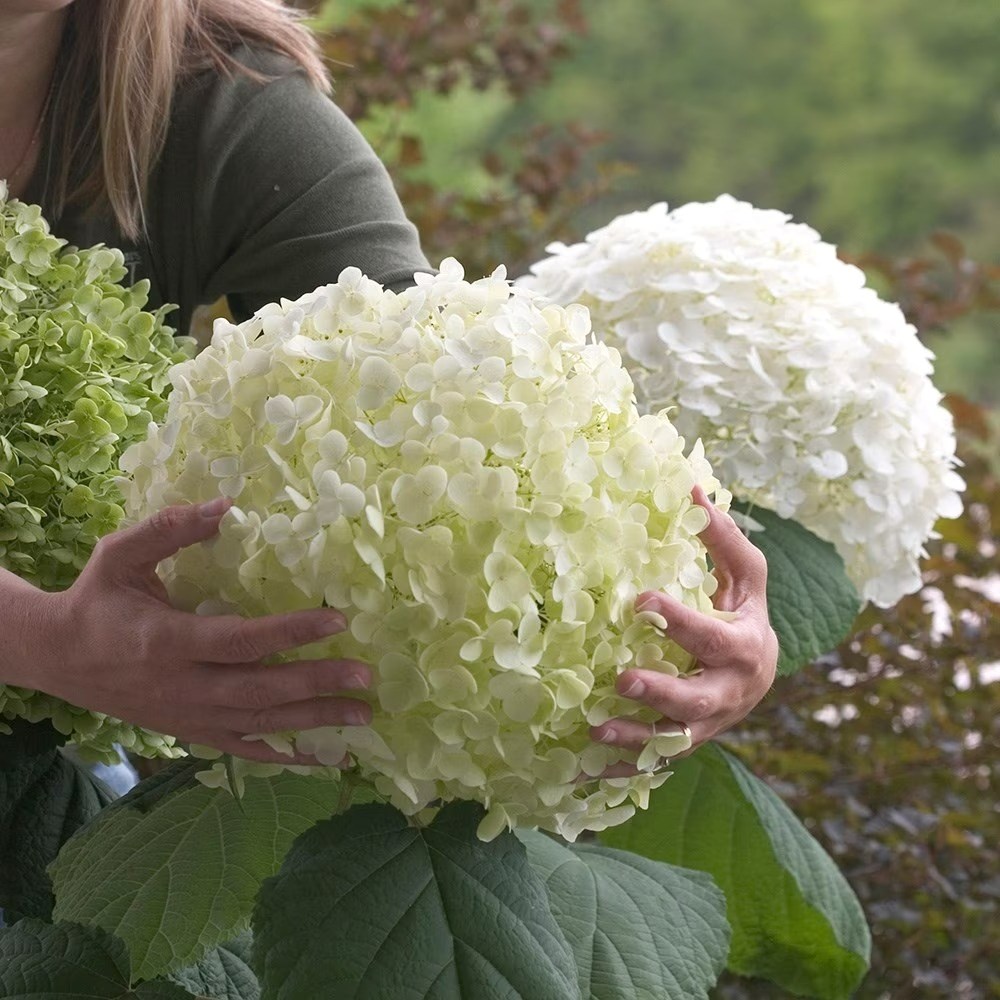
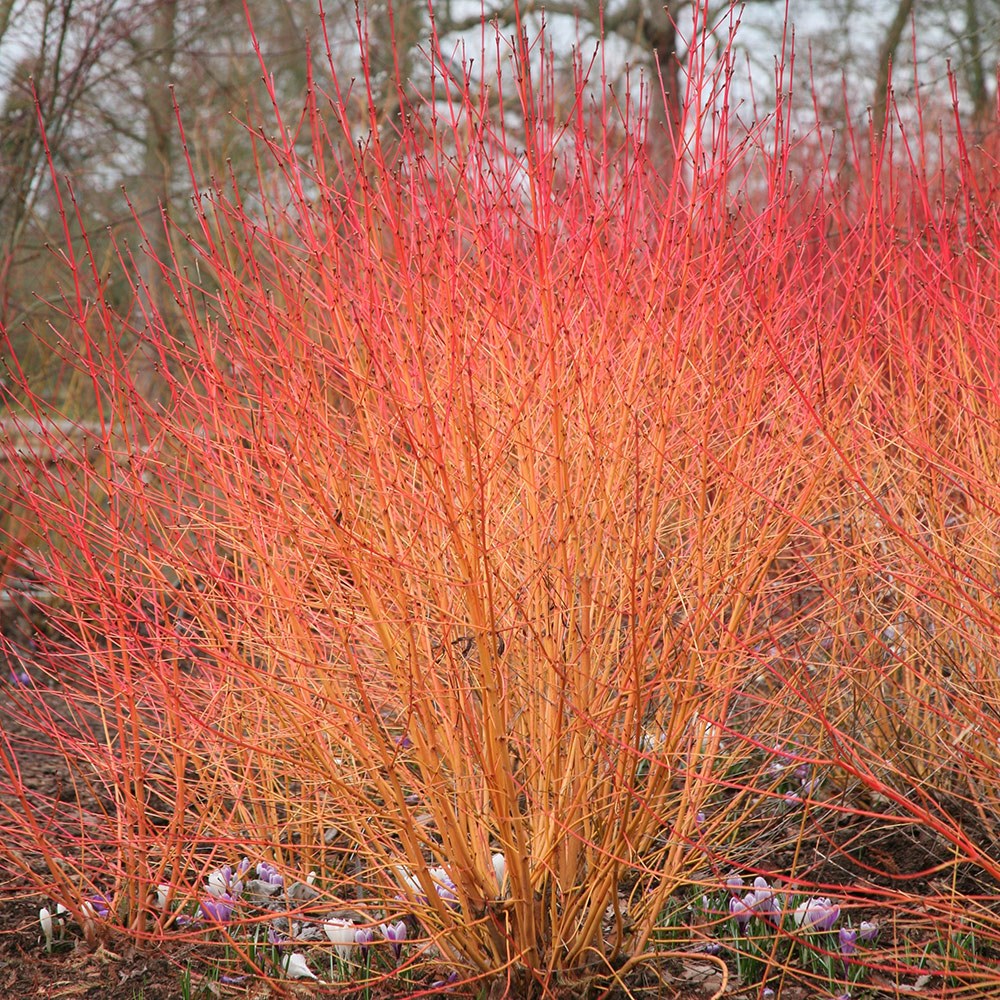
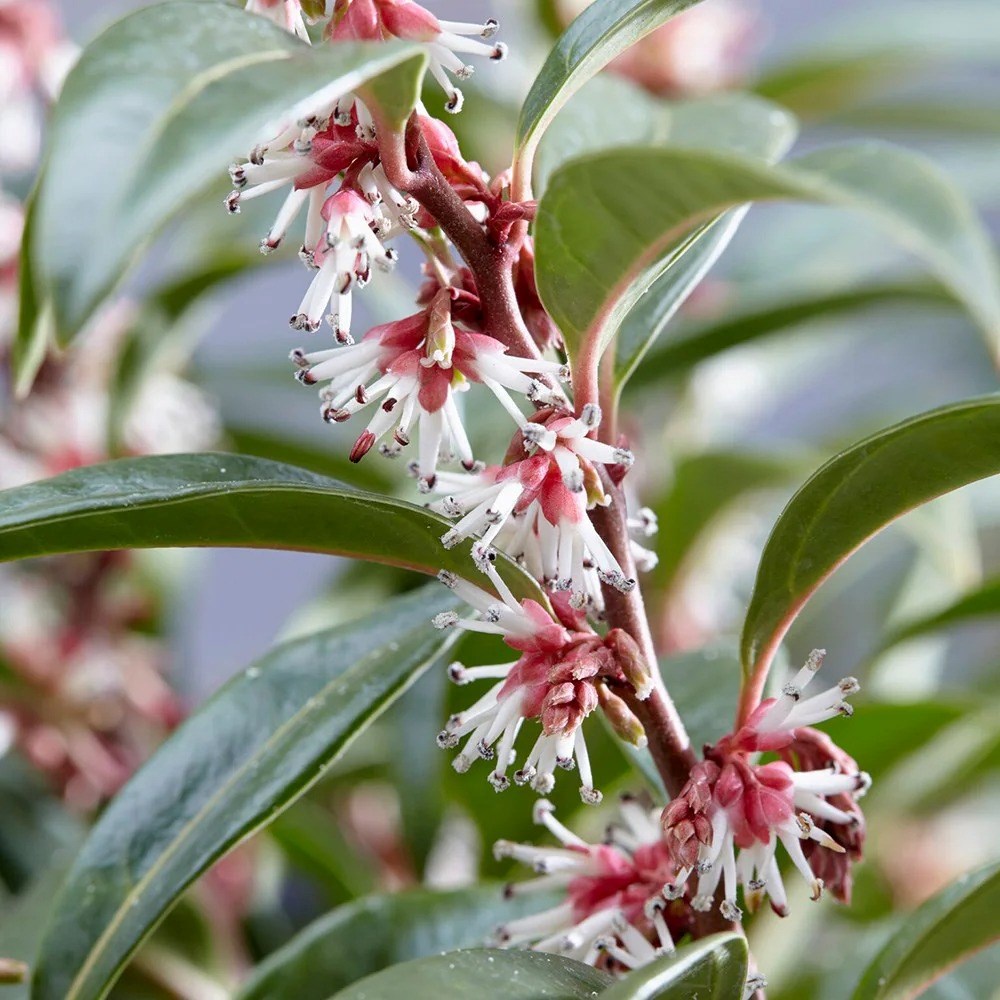
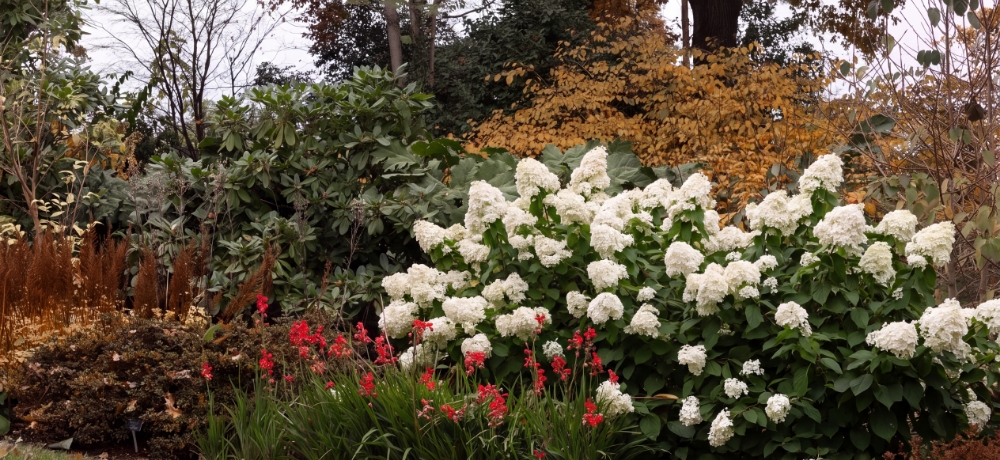
Autumn is an excellent time to add hardy shrubs to borders. Deciduous shrubs are particularly well suited to planting from autumn through to early spring, while many evergreen shrubs can be planted successfully in autumn or spring.
Before choosing your shrub, think about the job you would like it to do. You might want evergreen foliage to provide year-round structure, flowers to bring seasonal colour, berries for autumn interest or a larger shrub to help create privacy.
Most importantly, choose a plant that suits the conditions you have. Consider how much sun the area receives, how wet or dry your soil tends to be and how large the shrub will eventually become.
Autumn planting tip
After planting, add a layer of organic mulch around the base, leaving a small gap immediately around the stems. Mulching can help improve the soil and reduce moisture loss.
Shop compost & fertiliserAdd texture and movement with ornamental grasses
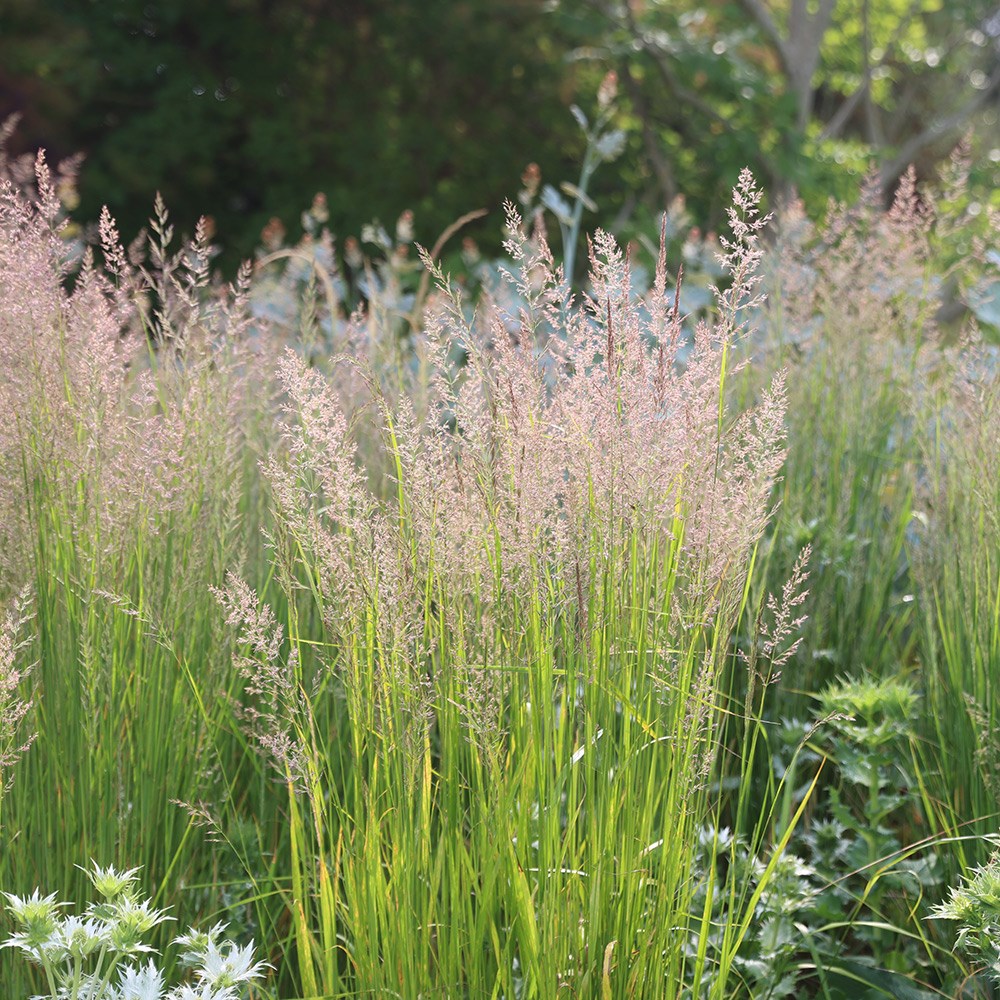
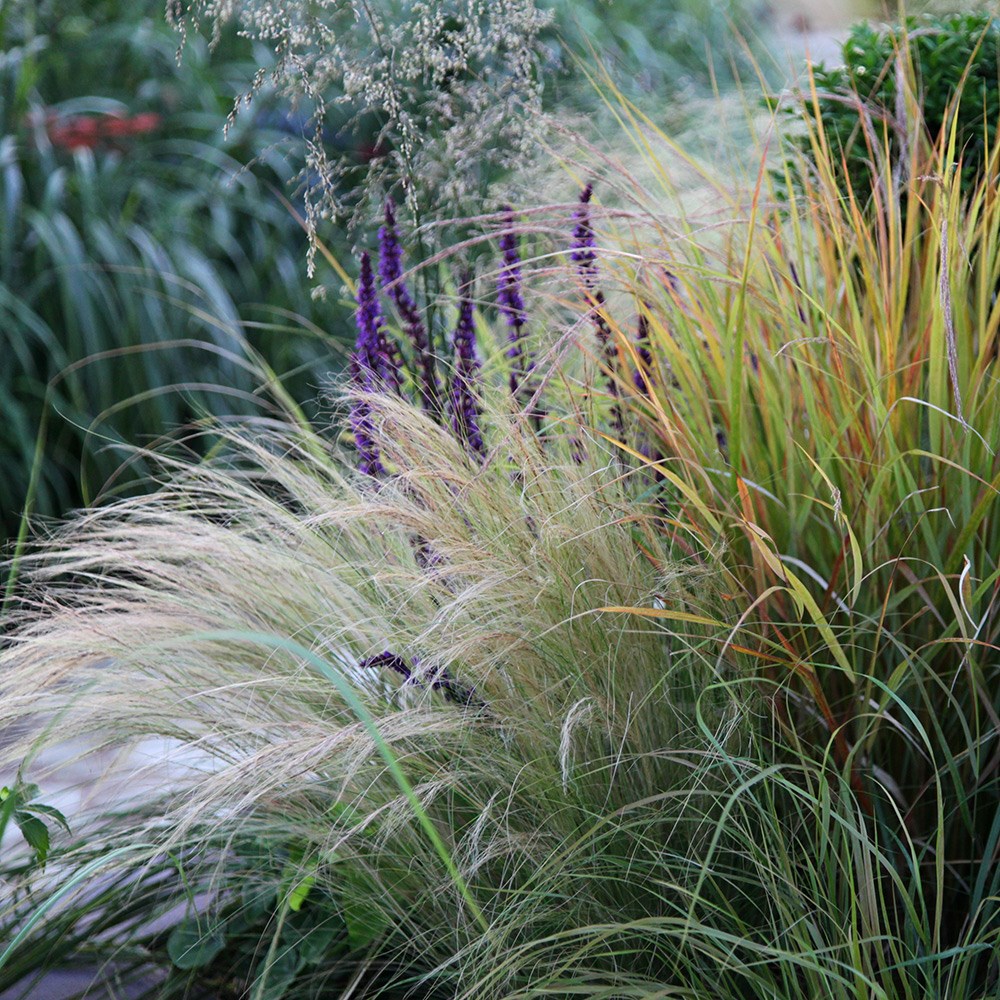
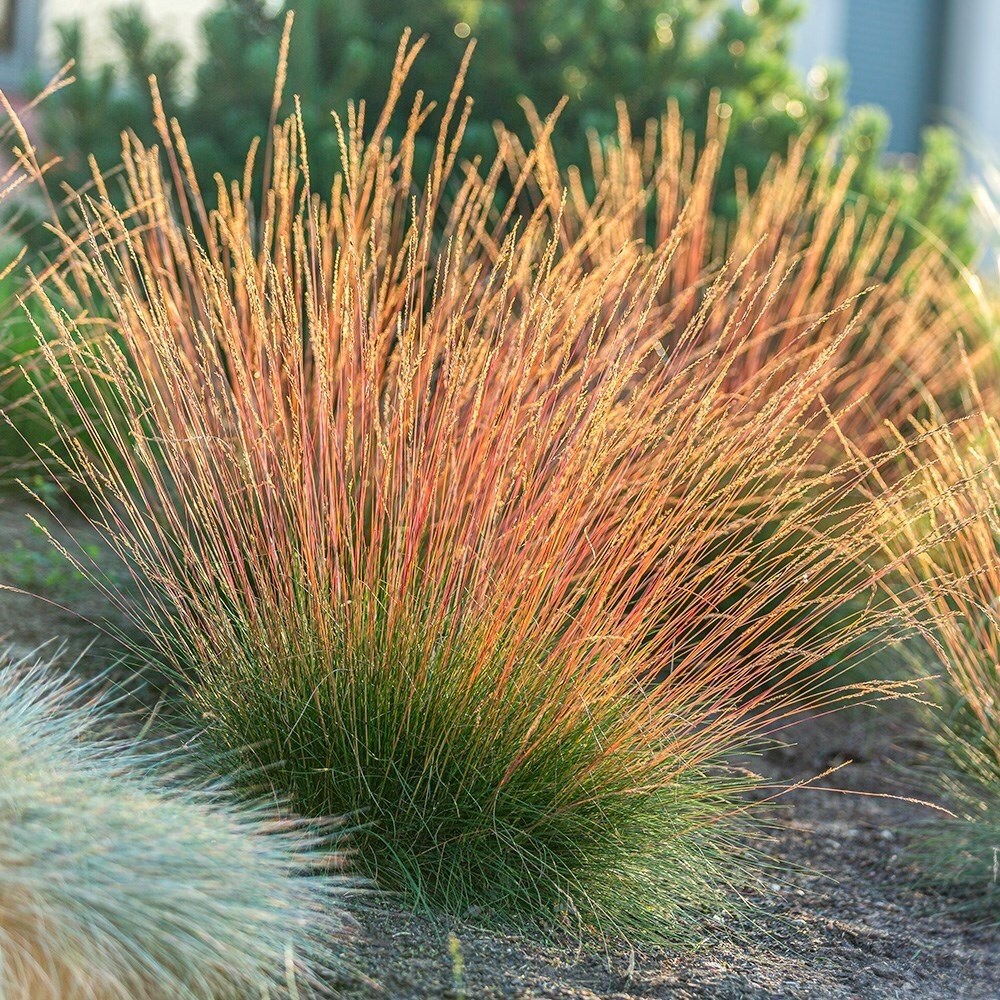
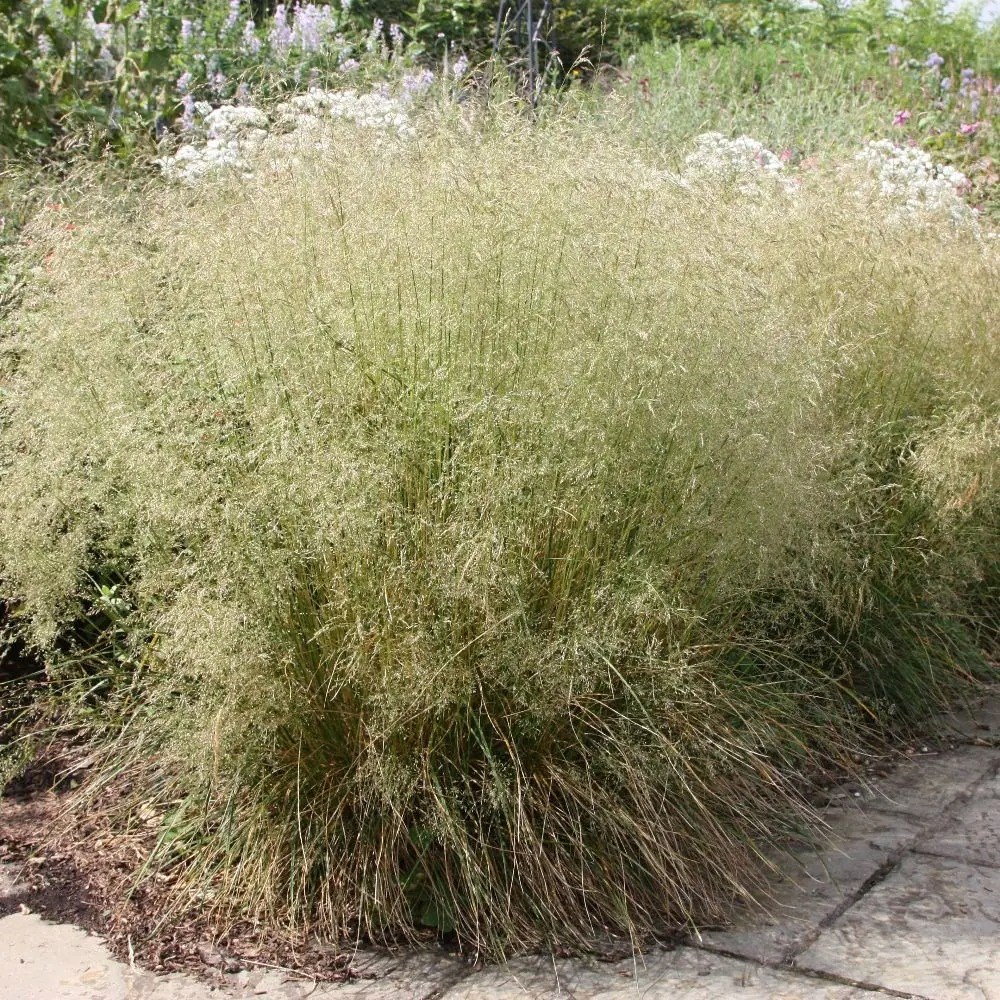
Autumn is when many ornamental grasses really earn their place in the garden. Their flowers and seedheads bring movement and texture to borders and can continue providing structure well into winter. Pair them with late-flowering perennials or weave them between shrubs for a softer, more natural-looking planting scheme.
Cool-climate grasses such as Stipa, Festuca and Deschampsia are well suited to autumn planting. Warm-climate grasses including Miscanthus, Panicum and Pennisetum are generally better planted in late spring, when they are beginning active growth.
Check the individual plant before planting rather than treating all ornamental grasses in the same way.
Autumn planting tip
Resist the temptation to cut deciduous grasses back as soon as their foliage fades. Their dried stems and seedheads can provide winter structure, shelter for insects and food for birds. Cut them back before new growth begins in spring.
Fill your borders for seasons to comes
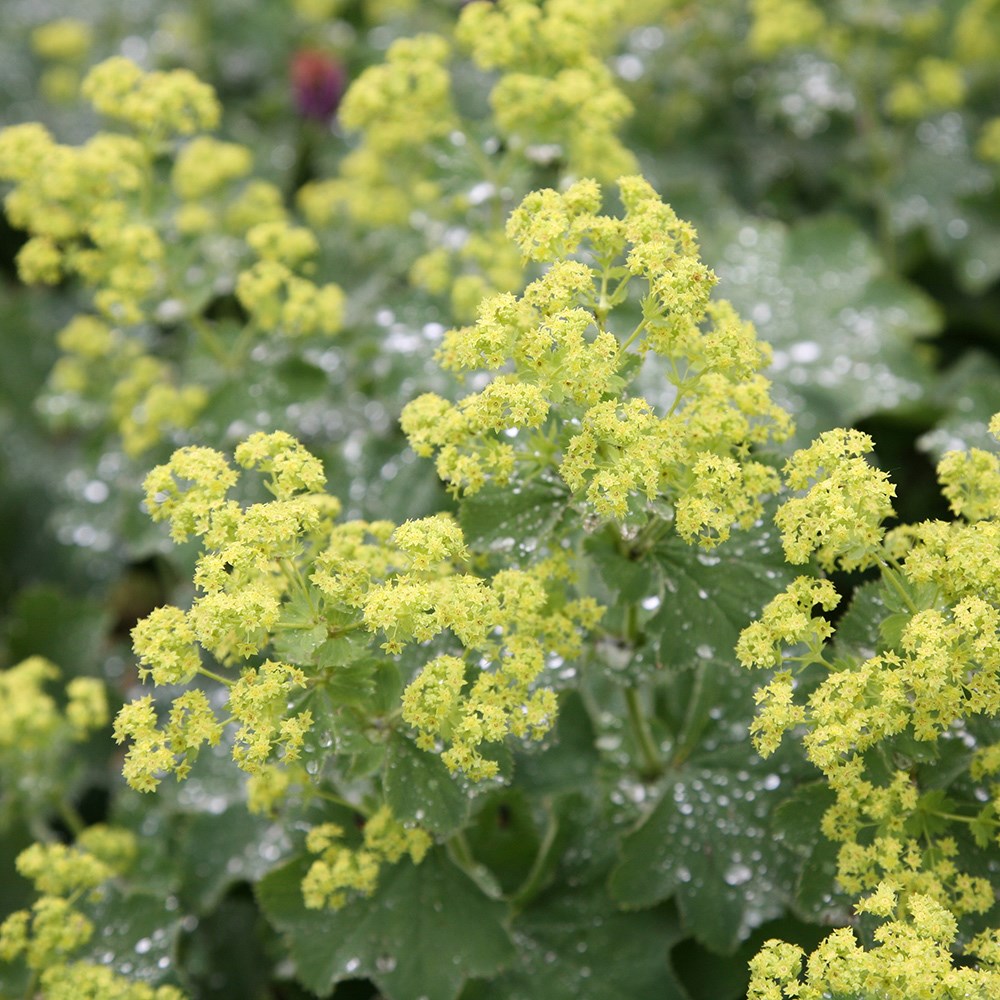
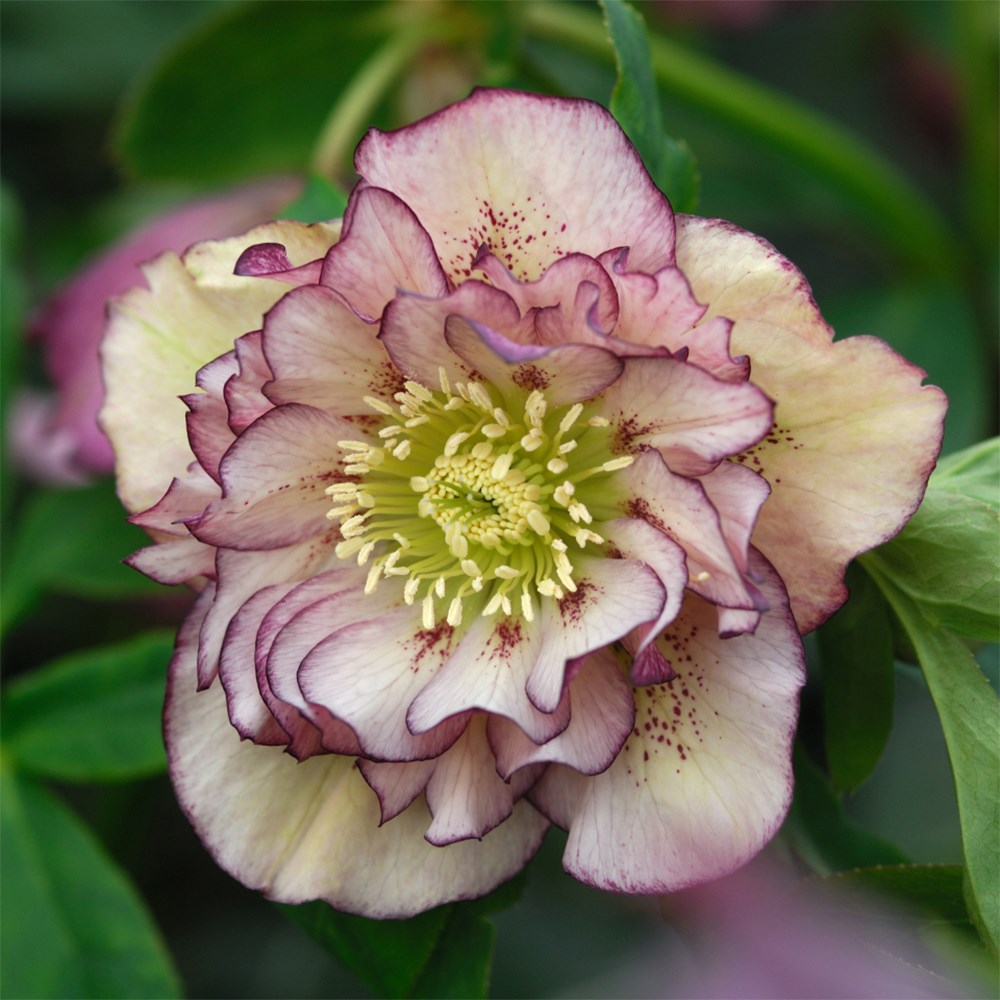
Perennials are the plants that return year after year, making them one of the foundations of a well-planned border.
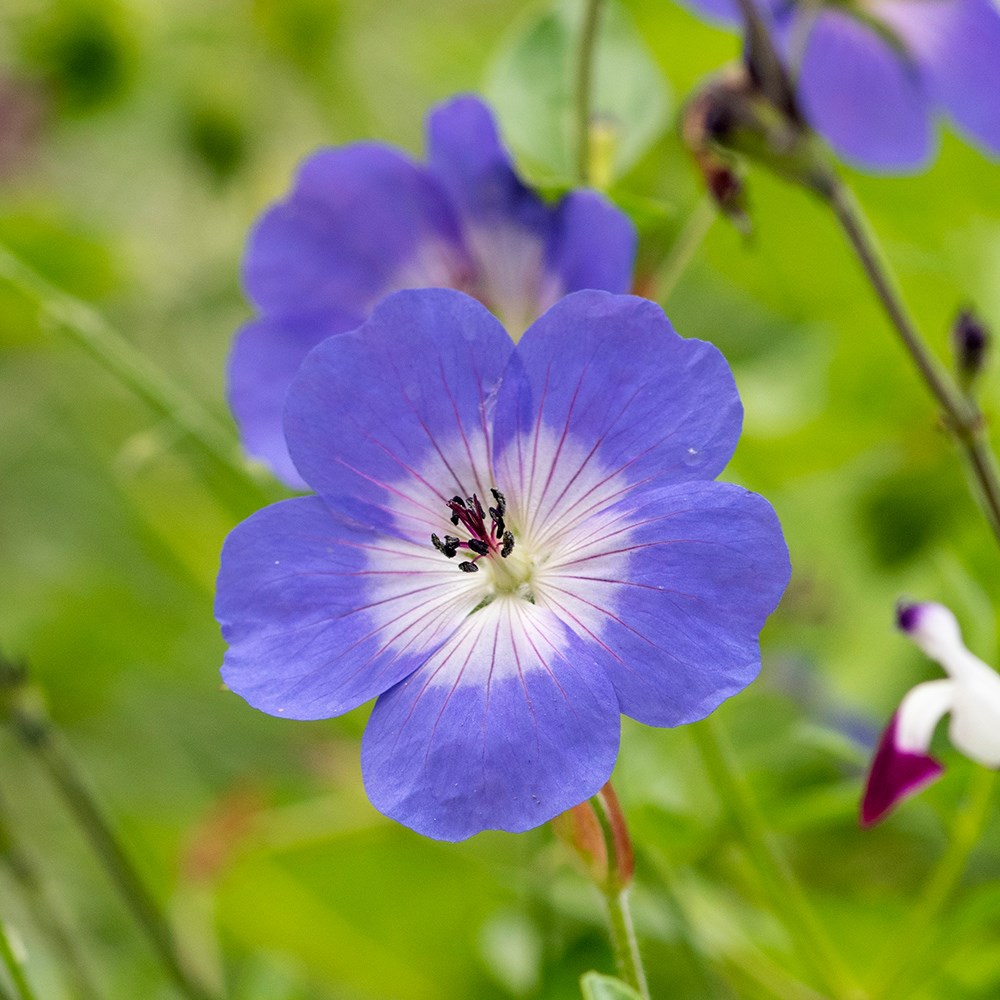
Late September and October are particularly good months for planting many hardy perennials while the soil is still relatively warm and becoming naturally moist.
Planting now gives their roots time to start establishing before winter. While some varieties will die back almost completely above ground, their root systems remain below the soil ready to produce new growth when conditions improve.
Plant now, enjoy later
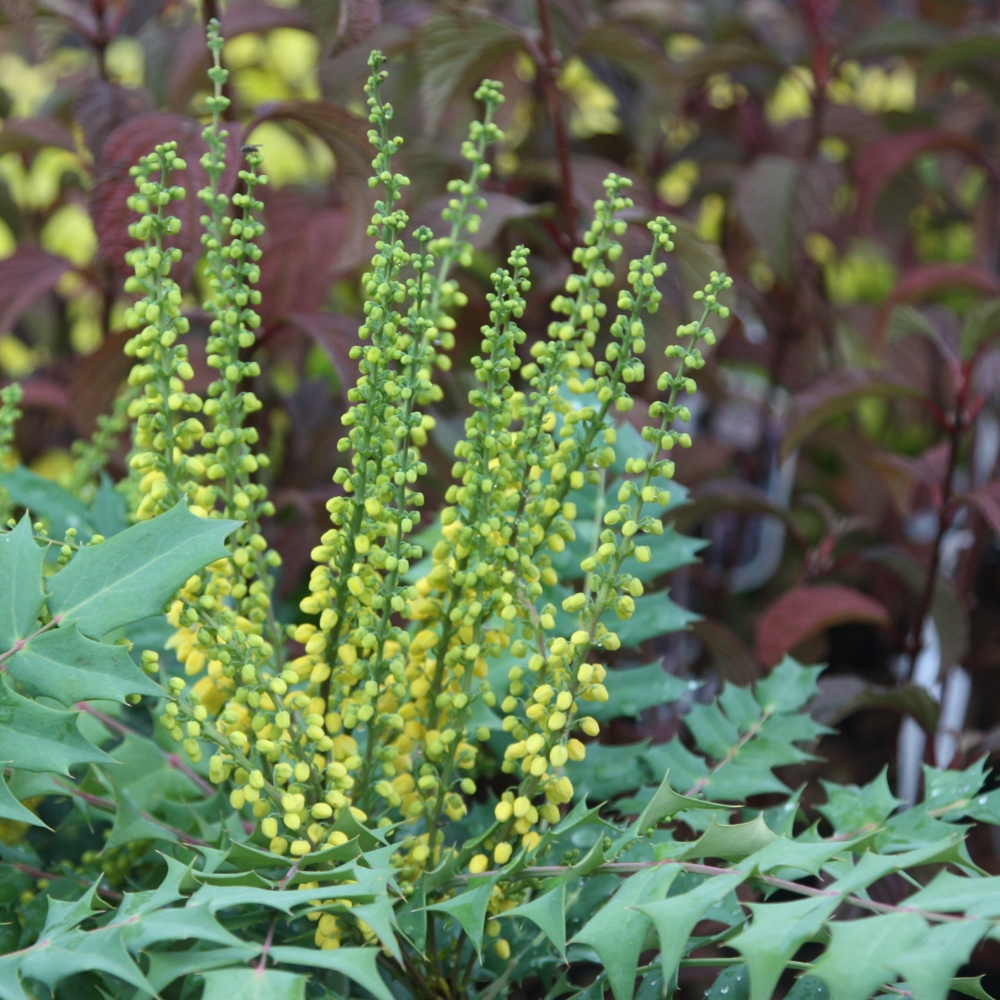
Autumn planting is one of those garden jobs where much of the reward comes later.
A bag of bulbs becomes the first colour of spring. A young tree begins putting down roots that will support years of growth. Perennials start to establish quietly beneath the soil before returning with fresh shoots next year.
So don't think of autumn as the end of the gardening year. In many ways, it is where next year's garden begins.