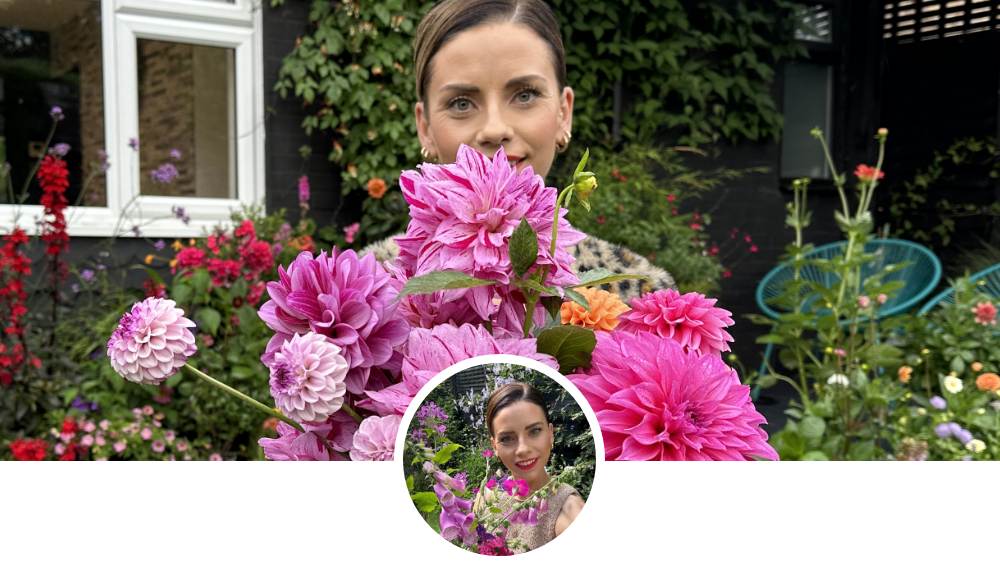
A Beginner’s Month-by-Month Guide
WRITTEN BY SOPHIE VALENTINE
Dahlias are one of the most rewarding flowers you can grow — bold, beautiful, and incredibly generous with their blooms. If you’ve never grown dahlias before, don’t worry. While they may look dramatic and exotic, they’re actually very achievable for beginner gardeners in the UK once you understand the rhythm of the year.
This guide breaks the process down month-by-month, so you know exactly what to do and when. By following these simple steps, you’ll be enjoying armfuls of dahlias from summer right through to the first frosts in autumn in 2026.
January: Pre-Order Your Tubers
Winter is the perfect time to start planning which dahlias you’d love to grow in your garden. One of my top tips when choosing tubers is to think about how you’ll actually use the flowers. Dahlias are wonderful cut-and-come-again plants, which means the more you cut, the more flowers they produce — ideal if you enjoy bringing armfuls of blooms indoors.
If you’re hoping to fill vases around your home throughout the summer, I’d recommend planting at least five or six tubers. This gives you a good mix of colours and forms and makes it much easier to create beautiful, varied displays. I also always like to include a few open-centred cultivated varieties, where the pollen is visible. Not only do they add a lighter, more natural look to arrangements, but they’re also fantastic for pollinators, making your garden just as welcoming to bees as it is to you.
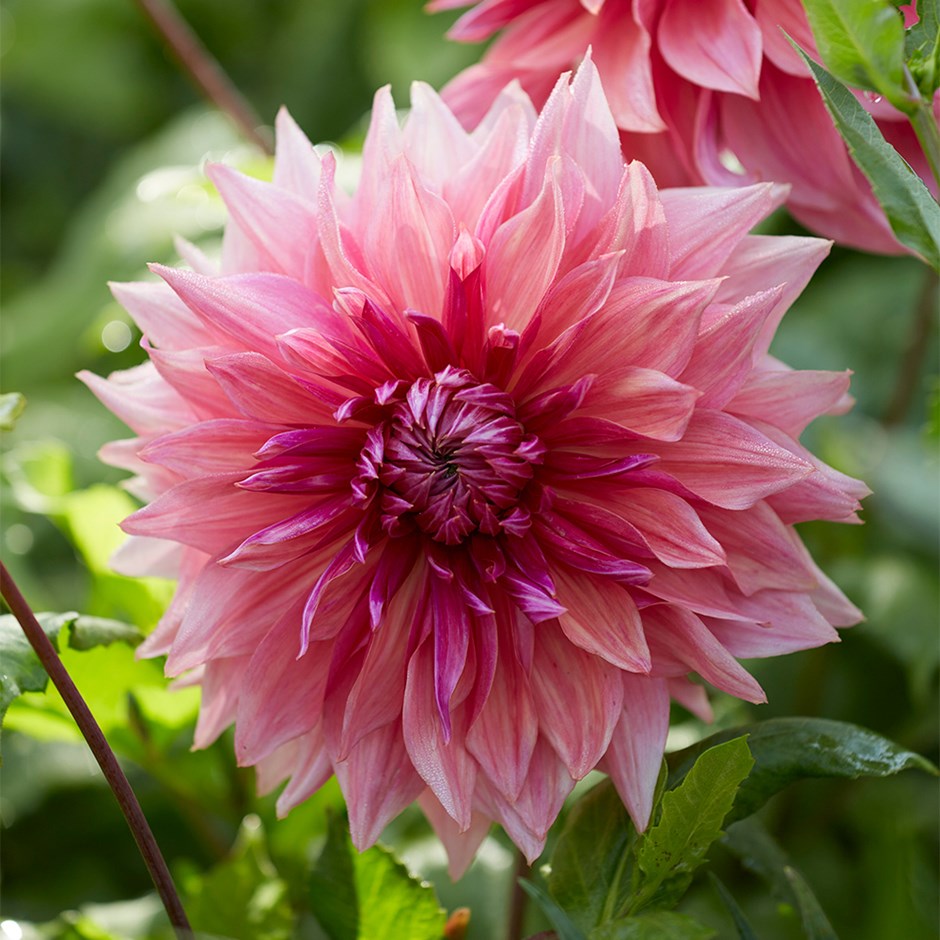
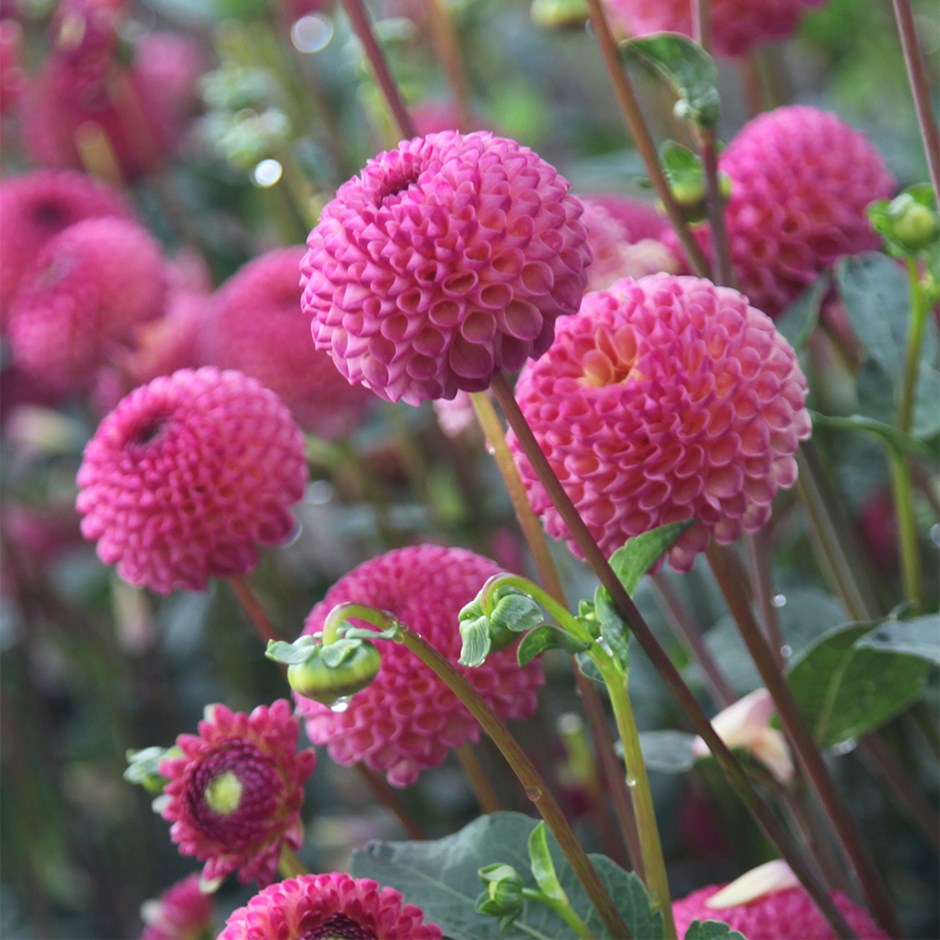
I have put together two collections of dahlias to suit both a romantic, and a hot colour scheme, and I think you might love them.
February–March: Sow & Start Planting
Starting Dahlias Early
If you’re growing dahlias from tubers (which most people do), February and March are ideal for starting them into growth indoors. Place tubers into pots filled with multi-purpose compost, making sure the old stem is just above the surface. Water lightly — too much water at this stage can cause rot.
Keep pots somewhere frost-free, such as a greenhouse, conservatory, or bright windowsill. You’re not aiming for rapid growth yet, just gentle encouragement.

Growing from Seed
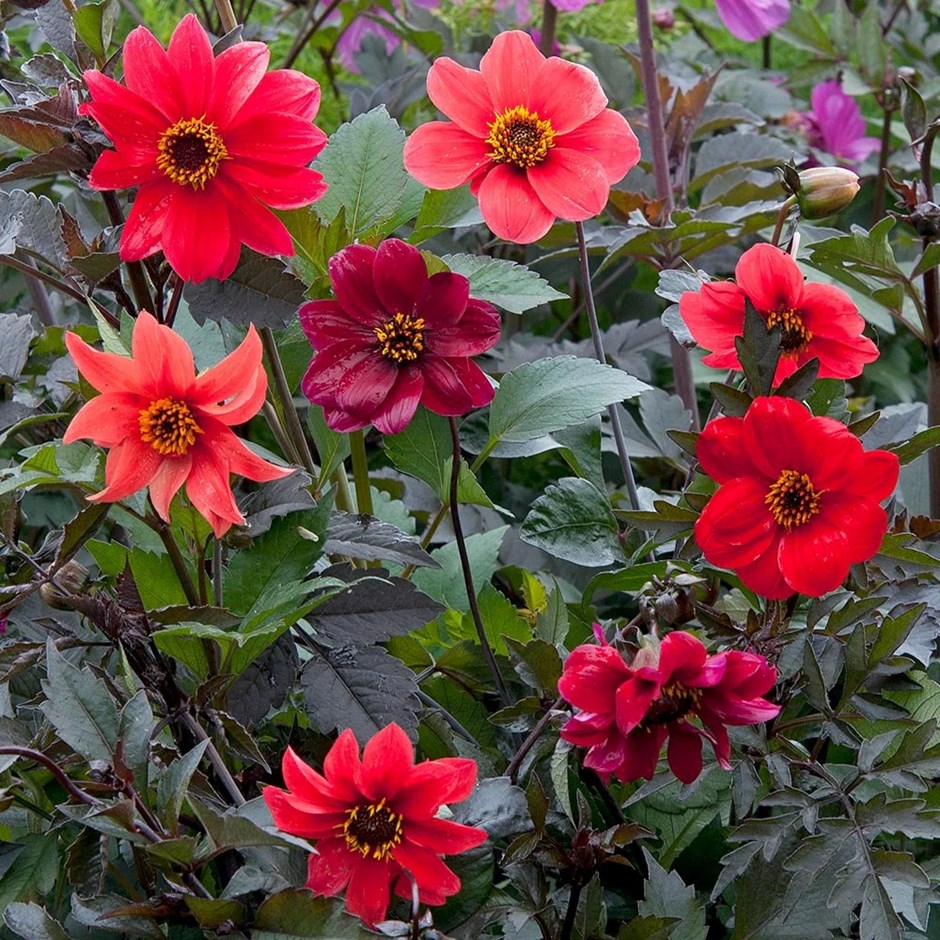
Some dahlias can also be grown from seed, particularly bedding or single-flowered types. My favourite cultivated variety to grow from seed is Dahlia ‘Bishop’s Children’ Sow seeds in seed trays filled with compost, lightly cover them, and keep warm. These won’t be identical to the parent plant, but they’re a fun and affordable way to grow dahlias for the first time.
💡 Beginner tip: Label everything. It’s amazing how similar pots look in spring!
March–May: Plant Out
This is where patience pays off.
Waiting for the Right Time
Dahlias are tender plants and hate frost. In most parts of the UK, planting out usually happens from late April to May, once the risk of frost has passed. You might be planting out your tubers which have started to sprout indoors OR you could also plant your tubers directly in the ground at this time too. If in doubt, wait — it’s far better to plant a little late than too early.
Hardening Off
Before planting outside, gradually acclimatise your dahlias by placing them outdoors during the day and bringing them back in at night for a week or two. This process, called hardening off, helps prevent temperature-induced shock.
Planting in the Ground or Pots
Choose a sunny spot — dahlias thrive in full sun. As long as they have at least 6 hours of sun, they will be happy. Dig a generous hole, add compost or well-rotted farmyard manure, and plant the tuber about 10–15cm (4-6in) deep. I also have also experimented with adding a handful of fish, blood, and bone powder into the planting hole and have had excellent results. It is a slow-release fertiliser, which works brilliantly to give them a boost.
Dahlias also grow beautifully in large pots. Make sure containers are deep, free-draining, and filled with nutrient-rich compost.
Watch for Pests
Slugs, snails, aphids, and earwigs can all be attracted to dahlias. Check plants regularly and deal with problems early using wildlife-friendly methods where possible.

May–June: Stake, Feed & Pinch
This is one of the most important stages — and one many beginners skip!
Staking Early
Dahlias grow quickly and can snap in strong winds. Put stakes in at planting time or soon after to avoid damaging roots later. Bamboo canes, metal stakes, or decorative supports all work well.
Tie plants loosely as they grow, allowing space for movement.
Feeding for Success
Dahlias are hungry plants. Start feeding once growth is established using a balanced liquid feed, like a seaweed feed every 1–2 weeks. As buds form, switch to a high-potash feed (like tomato feed) to encourage flowers.
Pinching for More Blooms
When your dahlia reaches about 30–40cm (12-16in) tall, pinch out the growing tip just above a set of leaves. This may feel scary, but it encourages bushier plants and many more flowers later on.
💡 Beginner reassurance: One pinch now means armfuls of blooms later as you will get more flower stems.
July–October: Flowers, Flowers, Flowers
A Long Flowering Season
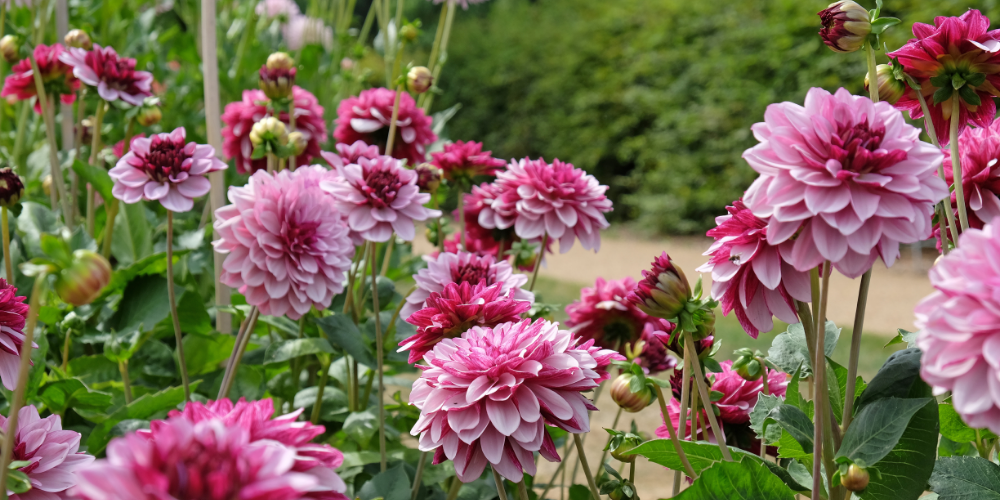
Dahlias bloom from mid-summer right through until the first frost — often October or even November in mild years. Few plants offer such a long display.
Deadheading Is Key
Regularly remove spent flowers by cutting back to the next set of leaves. This tells the plant to keep producing blooms instead of setting seed.
Cutting for the House
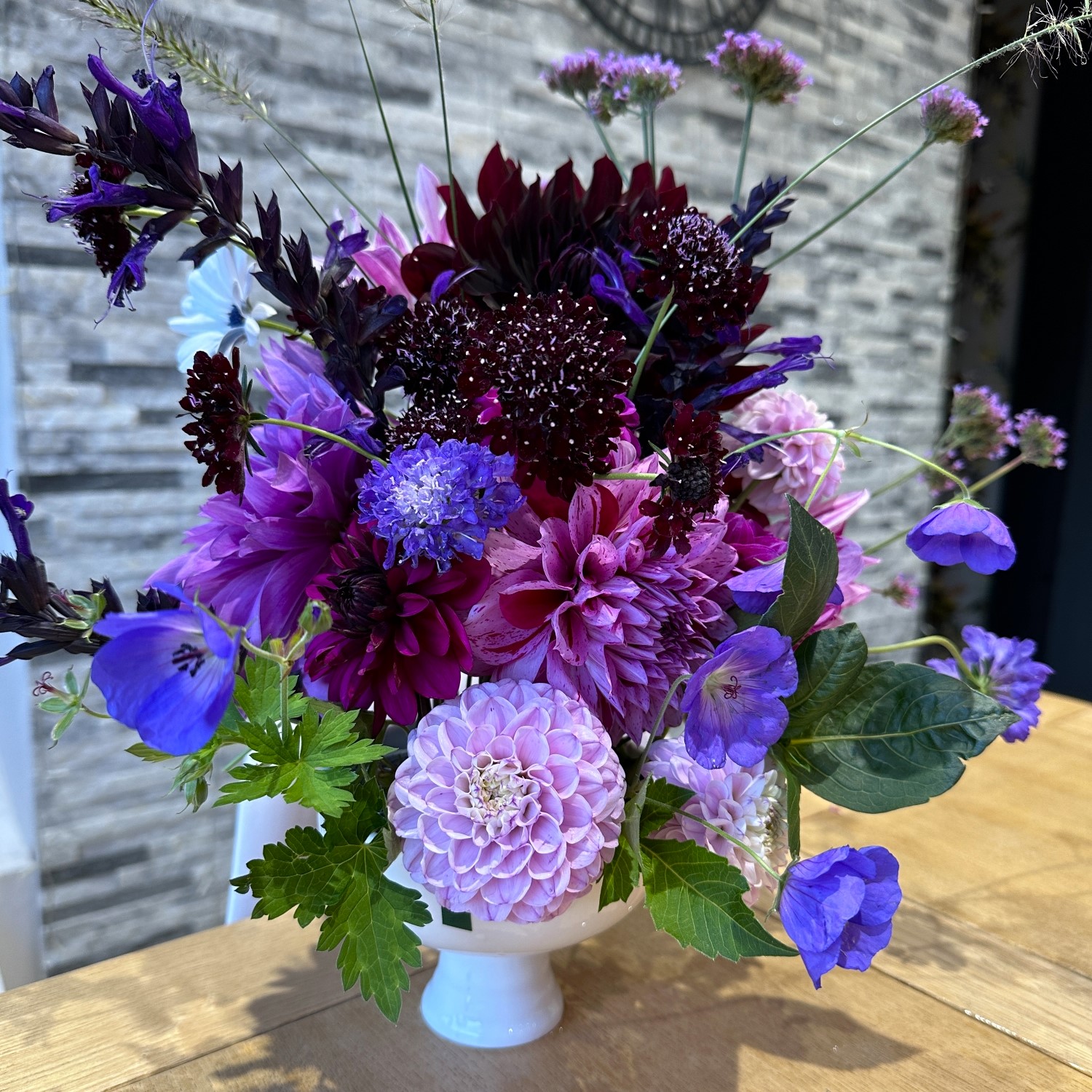
Dahlias make fantastic cut flowers. Harvest in the morning, choosing blooms that are fully open. The more you cut, the more flowers you’ll get — it’s a win-win.
November–December: Lift & Store
As winter approaches, it’s time to think about protecting your dahlias.
When to Lift
After the first frost blackens the foliage, cut plants down to around 10–15cm (4-6in). This signals that the plant is dormant and ready to be lifted.
Lifting Tubers
Carefully dig around the plant and lift the clump from the soil. Shake off excess earth and allow tubers to dry for a day or two in a frost-free place.
Storing Over Winter
Once dry, store tubers in a cool, dark, frost-free place — a shed or garage, is ideal. Pack them in crates or boxes with sawdust, dry compost, or newspaper to prevent them drying out or rotting. I have best success with sawdust, and I make sure to leave the lid of the box open to allow air and some moisture to be present.
Label tubers clearly so you know what’s to come in spring.
💡 Alternative option: In very mild parts of the UK, dahlias can sometimes be left in the ground with heavy mulching — but lifting is the safest option for beginners.
A note from me

Final Thoughts: Why Dahlias Are Worth It
Growing dahlias might seem like a long process, but each stage is simple when broken down month by month. From the first sign of growth in spring to buckets of flowers in late summer, dahlias reward you again and again.
For beginner gardeners, they’re a fantastic way to build confidence, learn plant care basics, and enjoy spectacular results. By starting early, feeding well, and protecting them over winter, you’ll be setting yourself up for an even better display year after year.
So if 2026 is the year you grow dahlias for the first time, you’re in for something truly special.
Sophie x

Unlock a world of gardening inspiration with the Primrose Garden Club!