
WRITTEN BY SOPHIE VALENTINE
As the days grow shorter and the air turns crisp, you might think the gardening year has come to an end — but winter is actually a wonderful time to prepare, plant, and nurture your garden for the seasons ahead. We are only weeks away from the winter solstice and then it will feel like the race towards spring. Whether you’re new to gardening or just want to make the most of these quieter months, there are plenty of rewarding jobs you can do right now to keep your garden healthy and ready to burst into life come spring.
Garden Tidy | Winter Garden Jobs
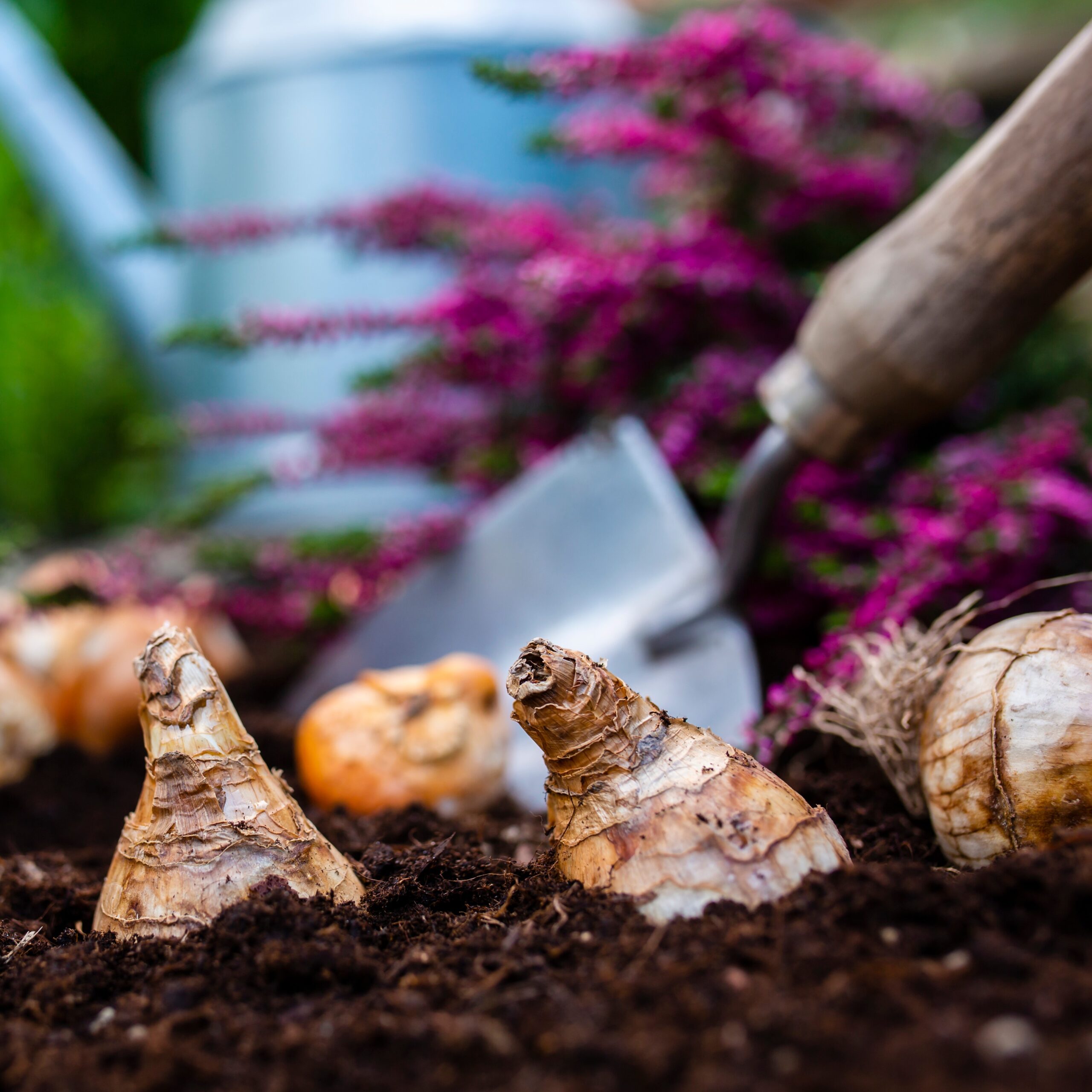
1. Plant your tulip bulbs
If you haven’t already planted your tulip bulbs, don’t worry — winter is the perfect time! The UK has seen such a mild autumn that in most areas it has been too mild for tulip planting. Tulips are best planted in cooler soil, so planting them in December helps prevent diseases like tulip fire.
Choose a sunny spot with well-draining soil, and plant your bulbs about three times their own depth (usually around 15cm). Add a sprinkle of grit at the base of each hole if your soil is heavy — this helps prevent rot. Tulips look especially lovely in pots. Planting two tulip varieties together or layer with other spring bulbs like daffodils and muscari for a long-lasting display.
2. Collect fallen leaves
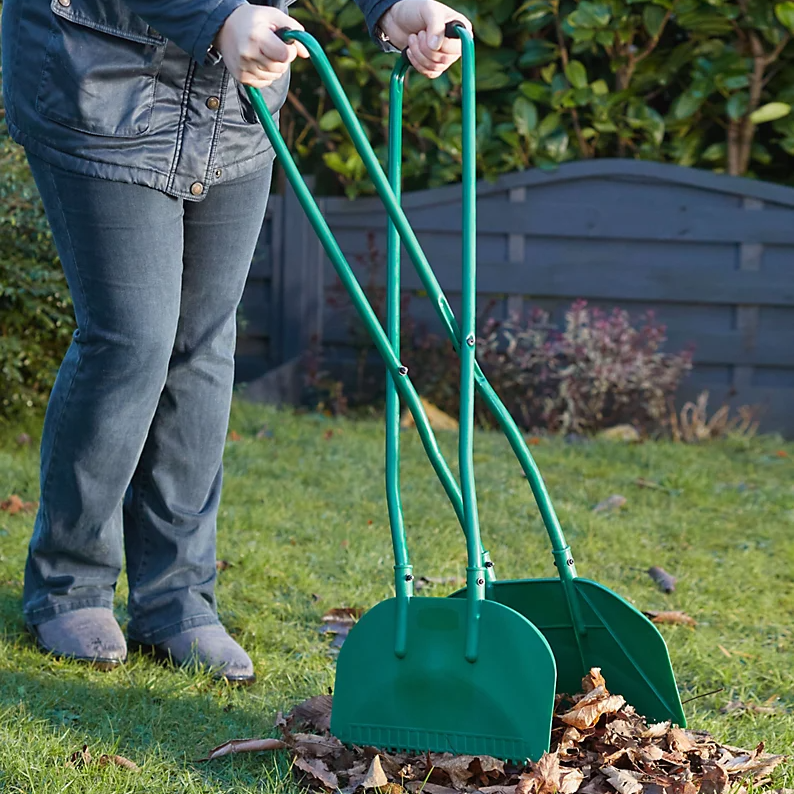
Gathering fallen leaves is one of those simple, satisfying winter jobs that makes a big difference. Clear them from lawns, paths, and patios to prevent them from becoming slippery or smothering your grass. Our handy leaf grabber makes it a much more enjoyable job especially if you find it tricky bending down.
But don’t throw them away — turn them into leaf mould, a wonderful soil conditioner. Simply collect damp leaves in a bin bag or wire cage and let them break down over the year. By next winter, you’ll have beautiful, crumbly organic matter perfect for mulching beds and improving soil texture.
3. Plant bare root roses
Winter is the ideal season to plant bare root roses, there is a rose for every garden. Here are a few stunning rose varieties I think you might love.



Soak the roots in water for a couple of hours before planting, then dig a generous hole and mix in some soil improver or well-rotted farmyard manure. Then sprinkle some Mycorrhizal Fungi powder around the inside of your planting hole.


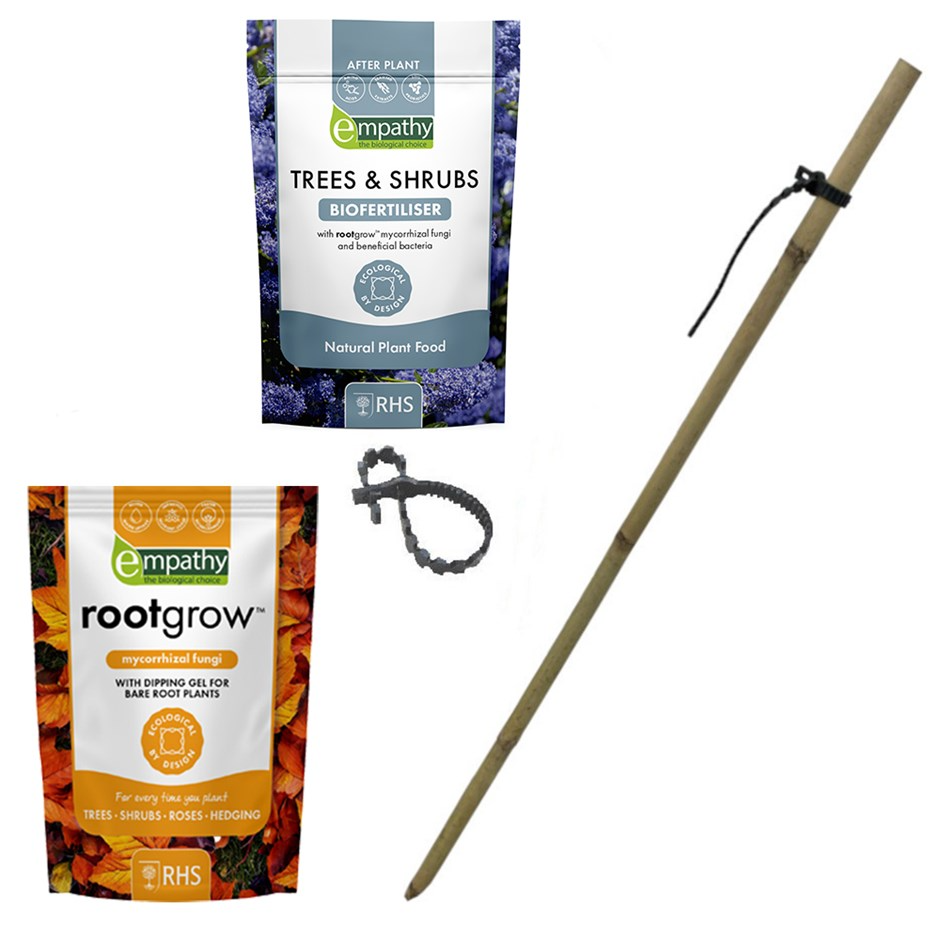
Make sure the bud union (the swollen bit near the base of the stem) sits just about 2 inches below the soil level. Back fill your hole and gently firm the soil with your foot. Water in well, and you’ll be rewarded with strong growth in spring and summer blooms that last for years to come.
4. Plant bare root trees and shrubs
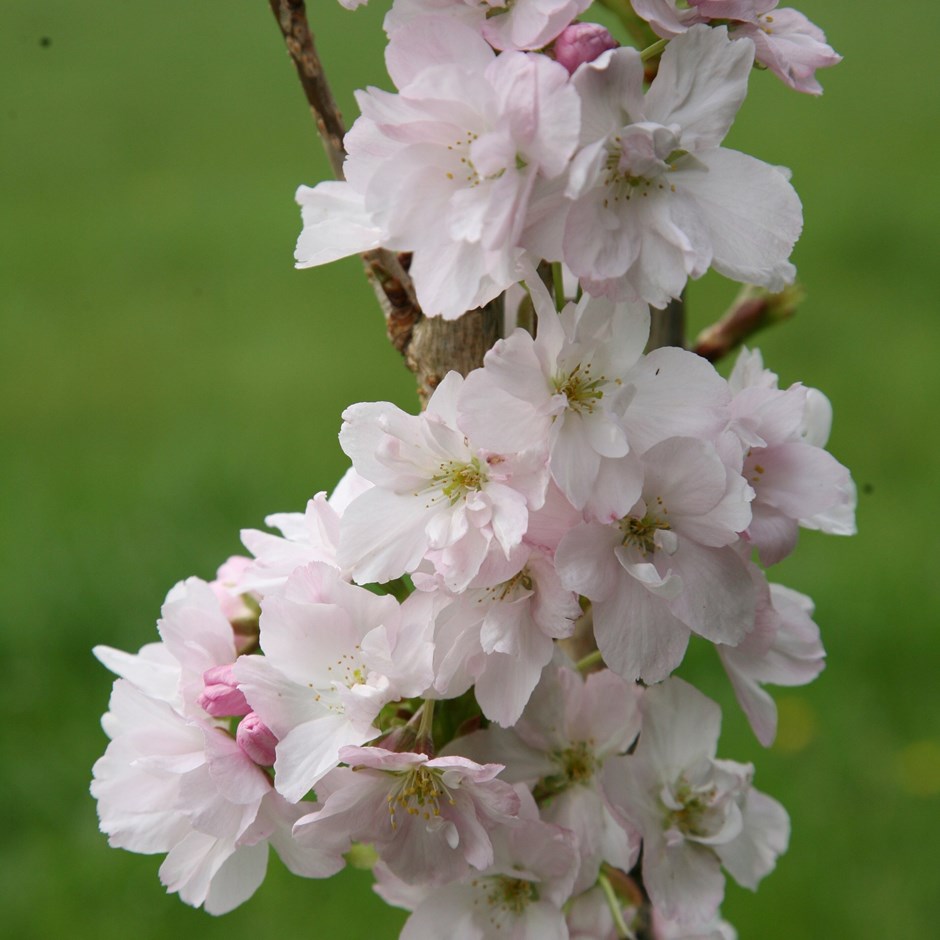
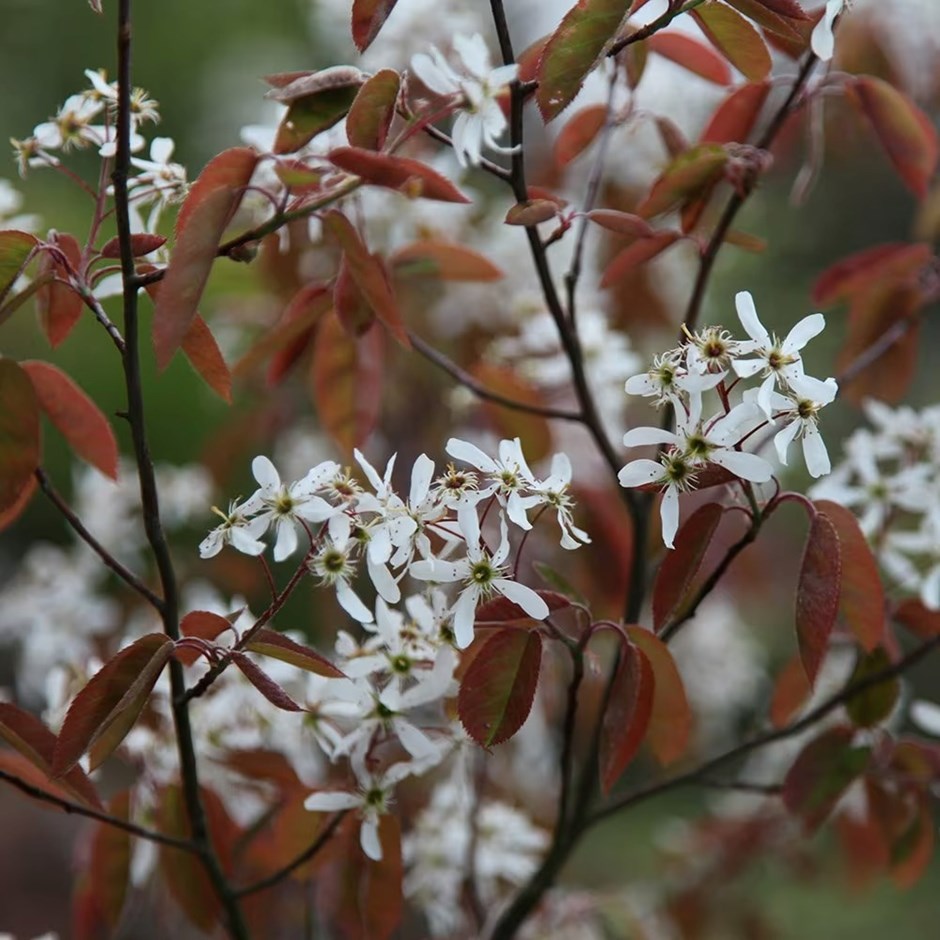
Bare root trees, fruit bushes, and hedging plants are also best planted over autumn and winter, when they’re dormant. It’s a cost-effective way to add structure and seasonal interest to your garden.
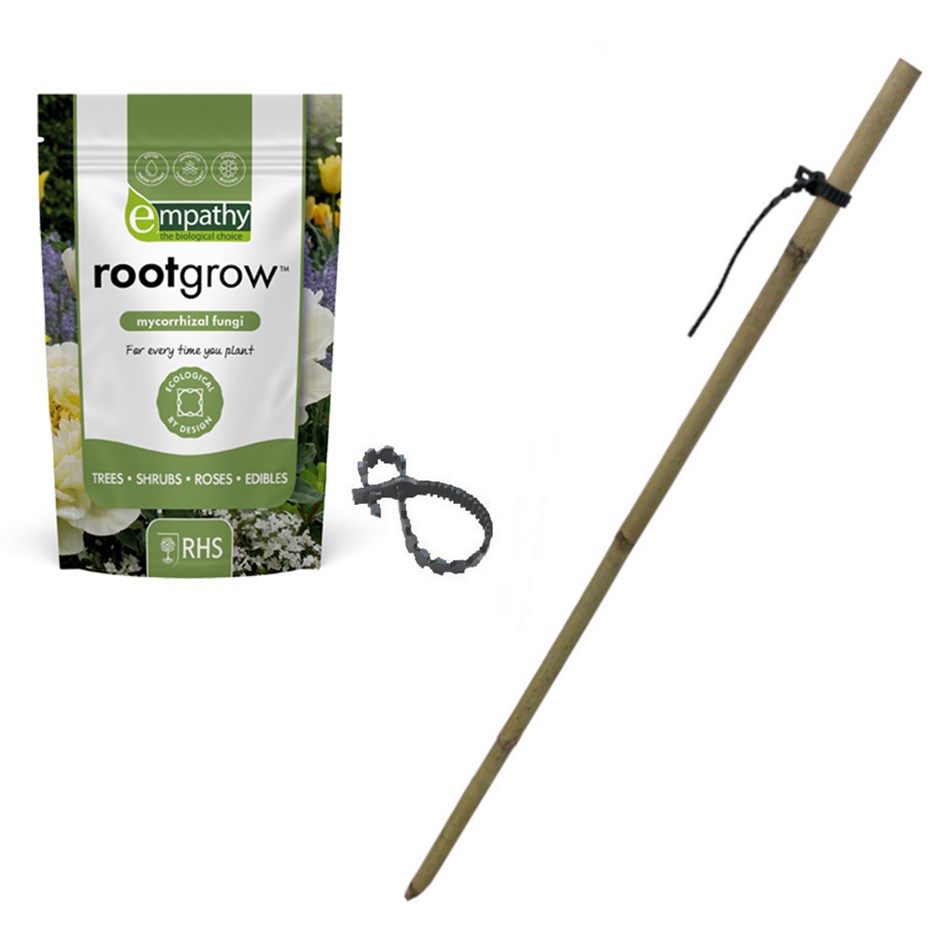
When planting, make sure the roots are spread out evenly in the hole and not cramped. Firm the soil gently around them and stake young trees if necessary. Keep them watered during dry spells — even in winter — until they’re established.
5. You can still plant perennials (if the ground isn’t frozen)
Winter doesn’t mean planting season is over! If the soil isn’t frozen or waterlogged, you can still get hardy perennials into the ground. Plants like foxgloves, hardy geraniums, or Nepeta will start to establish roots over winter and reward you with stronger growth in spring. Just remember to cover them with a little mulch after planting to give them extra insulation and protection from frost
6. Start composting
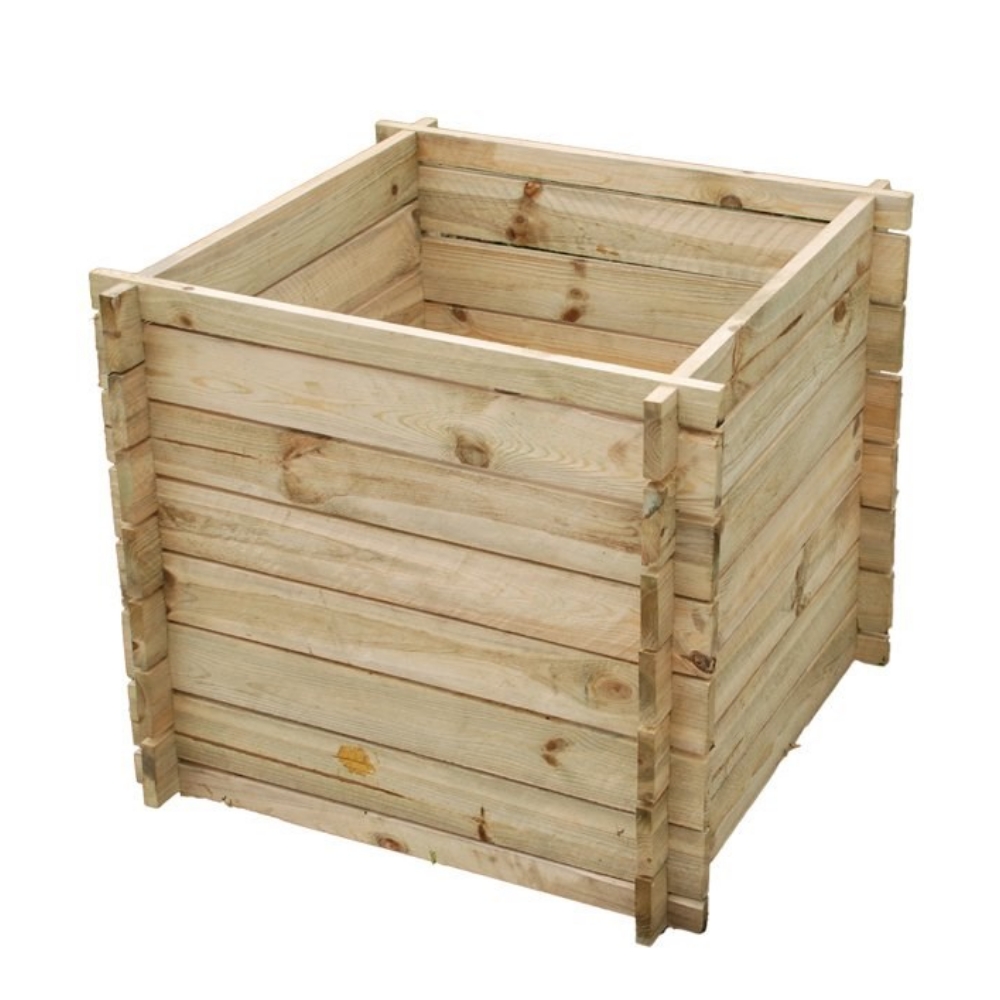
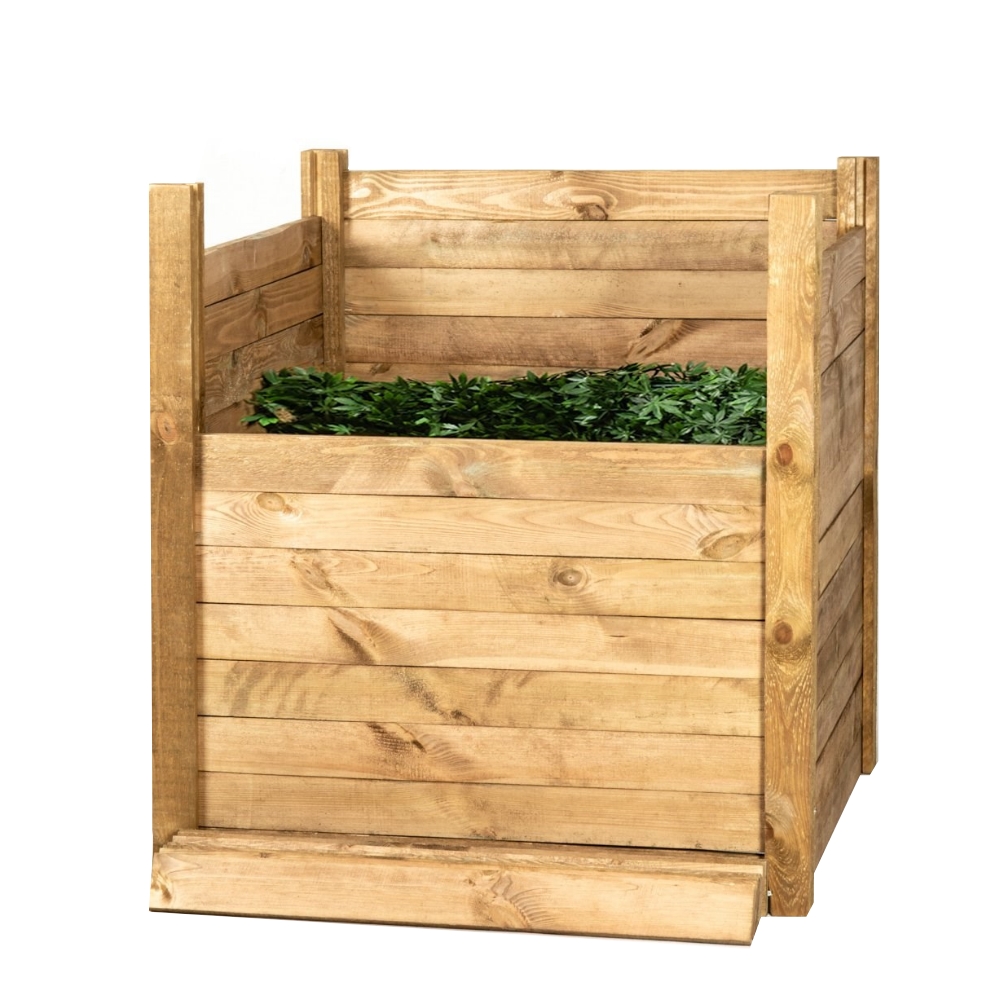
If you’ve not yet started a compost heap, winter is a great time to begin. Composting turns garden waste into rich, dark humus that’s fantastic for improving soil fertility.
Add a mix of “greens” (vegetable peelings, grass clippings, coffee grounds) and “browns” (dried leaves, cardboard, twigs) in roughly equal proportions. Give the pile a turn every few weeks to add air, and cover it to retain warmth. You’ll have your own homemade compost ready to use next year.

7. Feed the birds
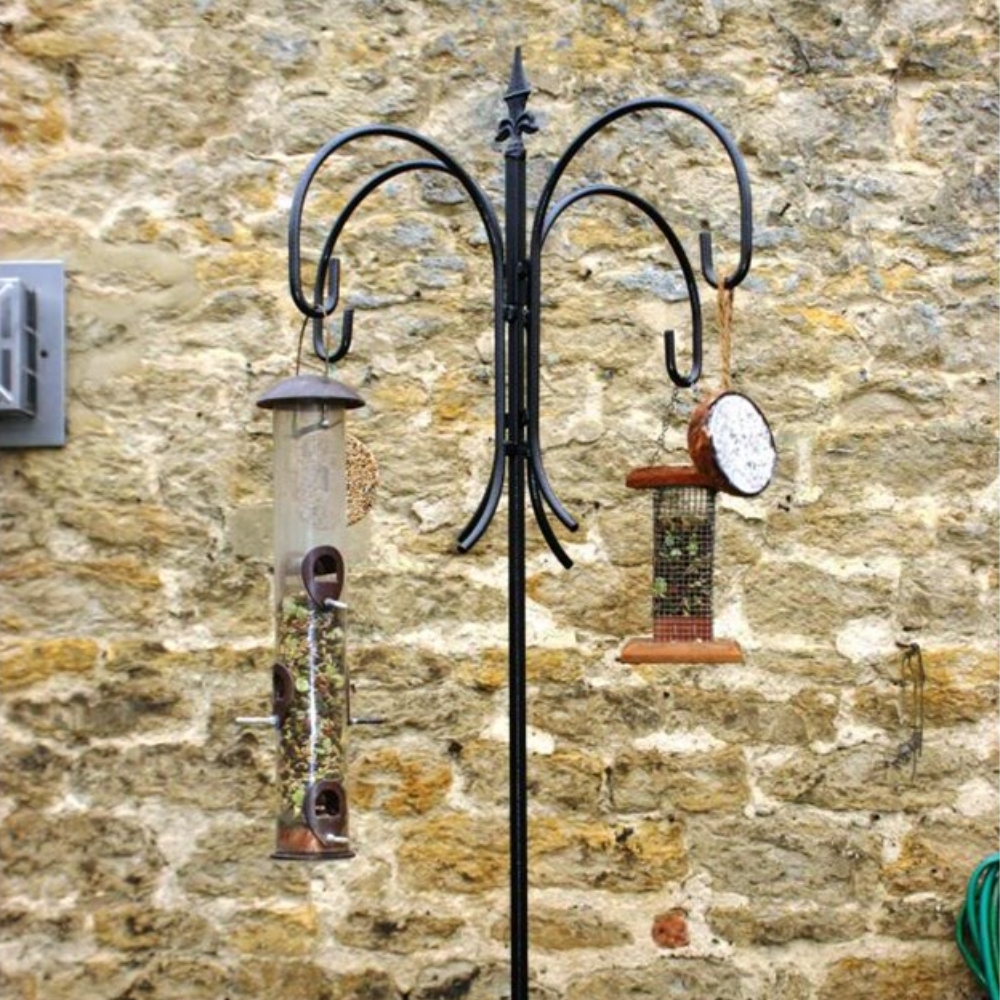
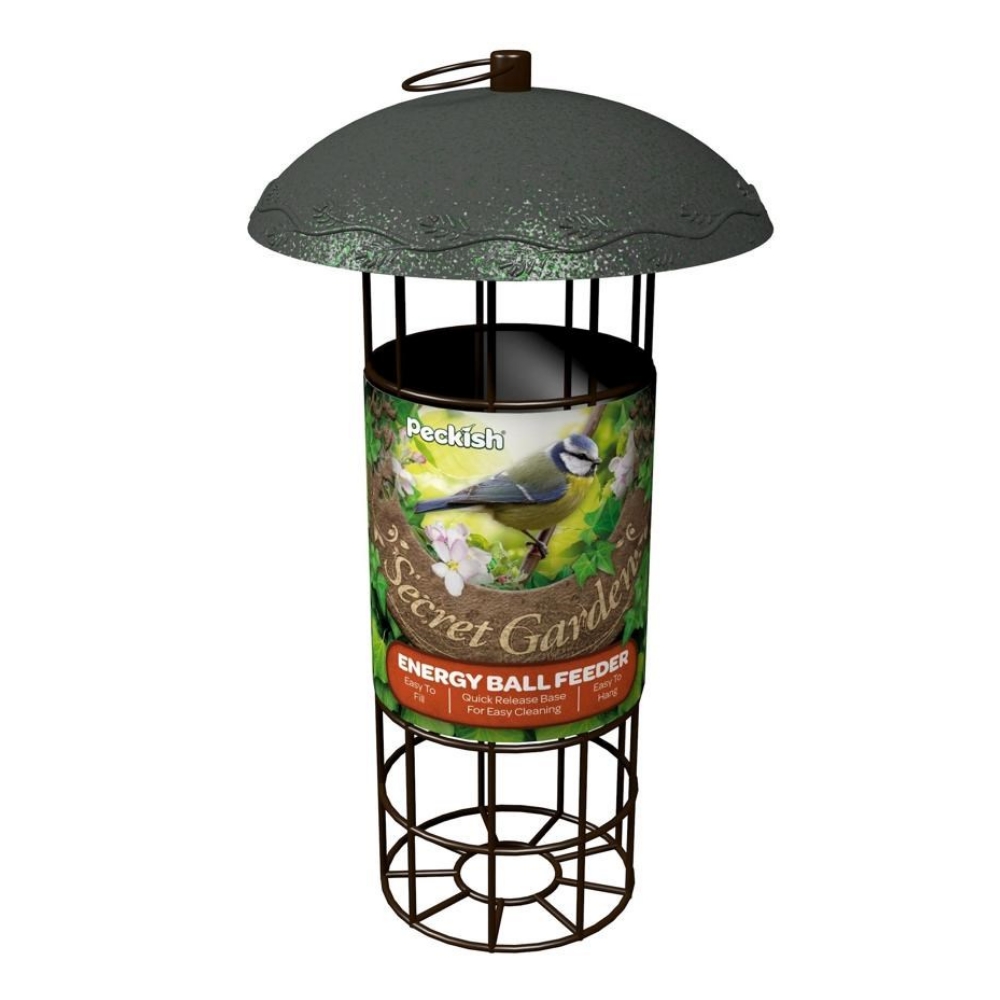
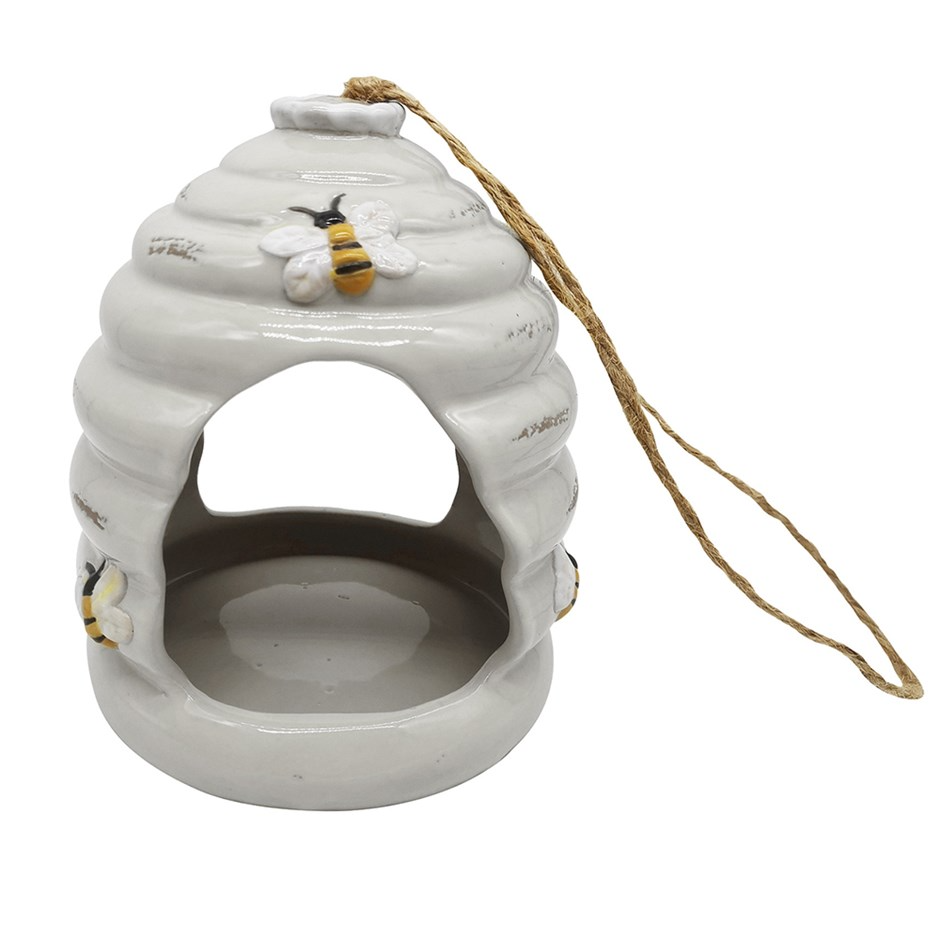
Your garden’s feathered visitors need extra help during winter when natural food sources are scarce. Provide a variety of bird food — seed mixes, fat balls, and peanuts — and keep bird baths topped up with fresh water.
Feeding birds not only helps them survive the cold months but also brings life and movement to your garden when most plants are resting. Watching them flit about can be one of winter’s greatest garden joys!
8. Clean leaves out of the pond
If you have a pond, take a few minutes to remove fallen leaves and debris from the surface. Too much organic matter breaking down in the water can reduce oxygen levels and harm wildlife.
A simple net or pond skimmer will do the job — and once it’s clear, you’ll be rewarded with reflections of bare branches and winter skies on calm days. A simple net or pond skimmer will do the job — and once it’s clear, you’ll be rewarded with reflections of bare branches and winter skies on calm days.
9. Plant out biennial seedlings
If you sowed biennials like wallflowers, foxgloves, or sweet williams earlier in the year, winter is the time to plant them out into their final positions if you haven’t already. They’ll settle in over the cold months and be ready to bloom in late spring.
Make sure the soil is workable, and water them in well. A light mulch around the base will keep the roots cosy and protect them from frost.
10. Mulch beds and roots with organic matter
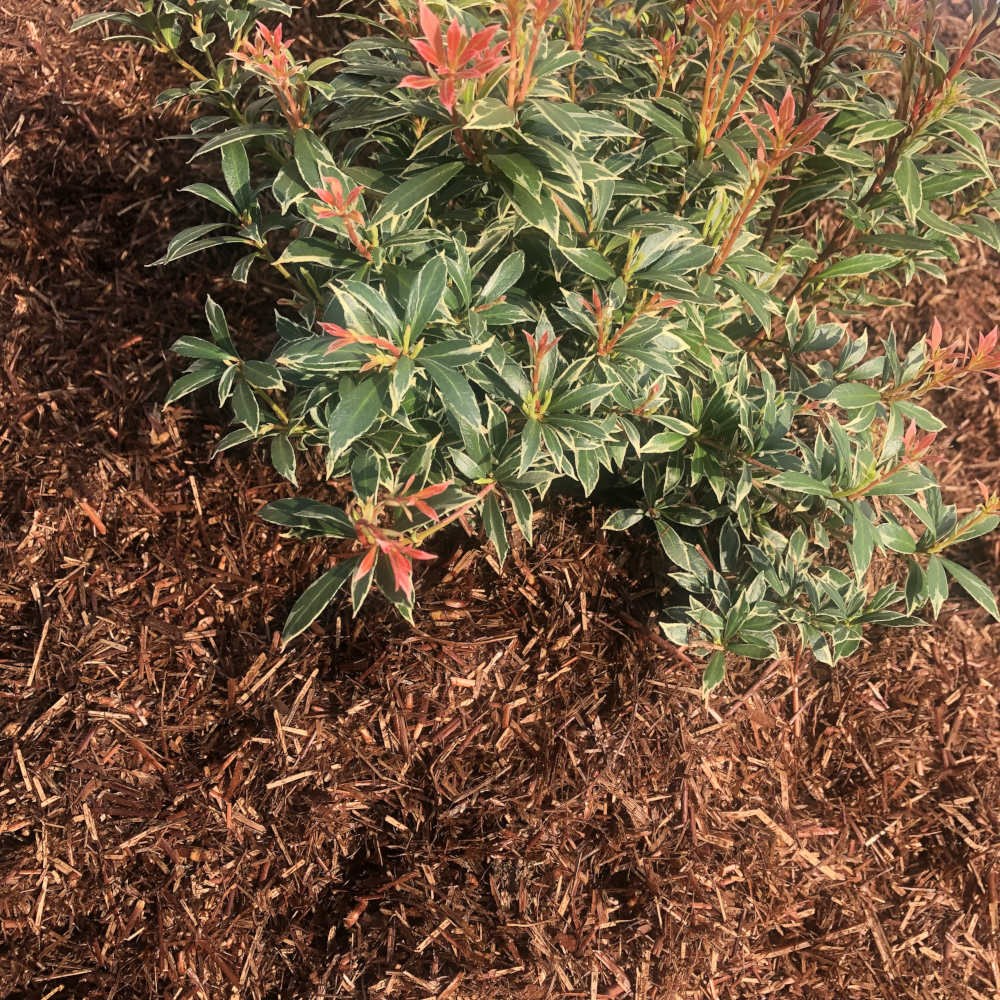
Mulching is one of the most important winter jobs — and your plants will thank you for it. Spread a layer of good-quality organic matter (like compost, bark, or well-rotted farmyard manure) around the base of shrubs, perennials, and in pots.
Mulching helps regulate soil temperature, locks in moisture, suppresses weeds, and feeds the soil as it breaks down. It’s like tucking your garden in with a warm, nourishing blanket.
Want a good alternative to animal manure then give Strulch a go. Strulch is even meant to help reduce snail and slug damage.
11. Check greenhouse seedlings and pot them on
If you’ve been raising seedlings in your greenhouse, winter is the time to check that they’re happy and healthy. Pot them on into slightly larger containers if they’ve outgrown their trays, and make sure they’re spaced out so air can circulate.
If you have sunnier spots in your greenhouse then make sure to rotate your seedlings so they all get a turn to get the sunshine.
Keep watering minimal — overwatering in cold conditions can cause rot — but do make sure they don’t dry out completely.
12. Protect Plants from Frost
As frosty nights become more frequent, it’s important to protect tender plants. Move potted plants closer to the house, where it’s warmer, or into a sheltered corner. Wrap vulnerable pots in bubble wrap or fleece, and cover delicate plants with horticultural fleece or cloches.
If you grow dahlias or cannas, lift their tubers after the first frost and store them somewhere cool and dry until spring.
13. Add Beautiful Winter Lighting
Winter might be darker, but your garden doesn’t have to be! Add some garden lighting to create atmosphere and highlight key features. Fairy lights in trees, solar lanterns along paths, or a softly glowing string of bulbs around your patio can transform your outdoor space into a cosy winter retreat.
Lighting not only looks magical but also encourages you to enjoy your garden year-round — even from indoors with a warm mug of tea.



Wrapping Up

Winter in the garden is quieter, yes — but never empty. It’s a season for tending, tidying, planning, and protecting. Every job you do now lays the groundwork for spring’s explosion of colour and life.
So, wrap up warm, grab your gloves, and spend a little time outdoors — your garden will thank you for it, and you’ll start the new year with a head start and a happy heart.
Sophie x

Unlock a world of gardening inspiration with the Primrose Garden Club!
Enjoy free downloadable planners, expert guides, and tailored advice delivered straight to your inbox. Plus, exclusive member discounts, exciting competitions, and much more await.