WRITTEN BY SOPHIE VALENTINE
Creating a cottage garden is one of the most joyful and achievable styles for beginner gardeners. It’s relaxed, informal and full of personality, there are no strict rules, and that’s exactly what makes it so appealing. A cottage garden is all about abundant planting, soft structure and a slightly wild, romantic feel, where flowers spill into pathways and different plants happily grow together.
If you have a sunny garden and want something that feels welcoming, colourful and full of life, a cottage garden is the perfect place to start. Here are five simple ways to create your own cottage garden, even if you’re just beginning your gardening journey.
1. Start with the purpose of your garden
Before you begin planting, take a moment to think about how you want to use and enjoy your space. Cottage gardens aren’t just about plants, they’re about creating a place to enjoy.
Ask yourself:
• A quiet corner to relax and unwind?
• Do you want somewhere peaceful to sit with a cup of tea?
• A space to entertain friends and family?
Once you know the purpose, you can choose the right seating.
This might be:
• A table and chairs for outdoor dining
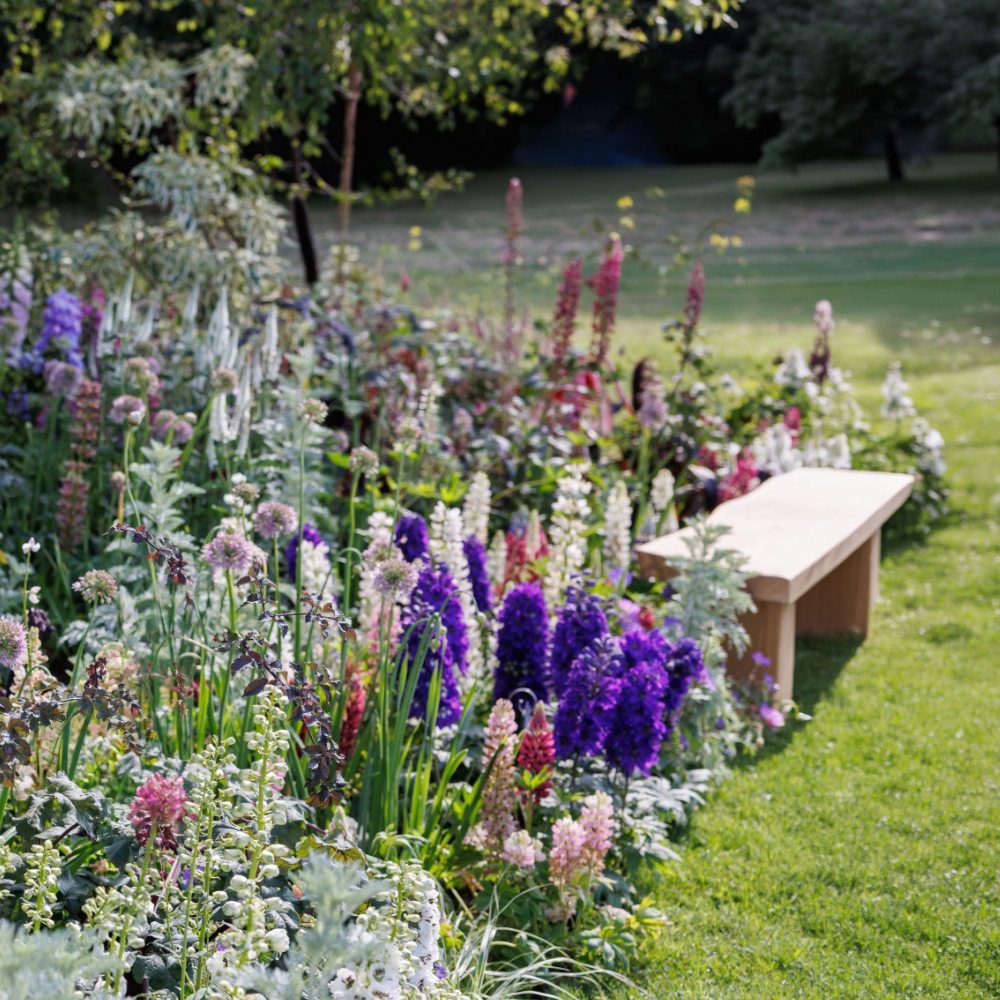
• A simple wooden bench tucked into a border
• A pretty bistro set for morning coffee
Placing seating within or beside your planting helps you feel surrounded by the garden, which is exactly what a cottage garden is all about.
2. Add vertical interest
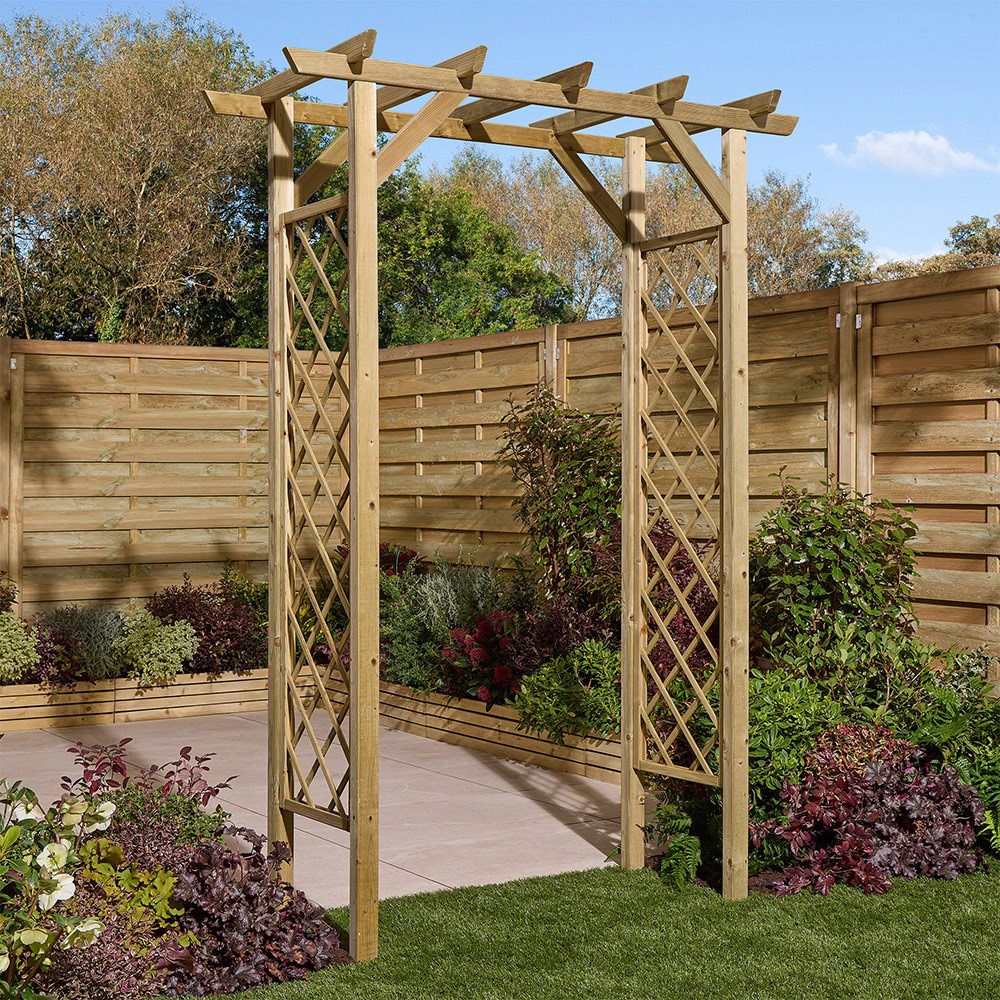
Cottage gardens really come to life when you add height and structure. Vertical features help draw the eye upward and create that layered, full look.
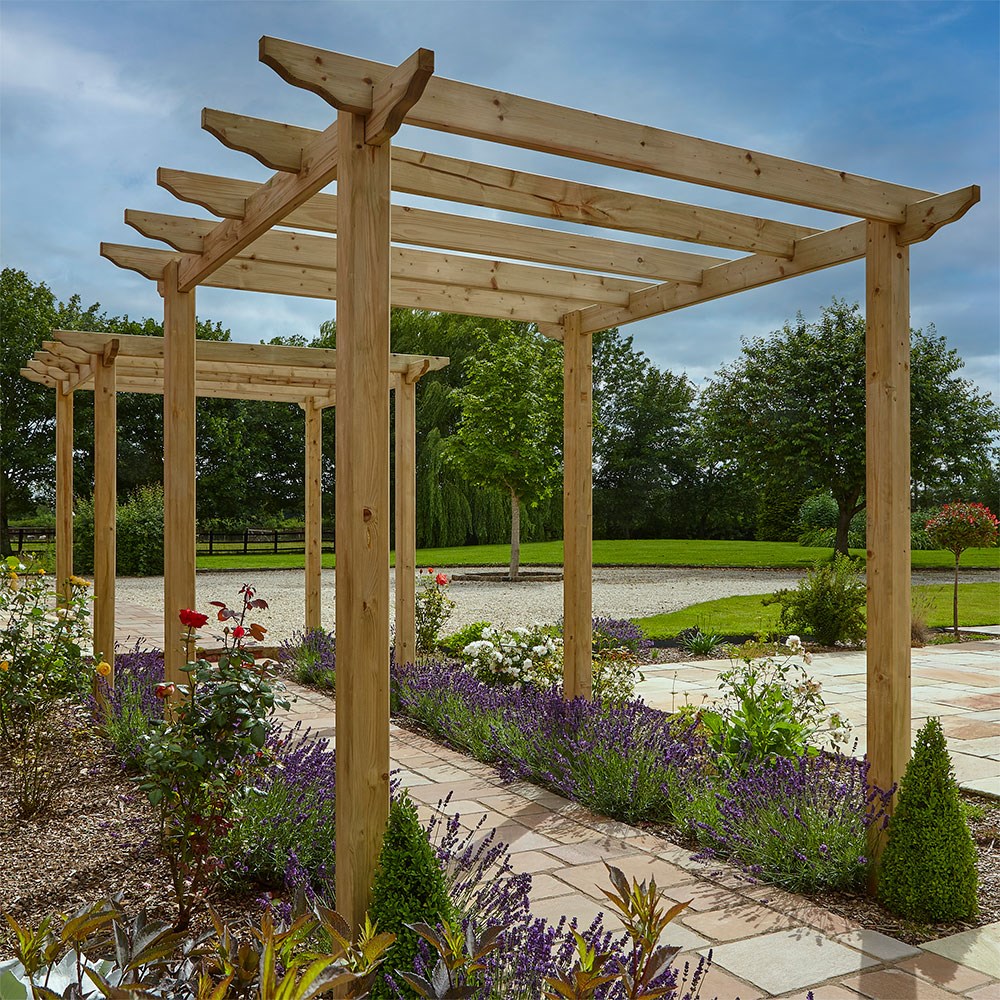
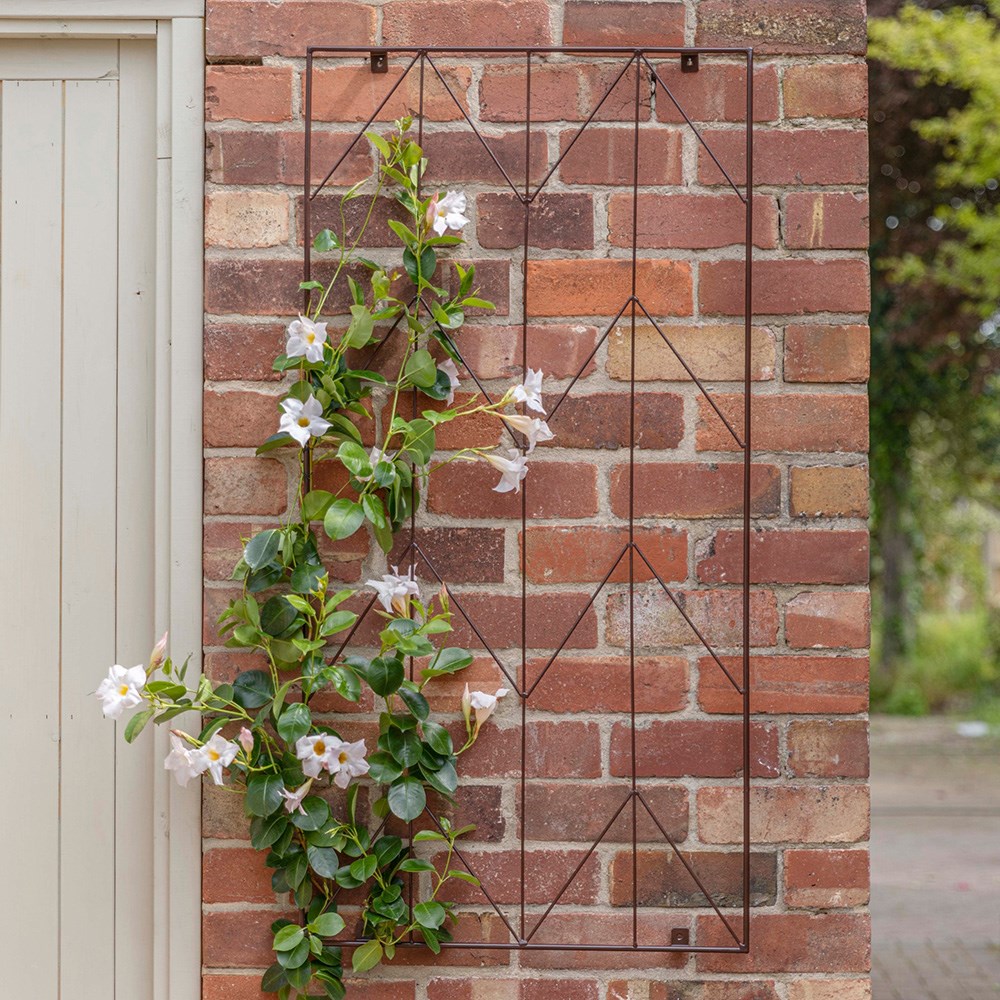
Structures such as pergolas, arches, and trellises are perfect for growing climbers like roses and clematis, which are classic cottage garden plants. They provide months of flowers and help soften fences and seating areas beautifully.
Over time, these climbers will cover structures and create a truly magical, enclosed feel.
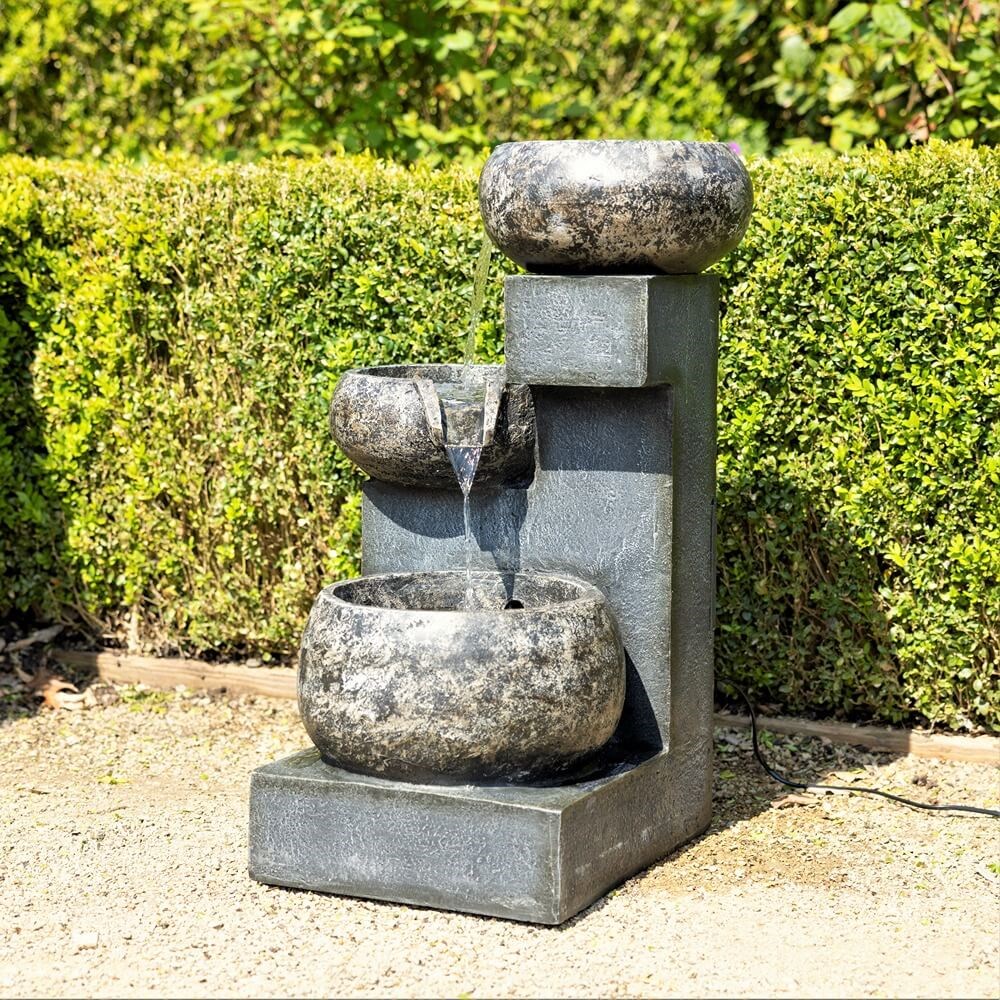
3. Introduce water for a calm, relaxing feel
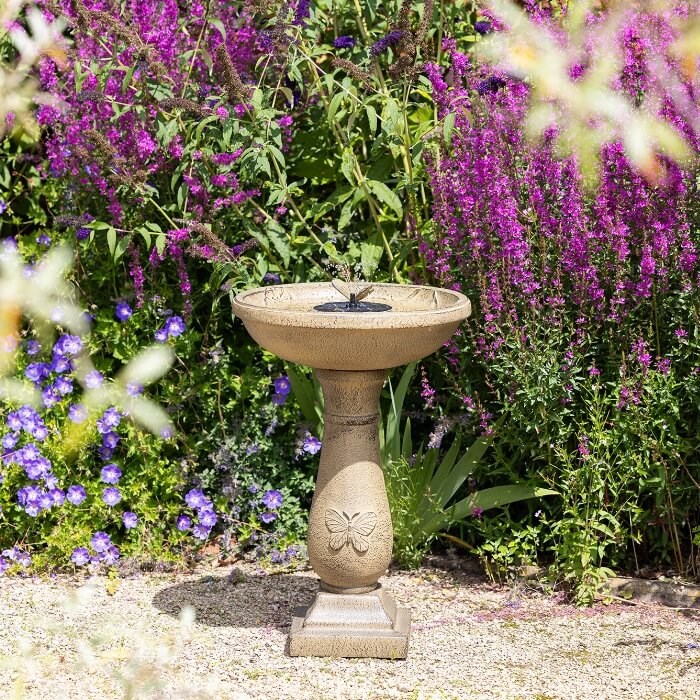
Water is a wonderful addition to any garden, but it works especially well in a cottage garden where the aim is to create a peaceful, natural space.
You don’t need anything large or complicated.
Simple ideas include:
• A small water feature
• A rustic bowl with water
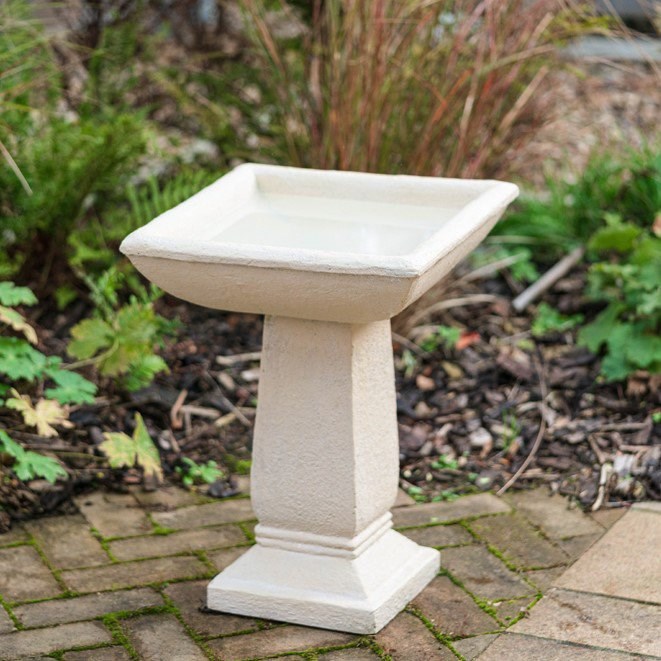
• A bird bath
Not only does water add a calming sound, but it also attracts wildlife.

4. Use obelisks and plant supports
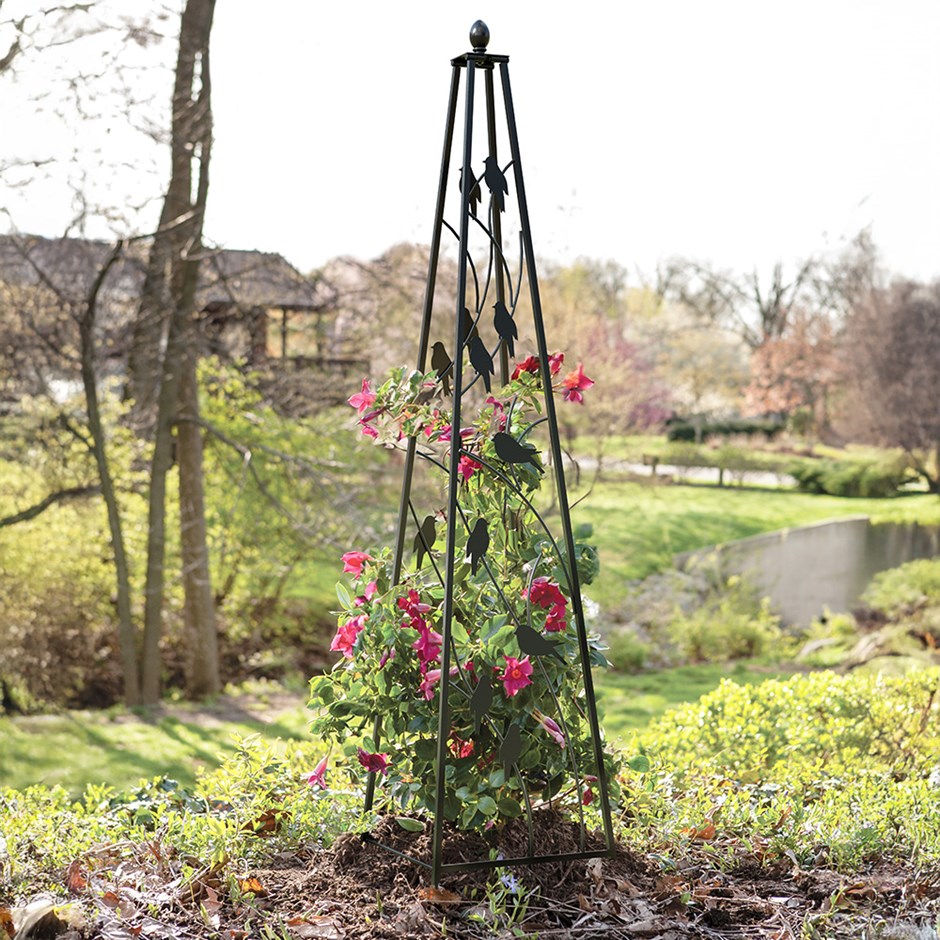
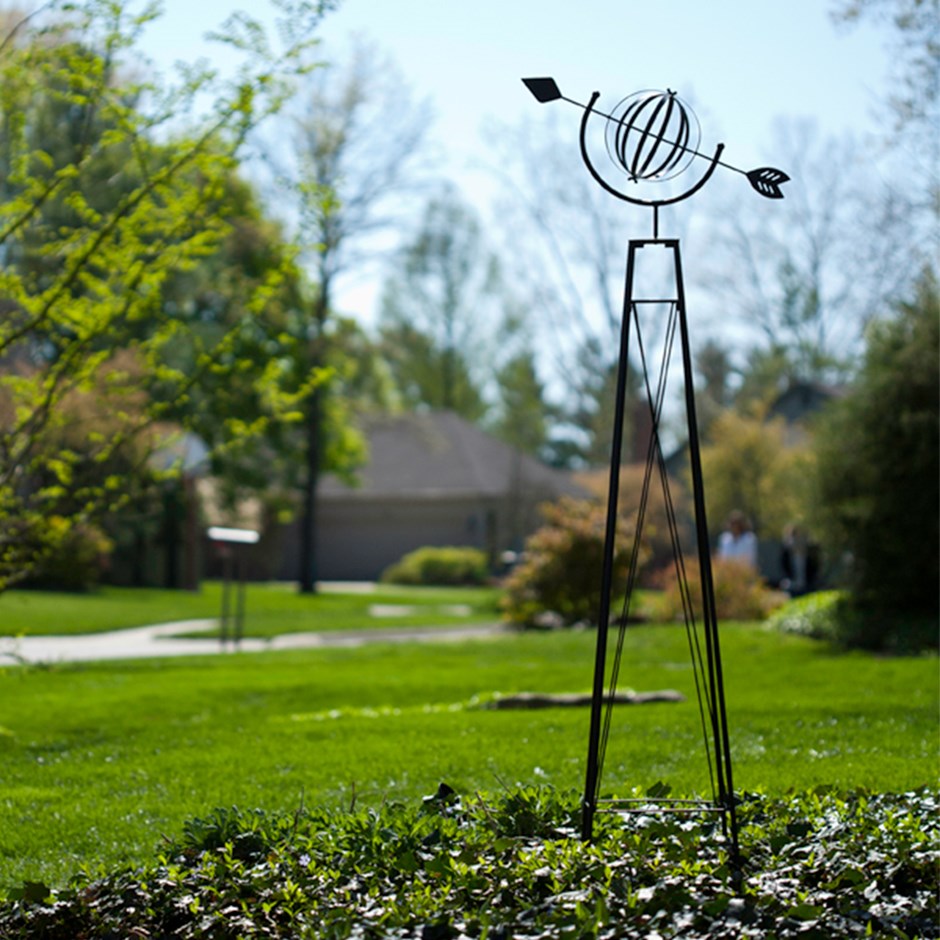
If you want to add instant interest to your borders, obelisks and plant supports are a fantastic and beginner-friendly option to give your borders something extra to look at.
They:
• Add height quickly
• Create a focal point
• Support climbing plants
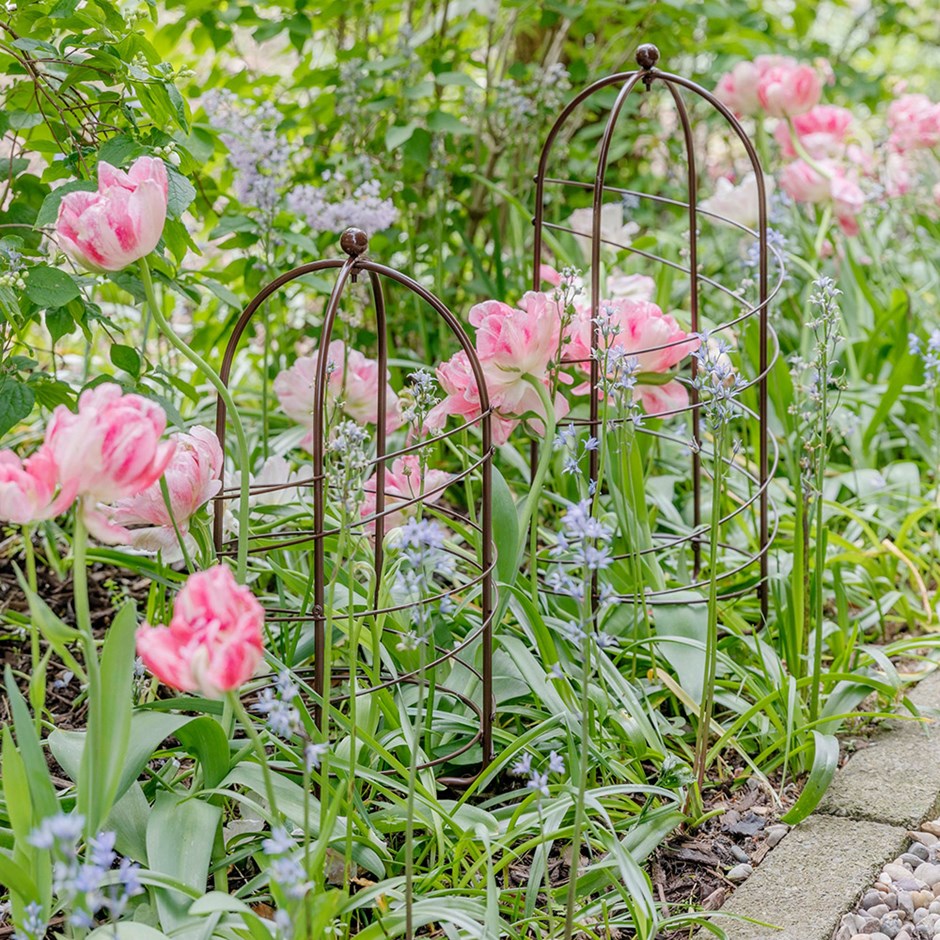
• Support perennials that need to stay upright
Obelisks can be placed within your borders to grow climbing plants or roses up and over them. As the plants mature, they soften the structure and add even more flowers to your garden.
Plant supports can be added over the top of your plants and your plants will grow through them. They’re a simple way to give your borders that layered, cottage garden look without needing lots of space.
5. Add planters for charm and flexibility
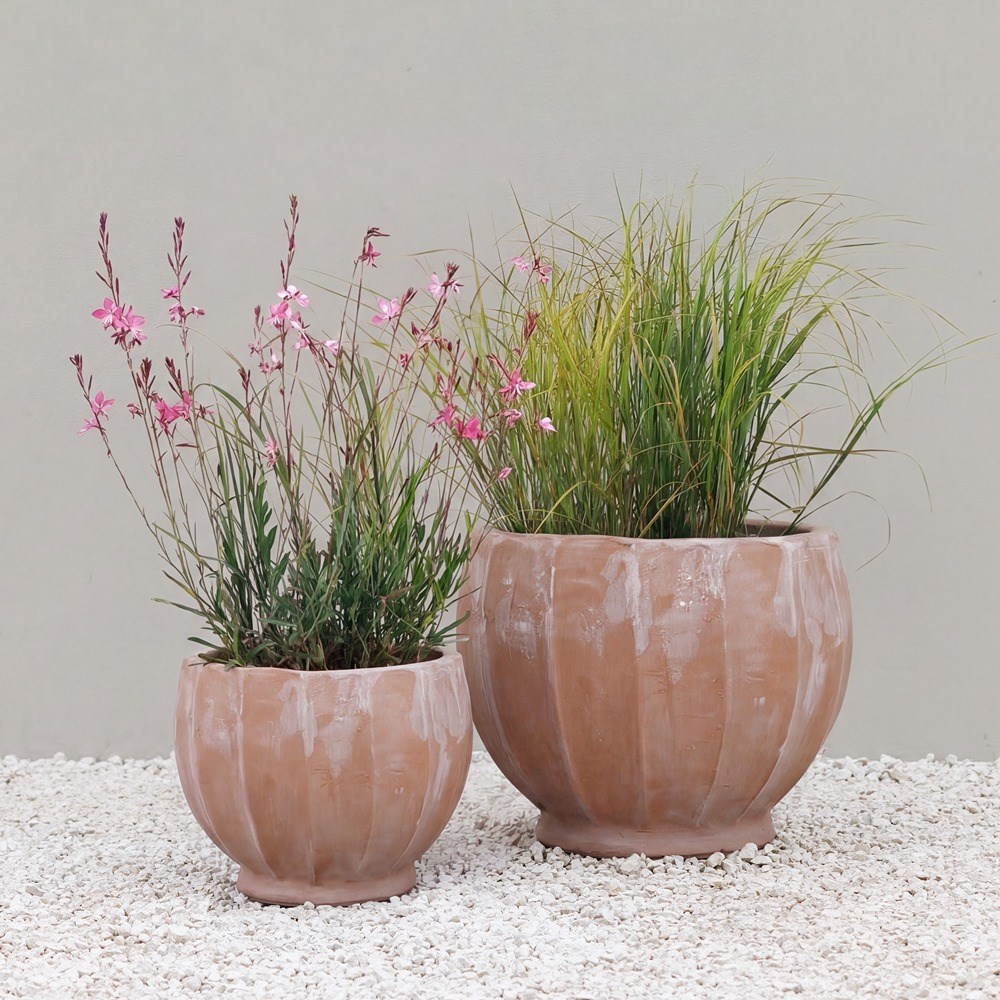
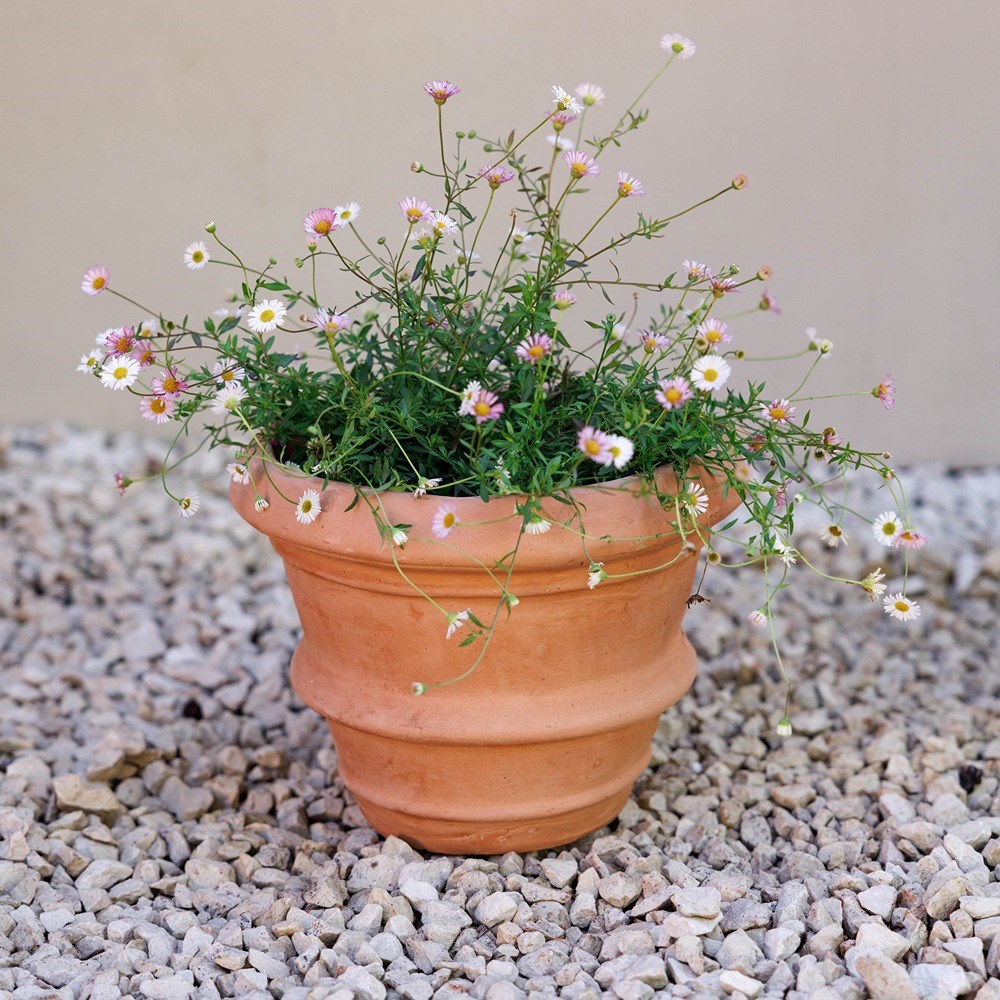
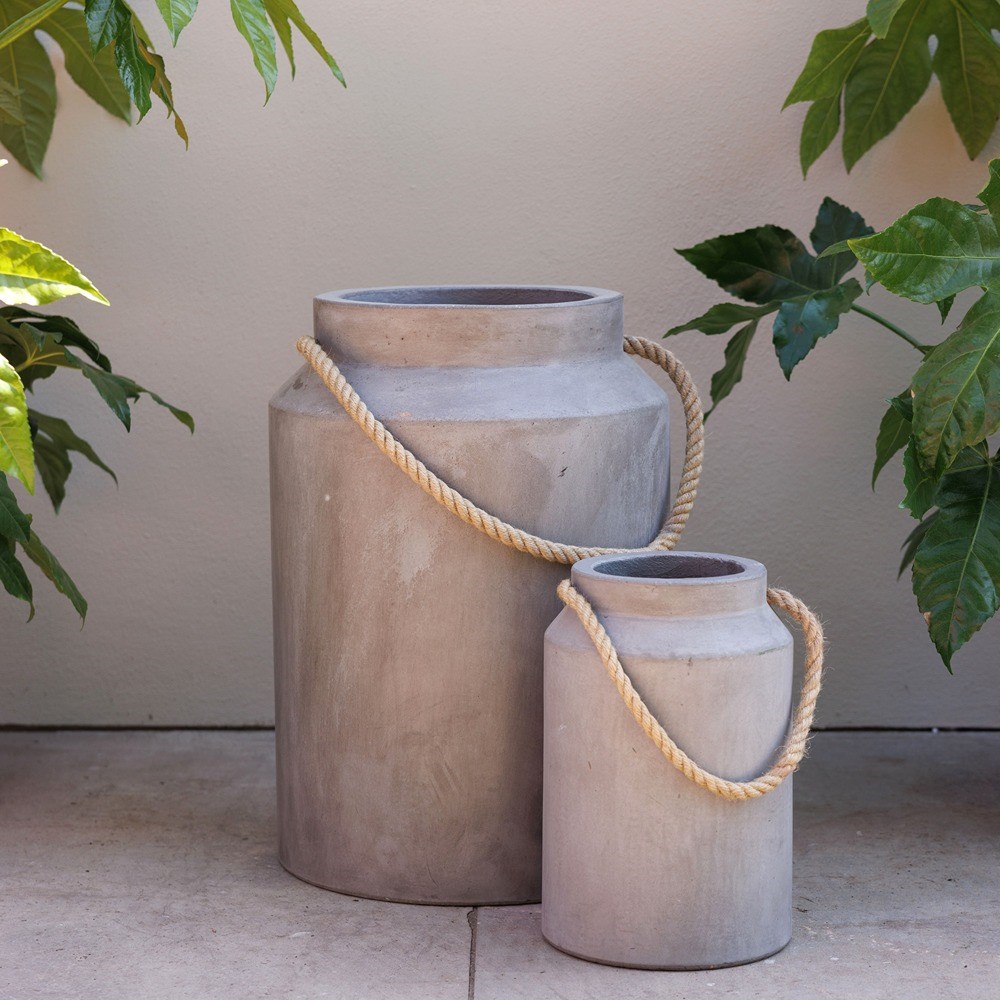
Planters are one of the easiest ways to add charm to your cottage garden, and they’re perfect if you’re gardening on a budget or still experimenting with your layout.
They:
• Placing pots next to a bench
• Grouping a cluster of pots near a seating area
• Adding large containers to patios or pathways
Pots allow you to move plants around, fill gaps and add colour wherever it’s needed. They also help create that relaxed, slightly overflowing cottage garden feel.
Plants I wouldn’t be without in a cottage garden
If you’re not sure where to start with planting, here are five reliable and beautiful choices that work wonderfully in a cottage garden.
Pots allow you to move plants around, fill gaps and add colour wherever it’s needed. They also help create that relaxed, slightly overflowing cottage garden feel.
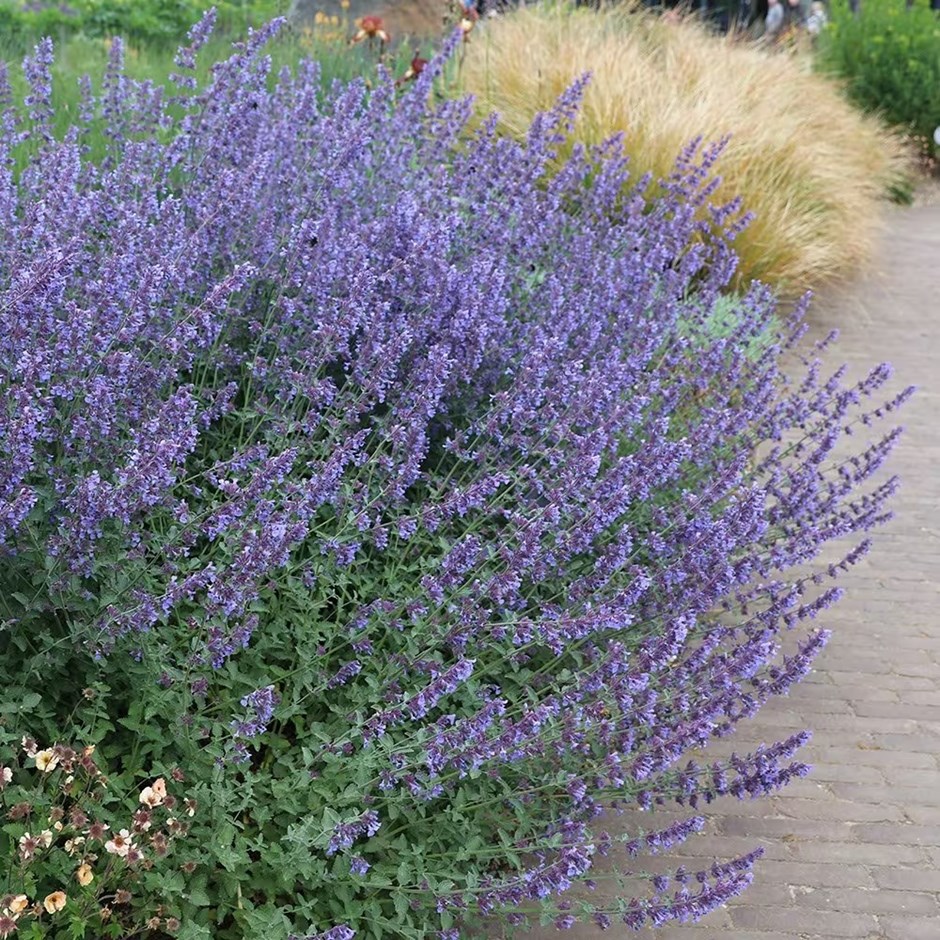
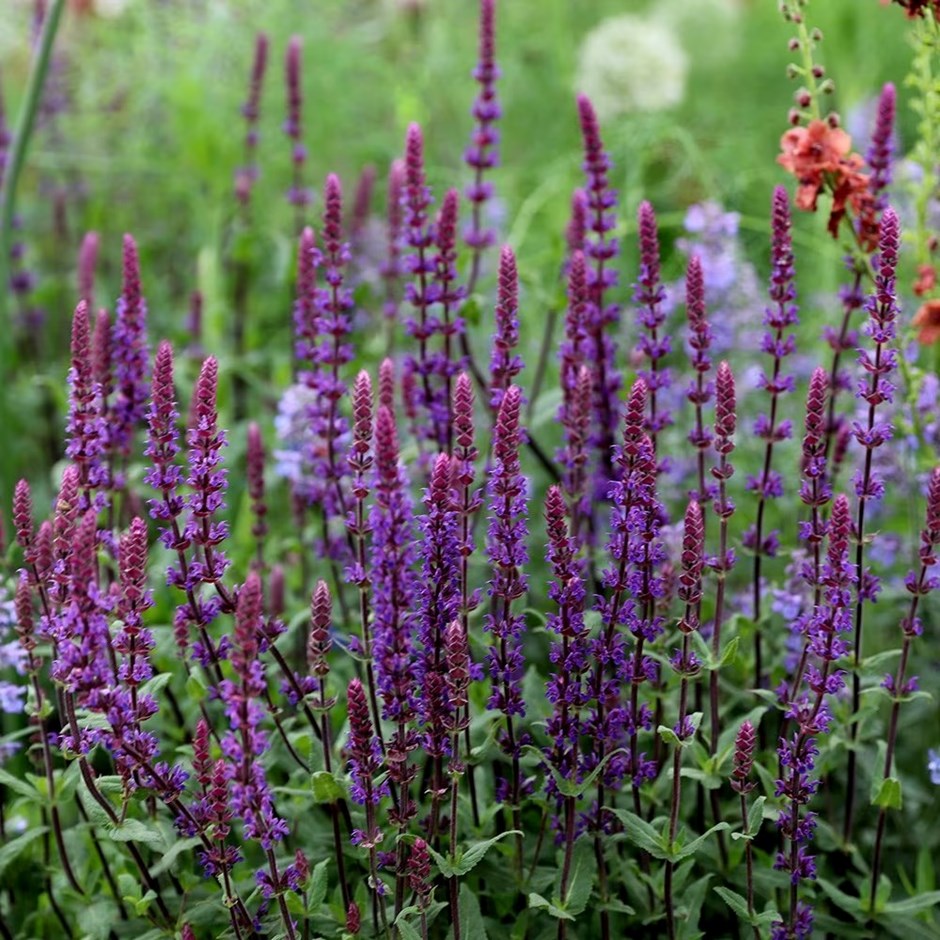
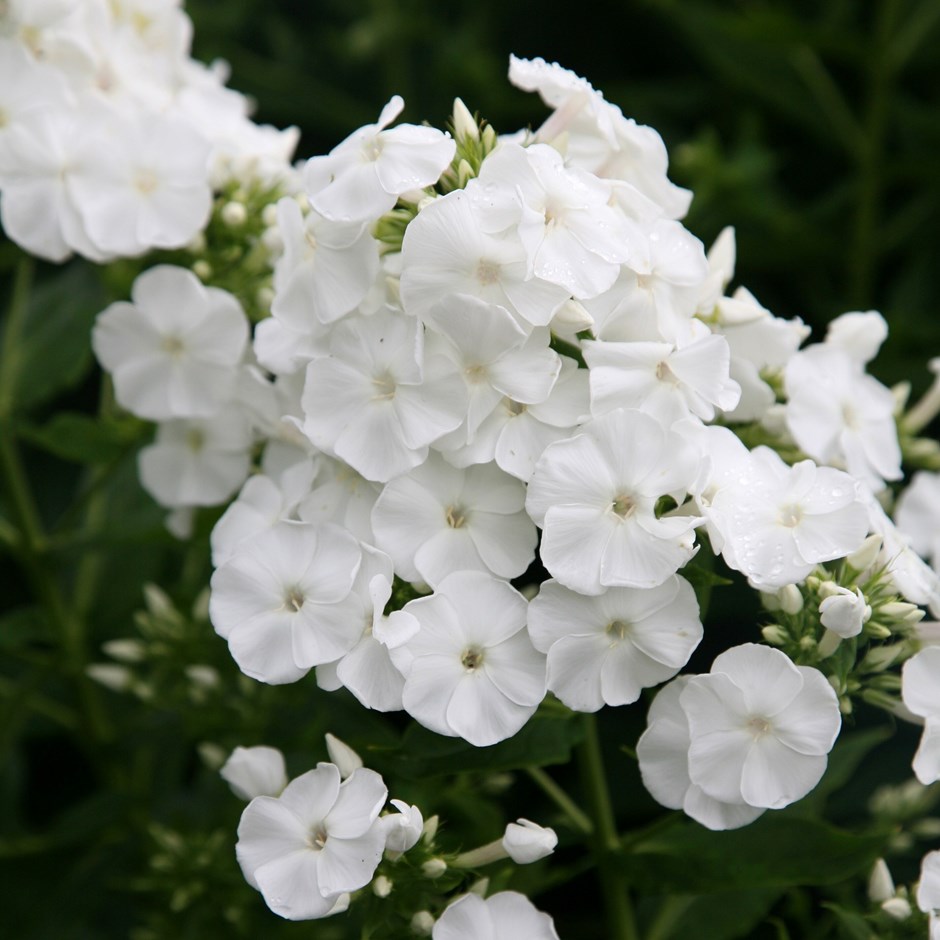
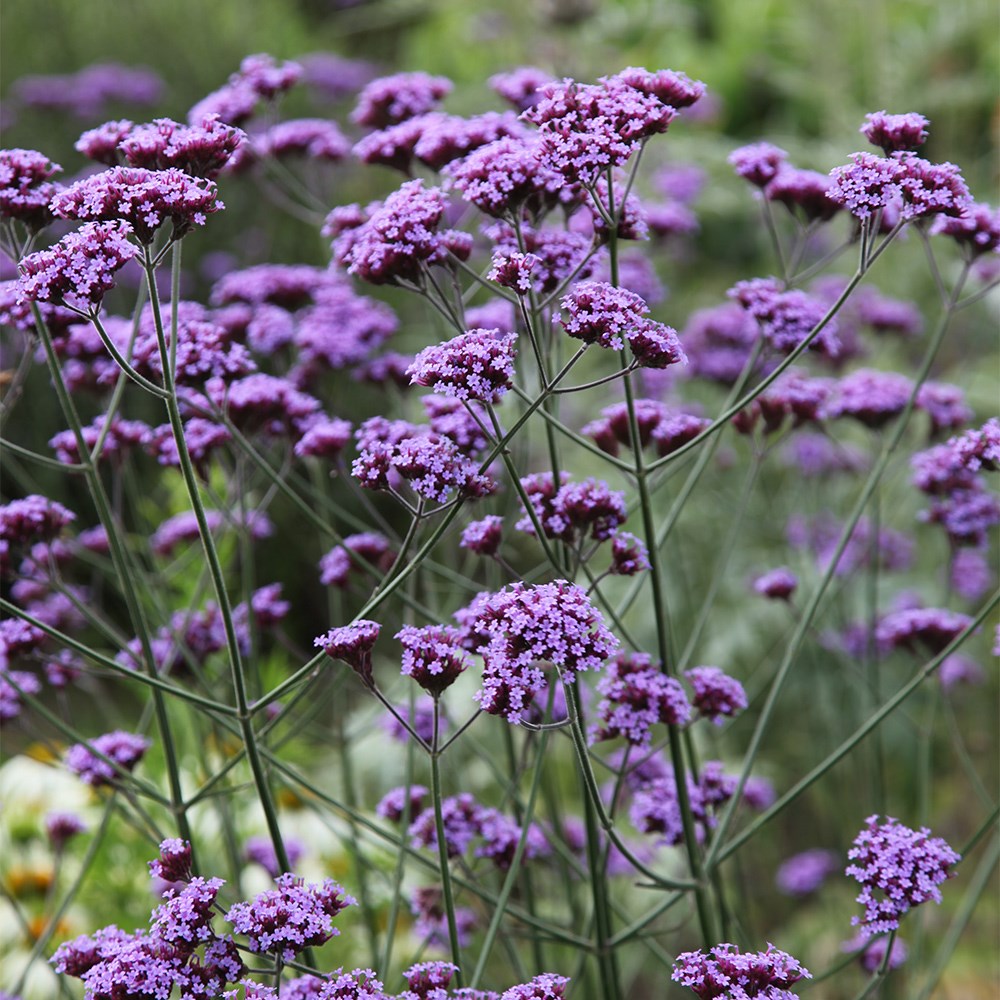
A tall, airy plant perfect for the back of borders, adding height without blocking light.
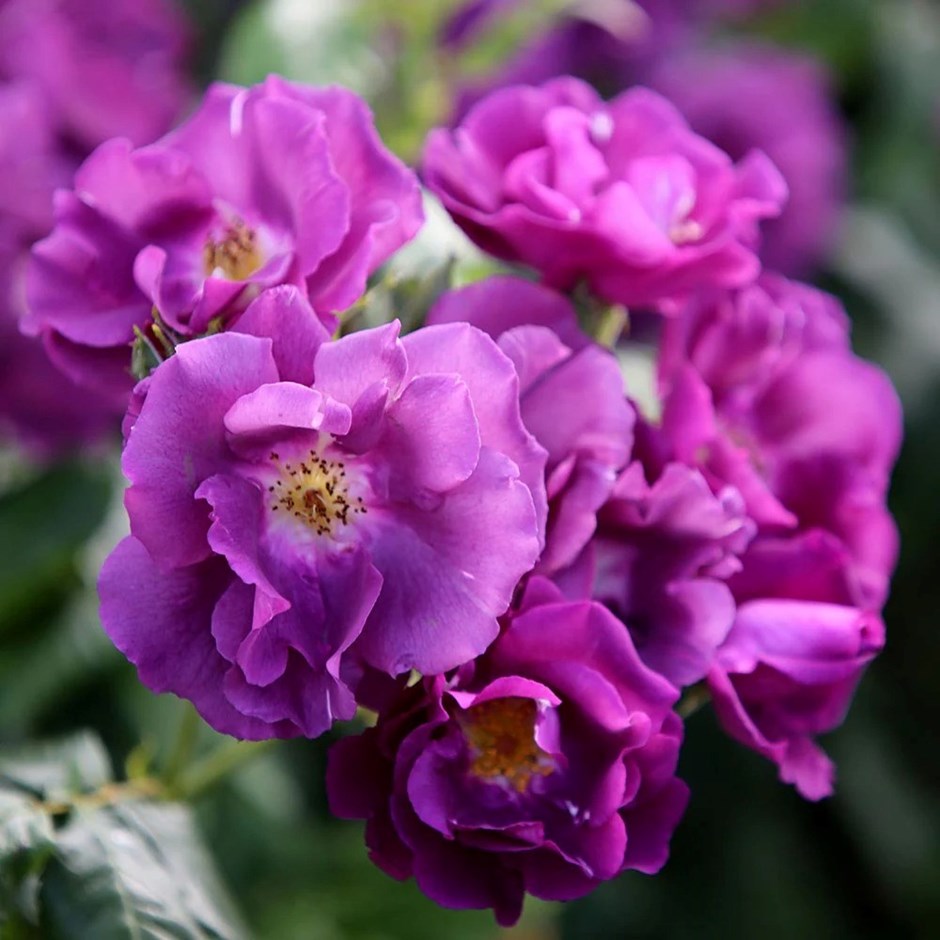
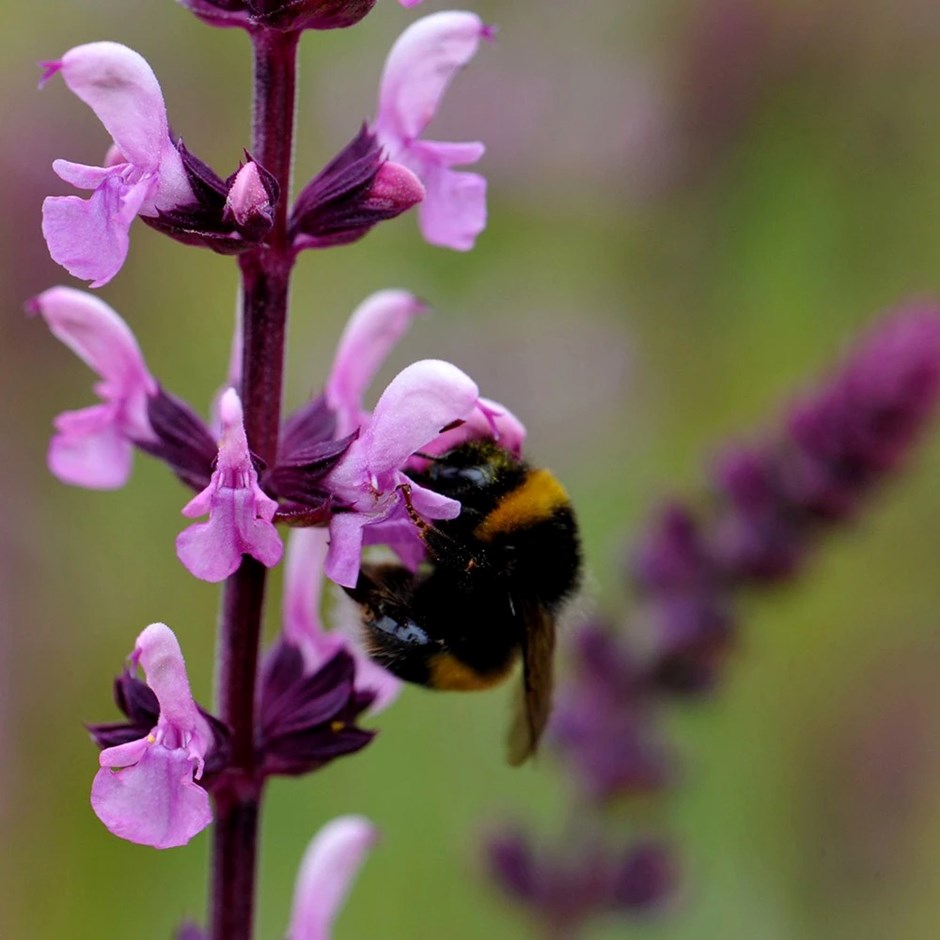
Birds, bees and insects will all benefit, helping your garden feel alive and connected to nature.
Final thoughts from Sophie

A cottage garden is one of the most forgiving and enjoyable styles you can create. It doesn’t need to be perfect, in fact, the beauty is in its relaxed, slightly wild nature.
Start small, add elements over time, and most importantly, choose plants and features that you love. With a little planning and creativity, you can create a garden that feels full, colourful and completely your own.
And remember, gardening is a journey. Your cottage garden will grow and evolve with you.
Sophie x