WRITTEN BY SOPHIE VALENTINE
A beginner-friendly guide to designing a garden for any budget
Starting a garden can feel overwhelming, especially if you’re looking at a blank space (or a messy one) and wondering where on earth to begin. The good news is that you don’t need a perfect plan, a huge budget, or years of experience to create a garden you love.By breaking the process down into a few key steps, you can make thoughtful decisions that will save you time, money, and frustration later on. This guide walks you through five simple but powerful steps that will help you create a garden that works for you. Remember, gardens are always evolving, and sometimes the hardest step is just getting started.
1. Aspect | Knowing which way your garden faces
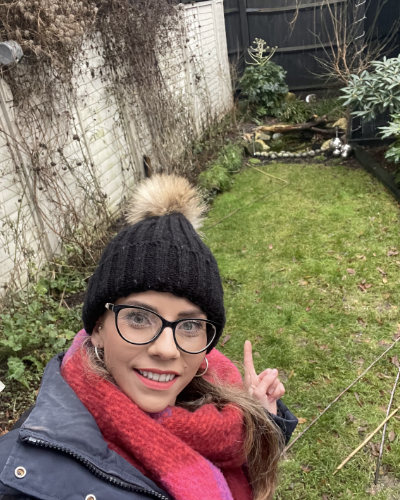
Before you buy a single plant, the most important thing you can do is understand your garden’s aspect — in other words, which direction it faces and where the sun falls.
A really easy way to do this is to:
- • Use a compass (or your phone)
- • Stand with the compass pointing towards the back of your garden
- • This tells you whether your garden is north, south, east or west facing
Once you know the overall aspect, take a few minutes to walk around your garden at different times of day. Stand in different spots and notice:
• Where the sun hits in the morning
• Which areas stay shaded
• Where the sun lingers in the evening
You’ll often find that even small gardens have a mix of sunny, semi-shaded and shaded areas. Knowing this makes choosing plants much easier and helps them thrive instead of struggle. It is best to really do this in the summer, but even in winter, you can become more familiar with your garden, and you might have summer pictures of your garden to look back on and to remind you where your sunny and shady spots were.Aspect isn’t about limiting what you can grow — it’s about helping you put the right plants in the right place.
2. Purpose | Deciding what you want from your garden
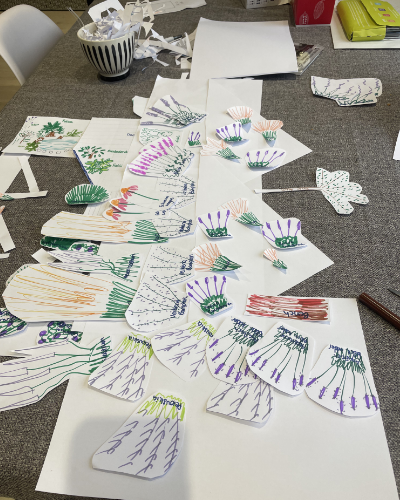
Next, think about the purpose of your garden. This step is often skipped, but it’s one of the most important.
Ask yourself:
- • Do I want a place to eat and entertain?
- • Do I need space for children to play?
- • Would I love a cut-flower garden?
- • Do I want to grow food?
- • Do I need space for pets to run around?
- • Would I love a sunny morning spot for a cup of tea?
There’s no right or wrong answer — and your garden can have more than one purpose. What matters is being honest about how you want to use the space most of the time, not just on special occasions.
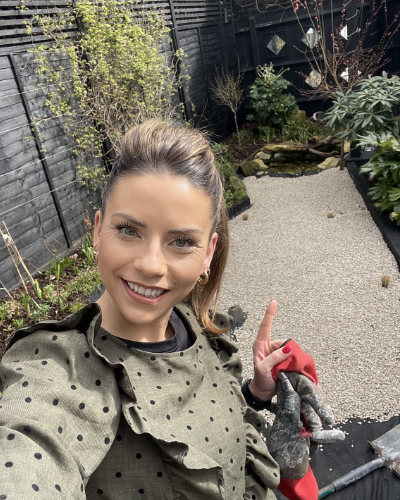
For example, although I love growing flowers and I utilise all the sunny spots in my garden, when it comes to family time and eating and relaxing we prefer to sit out of direct sun. In shadier spots, I make sure to allow space for seating and dining.
When you design with purpose in mind, your garden becomes more enjoyable and much more practical. Just like any garden, as you move through different phases of life the purpose of your garden might change, and that’s how gardens are always evolving with us.
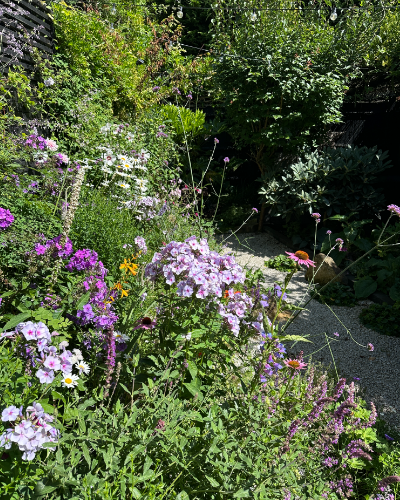
3. Zones | Breaking the garden into usable areas
Zoning is simply about dividing your garden into different areas, each with its own job.
If you’re working on a budget, this is where you can be really clever. Instead of ripping everything out, work with what you already have. Existing patios, paths and hard landscaping can often be adapted rather than replaced.
Even small gardens can have zones, for example:
- • A seating or dining area
- • A small space for growing flowers or vegetables
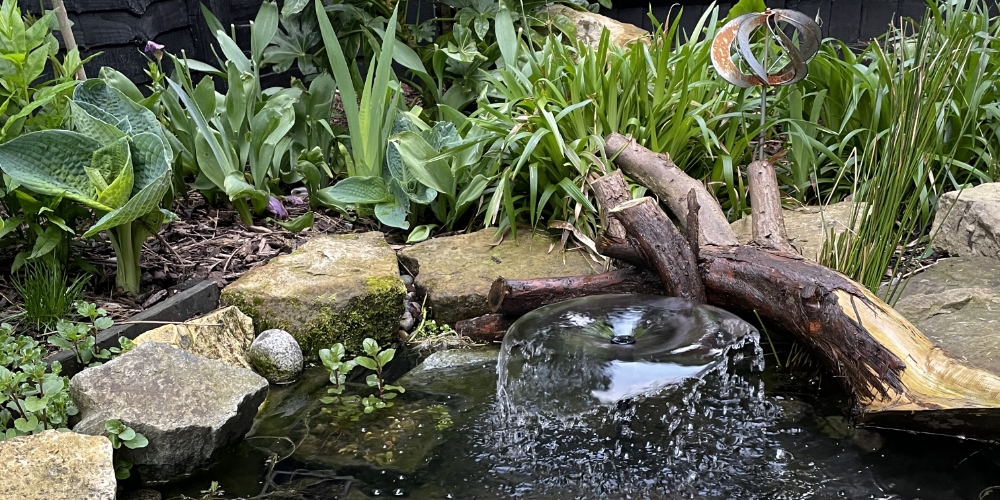
- • A quiet corner for wildlife, perhaps with a pond
- • A sunny or shaded seating spot, depending on the time of day
Zoning helps your garden feel more interesting and intentional. It also makes the space feel larger, because your eye is encouraged to move around rather than taking everything in at once.
Think about using pergolas, fencing and screening to separate these zones. This is also a great way to add privacy to these zones.
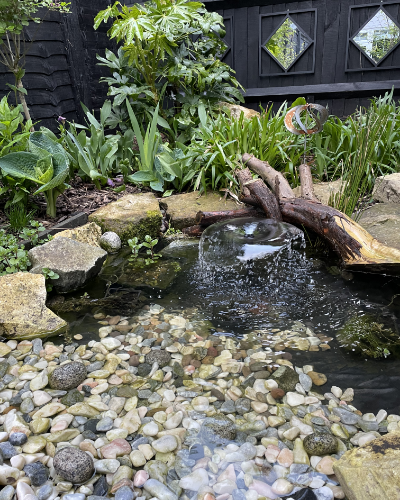

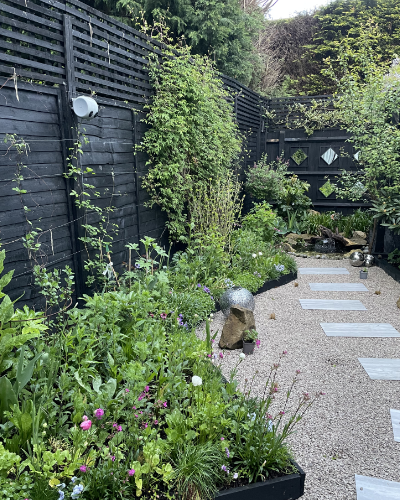
4. Borders | Adding planting and softness
Borders are where a garden really comes to life. They can be any size, in any location, and they make an enormous difference.
Borders can be added:
- • Along fences or hedges
- • Around patios and seating areas
- • Beneath younger trees, provided there is sufficient soil depth and plant choices reflect shade-tolerant or woodland species
- • At the edges of lawns
- • Even as small pockets of planting in awkward corners
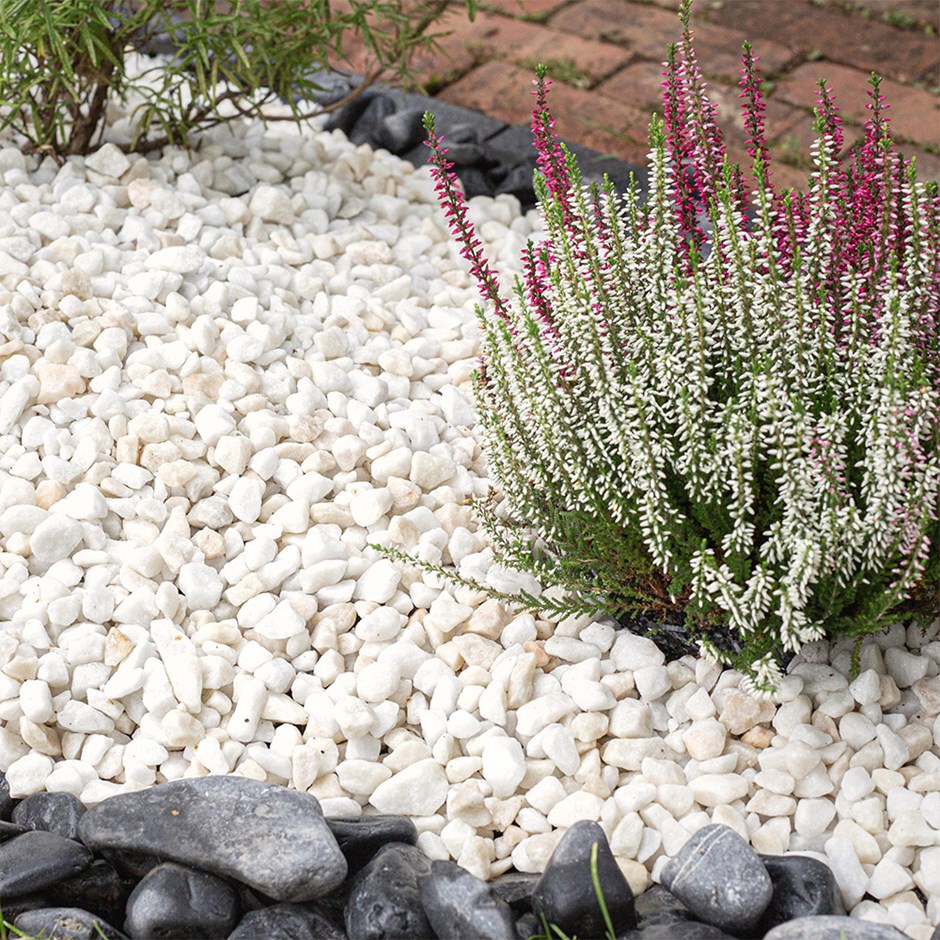
Many people worry about “losing lawn space”, but adding borders can completely transform how a garden looks and feels. Even a narrow border can soften hard edges and add colour, texture and interest.
Before planting, take time to look at your soil:
- • Is it heavy clay or light and sandy?
- • Does it drain well?
- • Would it benefit from compost or organic matter?
Improving soil is one of the best investments you can make. Healthy soil leads to healthier plants, fewer problems, and a garden that’s easier to care for. Simply adding a nice, generous layer of organic matter and mulching your borders can really change the structure of your soil, and it’s easy to do.
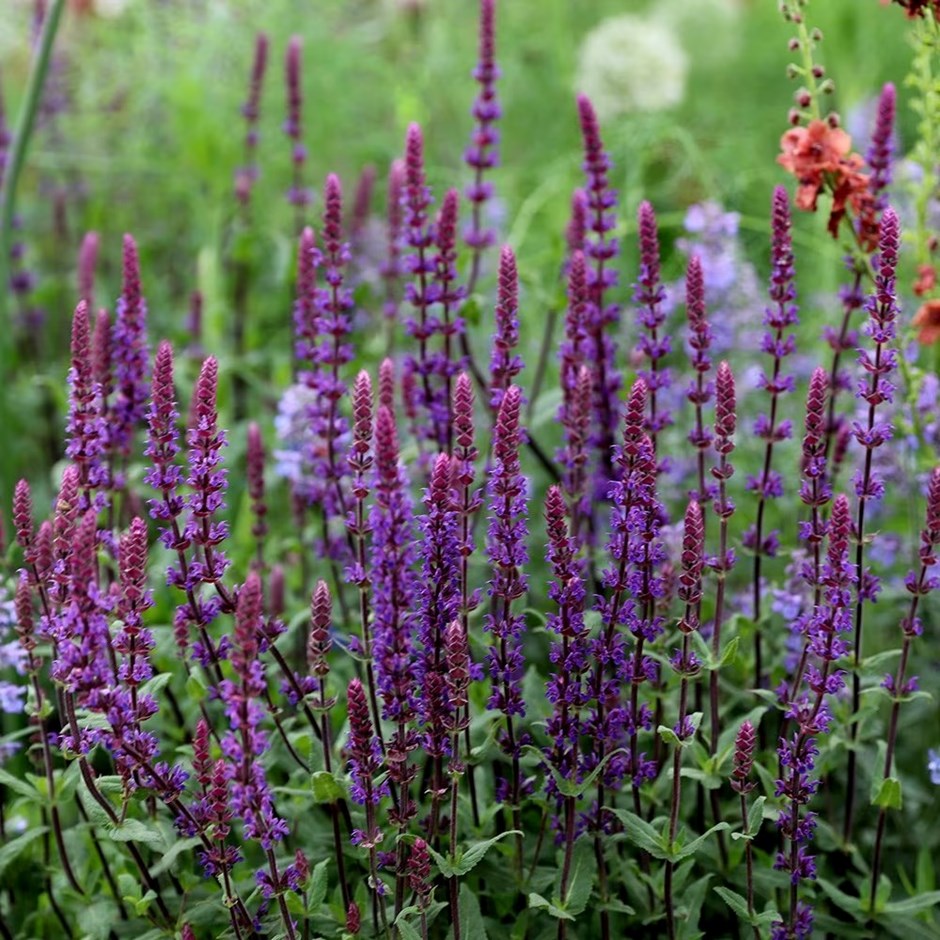
5. Structure | Creating the backbone of your garden
Structure is what gives your garden shape and interest all year round. Think of it as the backbone from which everything else grows.
Structure can come from:
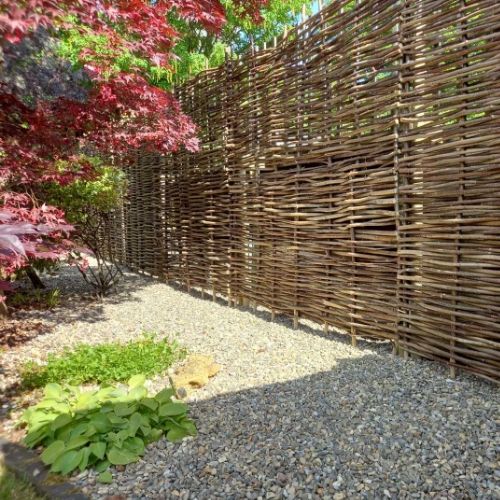
- • Pergolas, arches and trellis
- • Fencing or screening
- • Pathways that create a journey through the garden
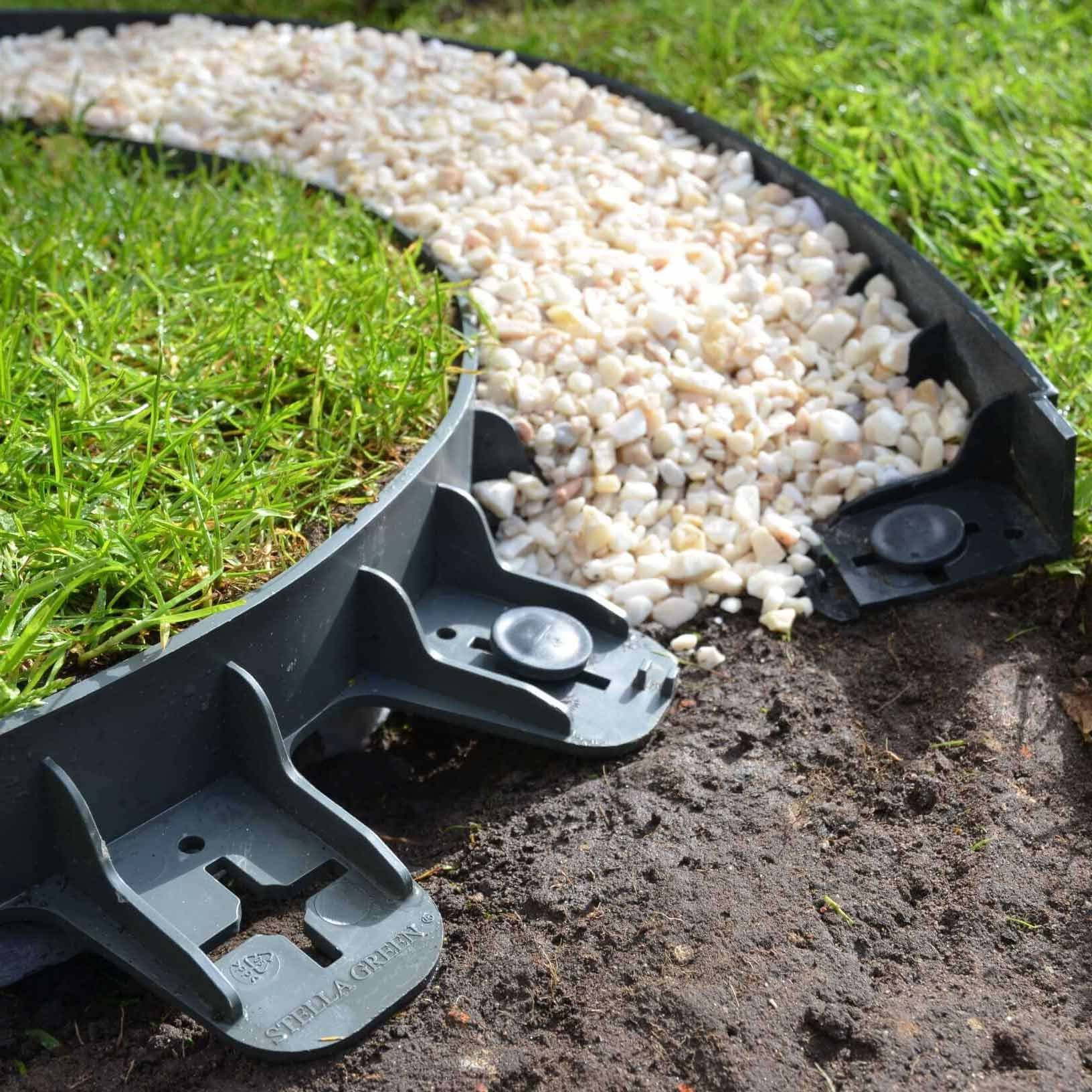
- • Raised beds or edging
It also comes from planting:
- • Trees (even in pots)
- • Shrubs
- • Evergreen plants
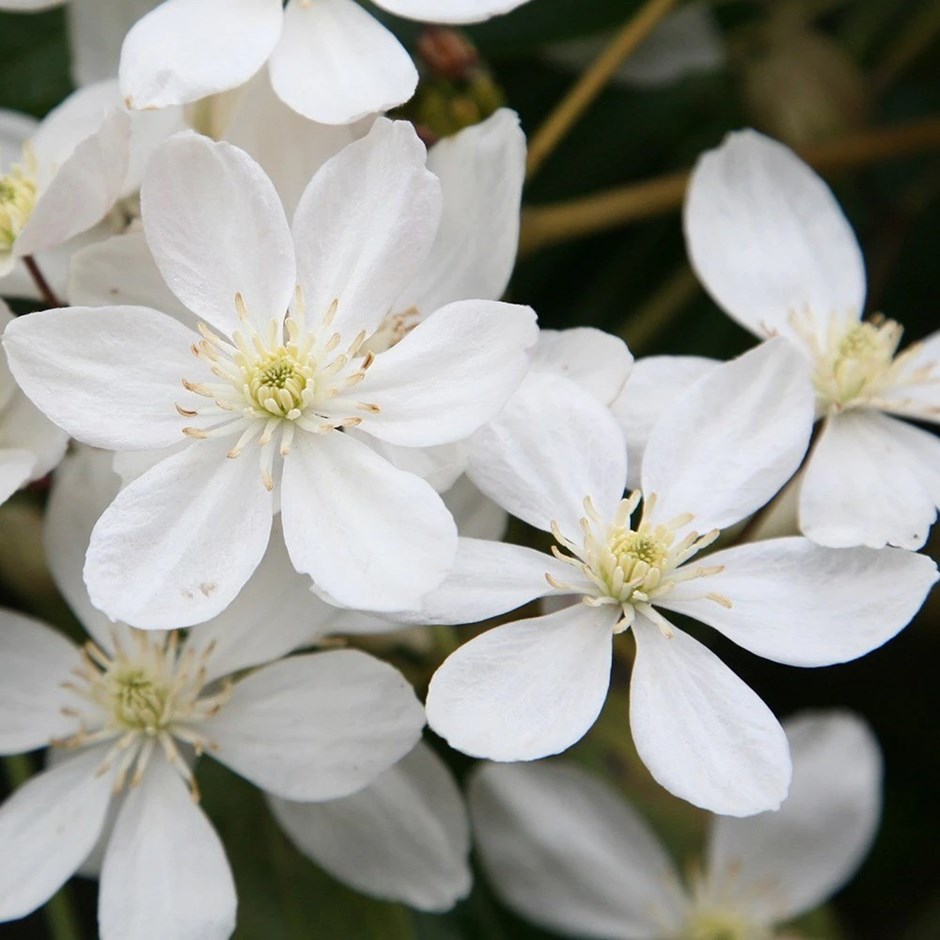
- • Vertical interest like climbers
These elements give your garden presence in winter and help frame seasonal planting in spring and summer. Once structure is in place, everything else becomes easier to add over time.
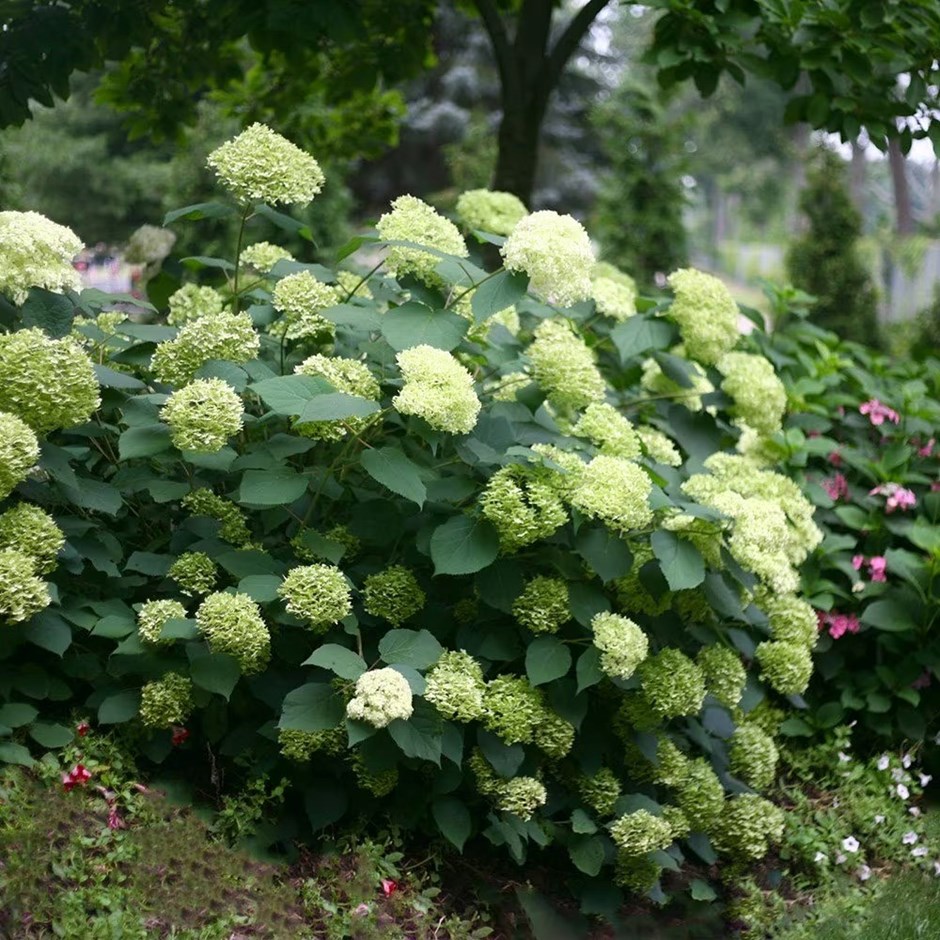
Bringing it all together
By working through Aspect, Purpose, Zones, Borders and Structure, you create a clear framework for your garden. This turns an overwhelming blank canvas into a space that feels manageable, flexible and full of potential.
Wrapping Up

You don’t need to do everything at once. Gardens are built over time — and that’s part of the joy. Start with understanding your space, make thoughtful choices, and let your garden grow with you.Your garden doesn’t need to be perfect. It just needs to be yours and you just need to make a start.
Sophie x

Unlock a world of gardening inspiration with the Primrose Garden Club!
Enjoy free downloadable planners, expert guides, and tailored advice delivered straight to your inbox. Plus, exclusive member discounts, exciting competitions, and much more await.